
Last updated November 16, 2026
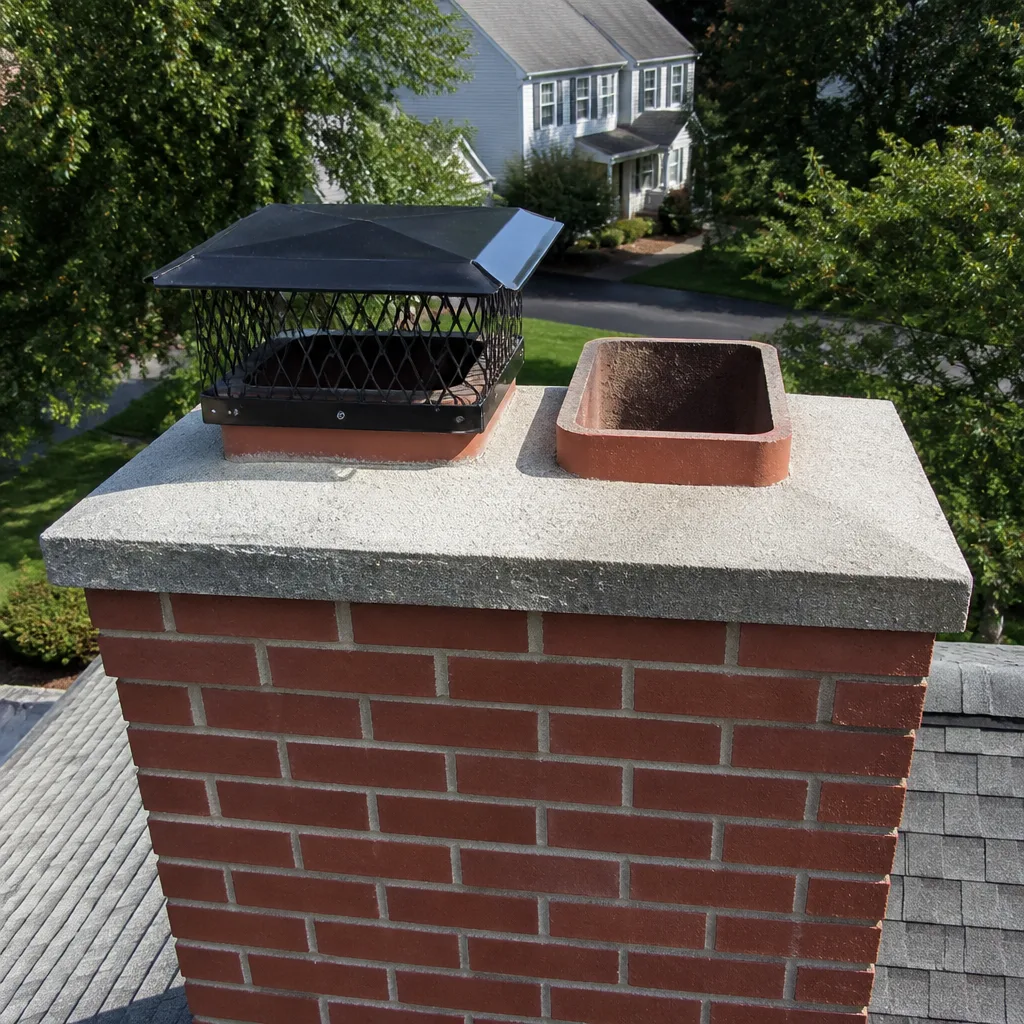 Sweep & inspection
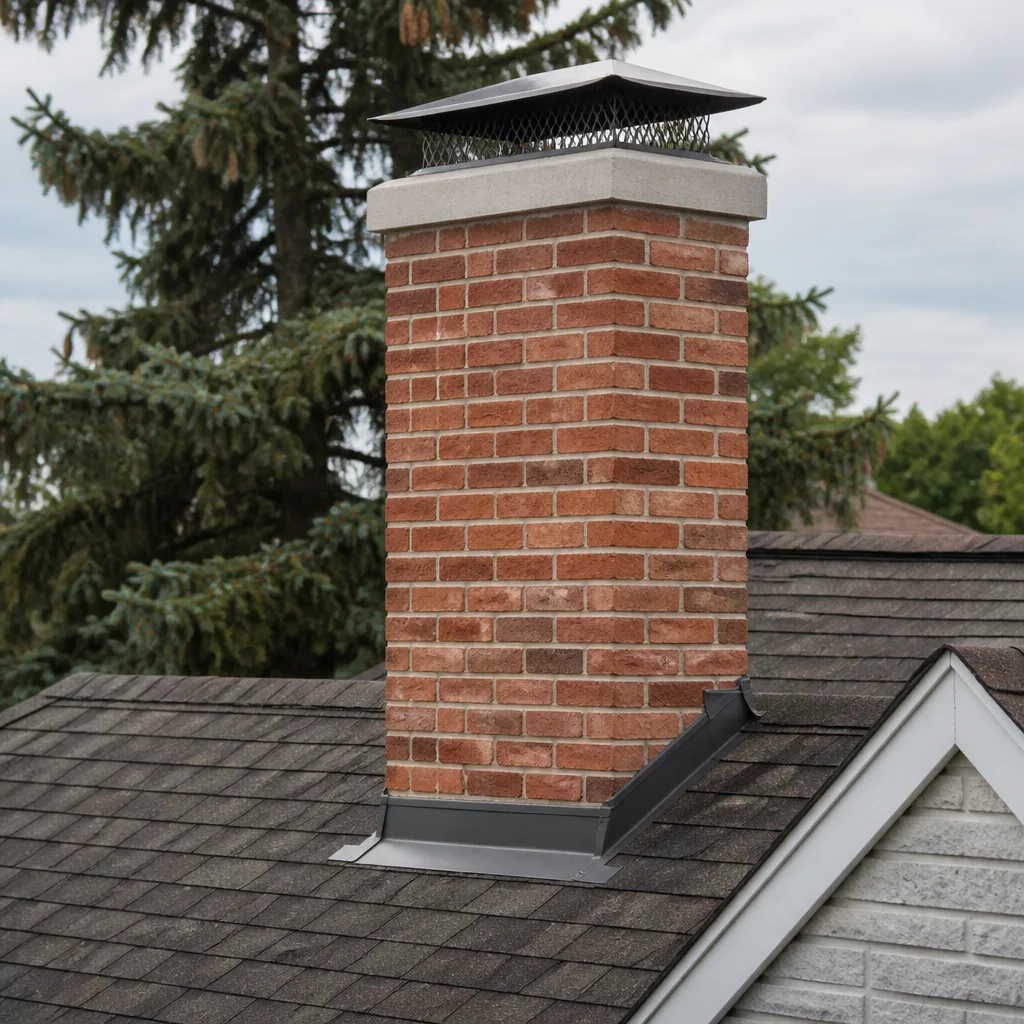 Caps & crowns
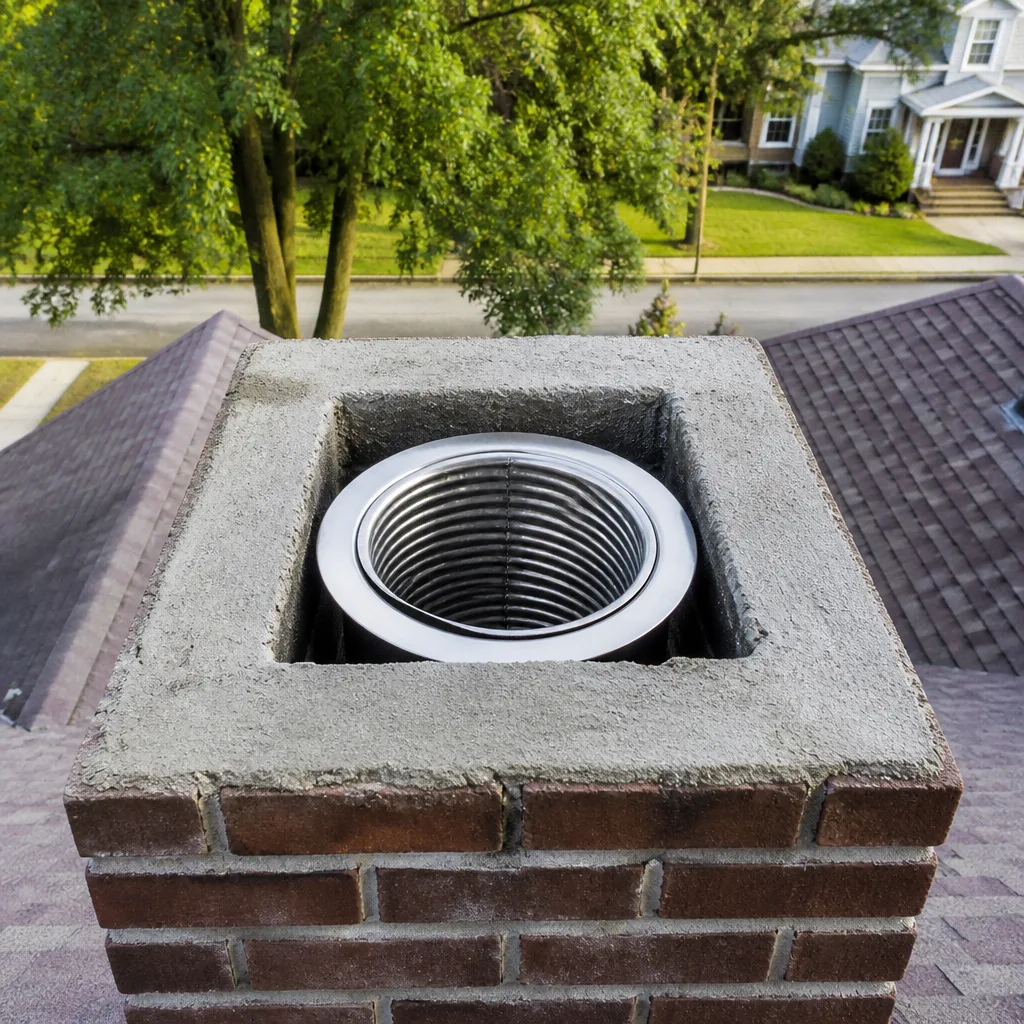 Flue relining
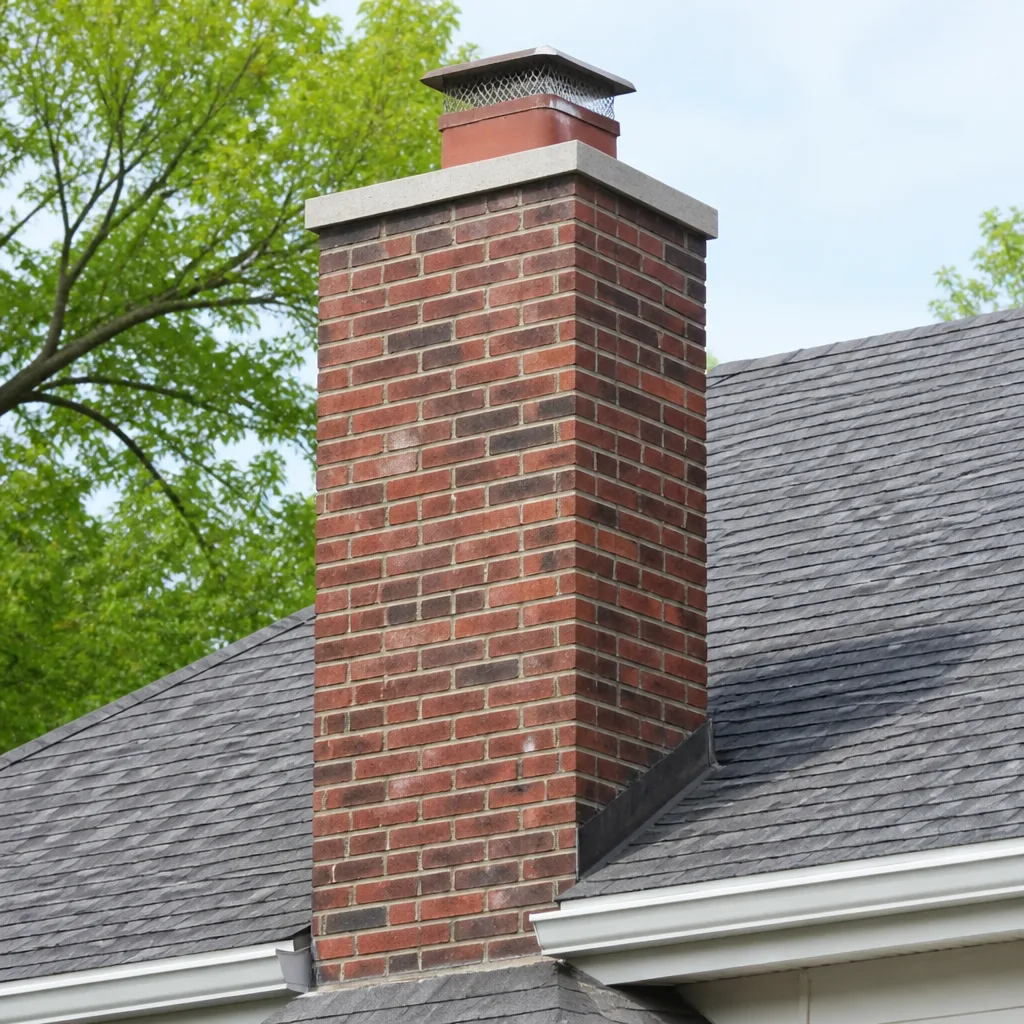 Masonry repair
 Gas fireplace service
Level 1 sweep and inspection to the NFPA 211 annual standard - flue, crown, cap, and flashing checked and photographed
Chimney sweep logs do not sweep chimneys. They loosen some creosote - which then falls where a brush and vacuum still have to collect it.
Chimney Cleaning Permits, Codes & Inspections in Modesto, CA: What You Need to Know
Most chimney work in Modesto doesn’t require a permit. That’s the part that gets homeowners into trouble. Sweeping a flue, checking a cap, replacing a damper: routine maintenance, no paperwork, no inspection by the city. But the moment a contractor rebuilds a firebox, replaces a flue liner, or reconstructs a chase, the job can cross into permitted construction territory, and plenty of homeowners never find out until a sale, a claim, or a home inspection forces the question. This guide walks through what California’s residential code actually governs, when Stanislaus County typically wants a permit pulled, how a proper inspection fits in, and why the distinction matters for your insurance and your disclosure obligations. We’ll also show you the practical side of pulling a repair permit here in Modesto.
Quick Answer
Routine chimney cleaning and inspection generally don’t require a permit in Modesto or under California’s residential code. Repairs that change the structure of the chimney, the firebox, or the flue liner usually do, and repairs to the venting system are governed by California Building Code Chapter 10 (Section R1001) regardless of whether a permit is pulled. A proper NFPA 211 inspection is separate from permit requirements and is how you establish what work is actually needed.
Styles & brands we work with
- Sweep & inspection
- Caps & crowns
- Flue relining
- Masonry repair
- Gas fireplace service
Table of Contents
- Does Chimney Cleaning Require a Permit in Modesto?
- What California Building Code Section R1001 Governs
- When Stanislaus County Requires a Permit for Chimney Work
- What an NFPA 211-Compliant Inspection Involves
- How Unpermitted Work Affects Insurance and Disclosure
- How to Pull a Chimney Repair Permit in Modesto
- Why Modesto’s Climate and Housing Stock Matter
- Common Mistakes to Avoid
Does Chimney Cleaning Require a Permit in Modesto?
No. Chimney cleaning, sometimes called sweeping, is routine maintenance and doesn’t require a permit in Modesto or anywhere else in California. The same is true of an inspection performed as part of service, and of small replacements like a chimney cap or a damper that sits within existing framing and doesn’t alter the flue path.
The confusion starts when a cleaning uncovers a problem. Say a sweep finds a cracked flue tile or a firebox wall that’s spalled three inches deep. Now the conversation shifts from maintenance to repair, and repair is where the code questions live. In our experience, this is exactly where homeowners get blindsided: they booked a chimney sweep and are suddenly being quoted for structural work they didn’t expect, and the question of permits never comes up because the contractor doesn’t raise it.
Here’s the practical rule of thumb:
- Cleaning and inspection: no permit.
- Cap or damper swap: no permit.
- Flue relining: often requires a permit, particularly when the liner is being changed in type or size.
- Firebox reconstruction: usually requires a permit.
- Chase rebuild or major masonry reconstruction: typically requires a permit.
A general takeaway: if the work changes the dimensions, materials, or configuration of the venting system, assume a permit may be required and confirm with the building department before work begins. That’s true in Modesto and true just about anywhere in the Central Valley.
What California Building Code Section R1001 Governs
California Building Code Section R1001 (Chapter 10, “Chimneys and Fireplaces”) sets the minimum standards for masonry fireplace and chimney construction and the venting systems attached to them. The section covers clearance to combustibles, flue sizing, wall thickness, what a hearth extension has to look like, and the requirements for chimney liners and vents. It is a construction code, not a maintenance code: it tells builders and repairers what a compliant chimney looks like, not how often you should sweep.
That distinction is the whole point. Section R1001 tells you what the flue has to be when a repair is done. It doesn’t say you have to pull a permit to clean a flue. But if a repair is performed and the result doesn’t meet R1001, the work is non-compliant in the eyes of the code, and the fact that no one pulled a permit doesn’t make the defect disappear.
What R1001 typically governs, in plain terms:
- Minimum flue liner thickness and material requirements for masonry chimneys.
- Clearance between the chimney and combustible framing and materials.
- Chimney height above the roof and above nearby rooflines.
- Firebox, hearth, and hearth extension dimensions and construction.
- Damper requirements and termination (cap) requirements at the chimney top.
For a Modesto homeowner, the takeaway is simpler: the code exists to ensure any repair keeps the venting system sound. If you’re relining a flue and using a professional-grade system like DuraFlex liner, the installation should be specified to meet R1001 requirements, and if a permit is required, the inspecting authority will typically check against the same rules. When we line a flue, we size and install the system to code, then document the work so the homeowner has a record if questions ever come up. Section R1001 is the baseline every repair has to clear, permit or no permit.
When Stanislaus County Requires a Permit for Chimney Work
Permit requirements vary, and the local building department is the authority that decides whether a specific job needs one. But in our experience across Modesto jobs, these categories of work almost always trigger a permit requirement:
- Liner replacement. Replacing a clay tile liner with a stainless flexible system, or vice versa, changes the venting configuration and is treated as construction, not maintenance.
- Firebox reconstruction. Rebuilding interior masonry, repointing a failing firebox floor, or replacing damaged fireback material.
- Chase replacement or major masonry reconstruction. Anything that involves tearing into the chase or the chimney structure itself.
- New appliance venting. Adding a gas log set, wood stove insert, or changing what’s vented through the chimney.
Routine maintenance actions stay in the no-permit zone: sweeping, inspection, cap replacement, damper tightening, and small cosmetic work. This is where the honest conversation happens. A lot of “repairs” done by sweep-only contractors are really upgrades the homeowner could defer, and a lot of genuine repairs are quietly done unpermitted because the contractor didn’t want to slow the job down. If you’re working with a full-service crew that handles inspection, cleaning, and repair, the permit question should be raised during the estimate, not discovered later. When we scope a chimney repair in Modesto that falls into one of those four buckets, we talk about permits up front and walk the homeowner through the process.
One Modesto-specific wrinkle: many of the older homes in neighborhoods like La Loma and College Area have original clay tile liners that passed code when built but that no longer pass modern clearance and sizing standards. Relining those chimneys is common work, and it usually falls into the permit-required category. Better to know that on the front end.
What an NFPA 211-Compliant Inspection Involves
NFPA 211 is the Standard for Chimneys, Fireplaces, Vents, and Solid Fuel-Burning Appliances. The industry-recognized inspection framework comes from that standard and defines three inspection levels. Understanding them matters because a proper inspection is how you know what repair – and what permit – you actually need.
- Level 1: A visual inspection of readily accessible portions of the chimney and venting system, typically performed during a routine sweep. Appropriate when the appliance and system are unchanged and no problems are suspected.
- Level 2: A more thorough inspection that includes accessible portions of the attic, crawlspace, and other concealed areas, plus a video scan of the flue. Required when a system is changed – new appliance, relining, a chimney that’s changing use – and often performed at a home sale.
- Level 3: A diagnostic inspection that includes removing components (walls, chase panels, or portions of the chimney) to examine concealed areas. Performed only when a Level 1 or Level 2 inspection reveals a hazard.
The inspection requirement is separate from permit requirements. You can have a fully code-compliant inspection and still need a permit for the repair, or a clean inspection report and no permit scrutiny at all. An NFPA 211 inspection tells you the condition of the system. The building department tells you whether the repair needs a permit. Both matter, and they’re not the same thing. A camera scan gives the homeowner something they can actually see and evaluate, not just a contractor’s verbal assessment – which is exactly why we include it in every inspection.
How Unpermitted Work Affects Insurance and Disclosure
This is where the gap between “no permit needed” and “should have pulled a permit” turns into money. Homeowner’s insurance policies generally cover sudden and accidental damage but not defective or non-code-compliant construction. If a chimney fire or a carbon monoxide incident traces back to a repair that was performed improperly and never inspected by the local authority, the claim can become a fight over whether the loss stemmed from a defect the policy doesn’t cover.
California’s real estate disclosure requirements compound the issue. When a home is sold, the seller’s transfer disclosure statement requires disclosure of known material defects and unpermitted work. A repair done without a permit that later shows up in a buyer’s inspection can become a negotiation point at best and a failed contingency at worst. We’ve seen the pattern before: a “fixed” flue liner becomes a problem two years later at sale when the buyer’s inspector notes that the work isn’t reflected in any permit record on file.
A few things worth knowing:
- Unpermitted structural work on a chimney doesn’t become legal just because it was done years ago.
- Insurance claims can be denied or contested when the cause traces to non-permitted, non-compliant repair work.
- Disclosure obligations in California are broad, and “I didn’t know it was unpermitted” is not a defense.
- A permit record plus an inspection sign-off is a paper trail that protects both the seller and the buyer.
None of this means every repair needs a permit. It means the distinction matters, and it’s the homeowner’s responsibility to know which side of the line a job is on. In our experience, homeowners who ask the permit question up front sleep better than the ones who find out later.
How to Pull a Chimney Repair Permit in Modesto
The permit process for a chimney repair in Modesto runs through the city or county building department, depending on where the home sits, and it typically follows a standard path. The licensed contractor doing the work usually submits the application; the homeowner signs as the property owner of record. Here’s how the sequence generally goes:
- Confirm the scope in writing. The permit application starts with a written scope: what’s being repaired, what materials will be used, and where on the chimney the work is happening.
- Assemble documentation. Expect to provide a site sketch or photos of the current chimney, the product spec sheets for any liner or flue product being installed (manufacturer listings for products like DuraFlex or HeatShield are typically required), and in some cases engineering details for structural repairs to the chase.
- Submit the application. The licensed contractor files with the jurisdiction, and the permit is issued after review.
- Perform the work. The work is done according to the approved scope and the R1001 requirements that apply.
- Call for inspection. The building inspector visits during or after the work to confirm compliance. This is the step that creates the paper trail.
- Final sign-off. The permit is closed and the record is filed with the property.
Timelines vary by jurisdiction and workload, but plan for more than a day and less than a month for the permit review itself. Emergency repairs can sometimes be permitted after the fact, but that’s a decision for the building department, not the contractor, and it’s usually more painful than pulling the permit up front. As a full-service Modesto Chimney Sweep crew, we handle this process for the repairs we perform, so the homeowner isn’t stuck coordinating between a sweep contractor who won’t pull a permit and a general contractor who won’t touch a chimney.
Why Modesto’s Climate and Housing Stock Matter
Modesto winters are mild. The coldest weeks rarely last, and a fireplace is often used for ambiance and the occasional cool evening rather than as primary heat. That’s relevant to the permit conversation in a way it wouldn’t be in, say, New England: the inspection cycle often stretches longer than it should, because the fireplace sits unused for months at a time and problems go unnoticed. A cracked flue liner that would surface within a season in a cold climate can go undetected through a whole Modesto summer.
The housing stock adds its own wrinkle. A lot of Modesto homes built in the mid-twentieth century still have their original clay tile liners, and those liners were sized for the appliances of the era. When a homeowner adds a gas log set or a wood insert, the venting demands change, and the liner that was fine in 1962 may not meet modern requirements today. Relining is common work here, and it’s the repair category most likely to require a permit.
Modesto’s position in the northern San Joaquin Valley also shapes the carbon monoxide picture. The valley’s air quality means gas appliances vented through the chimney need to be venting cleanly. A blocked or degraded flue isn’t just a chimney fire risk – it’s a CO risk, and that’s another reason an inspection is worth doing even in a mild winter. Nothing dramatic is required: get the system checked, know its condition, then leave it alone until something actually needs attention. We’d rather tell a homeowner the chimney can wait than sell work that isn’t necessary.
Common Mistakes to Avoid
- Assuming the “no permit for cleaning” rule applies to repairs. Cleaning is maintenance. Repairs that change the flue or firebox are not. Treating them the same is how unpermitted work accumulates.
- Hiring a sweep-only outfit and letting them subcontract the repair. The sweep who found the problem rarely pulls the permit; the subcontracted mason may or may not, and the homeowner is left holding the liability either way.
- Skipping the camera scan to save time. A verbal “you need a liner” without a video scan is a diagnosis you can’t verify. Get the photo report.
- Assuming the old work was permitted. Just because the previous owner had a repair done years ago doesn’t mean a permit was pulled. Check the county record before you buy or sell.
- Not disclosing unpermitted work on the transfer disclosure. In California, disclosure obligations are broad, and the sale can be reopened or forced into renegotiation after the fact.
- Letting the fireplace sit for years between inspections. In a mild Modesto climate, the fireplace goes unused for long stretches and problems quietly get worse.
- Buying a hardware-store patch kit for a real liner problem. Surface patches don’t restore a flue. A factory-engineered resurfacing product like HeatShield, or a professional reline, is what actually solves the underlying issue.
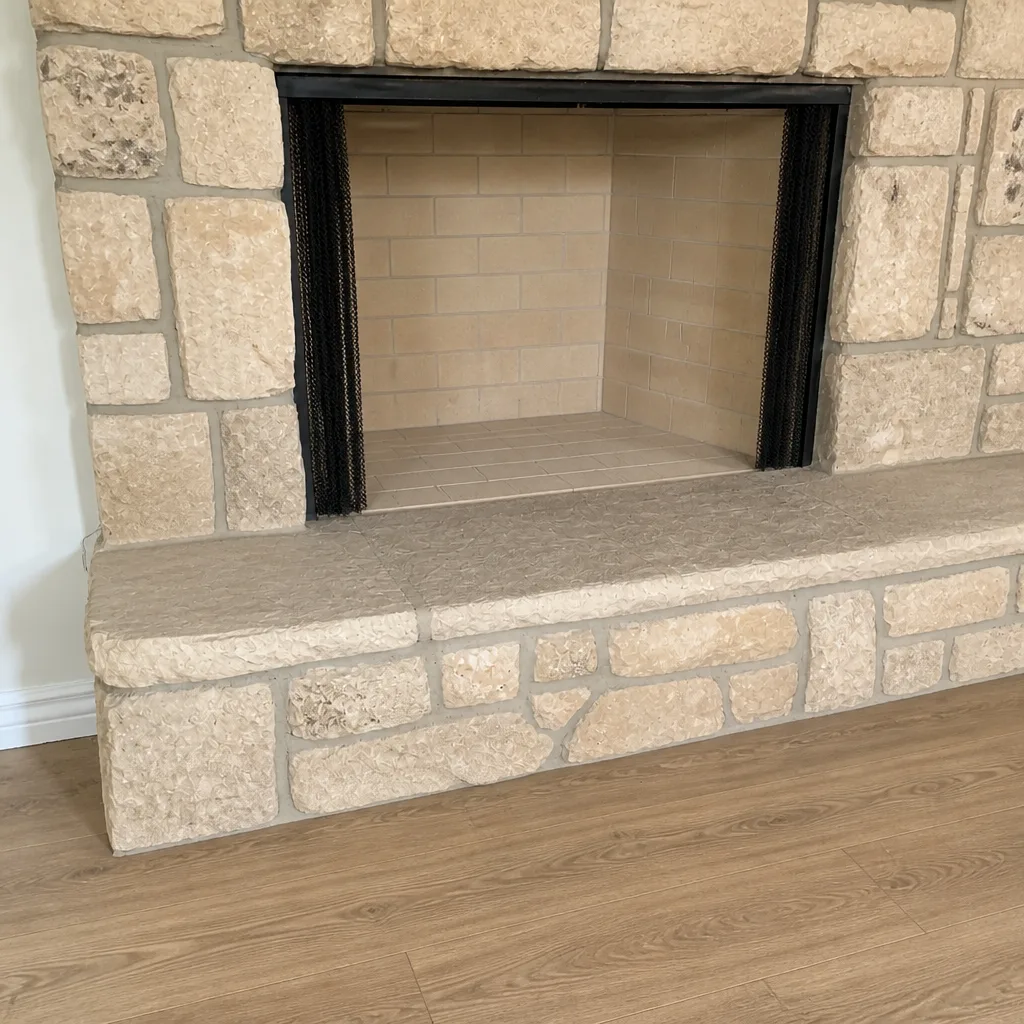
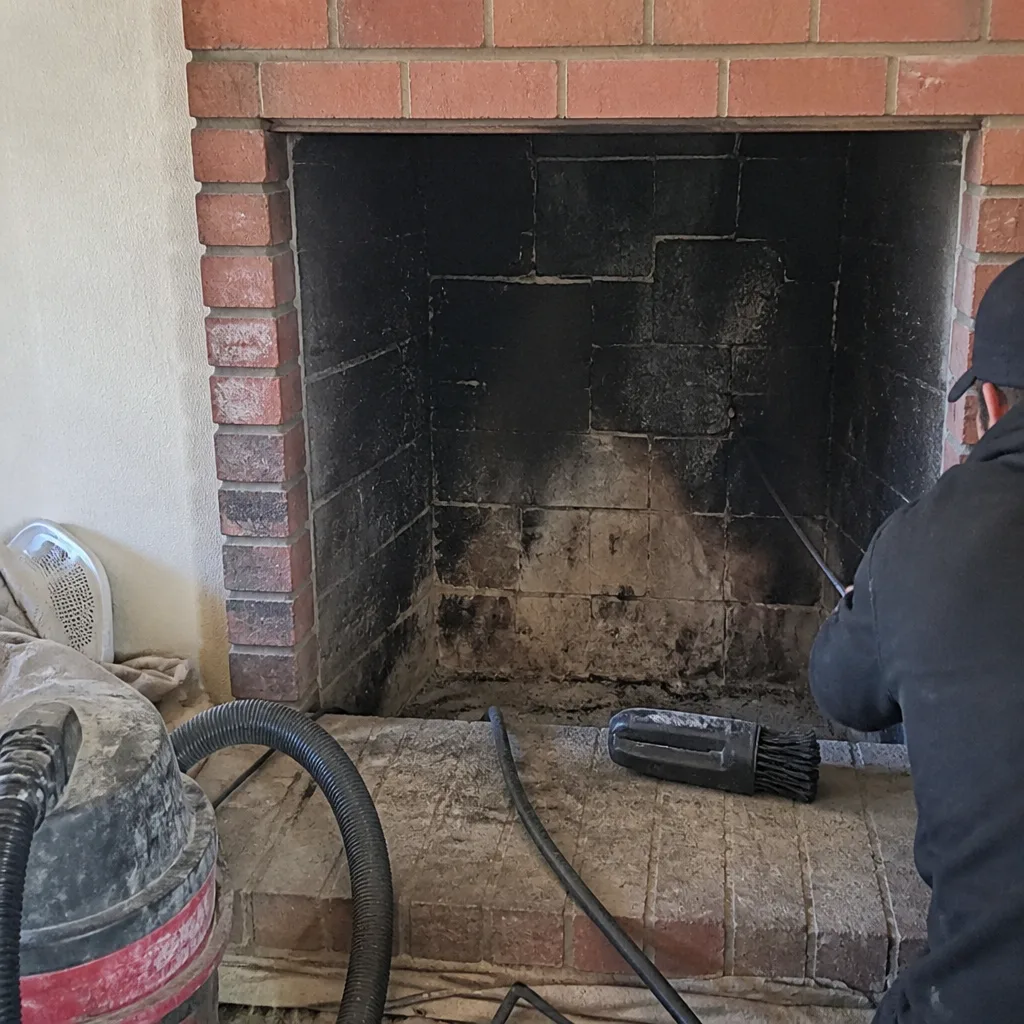
See the difference
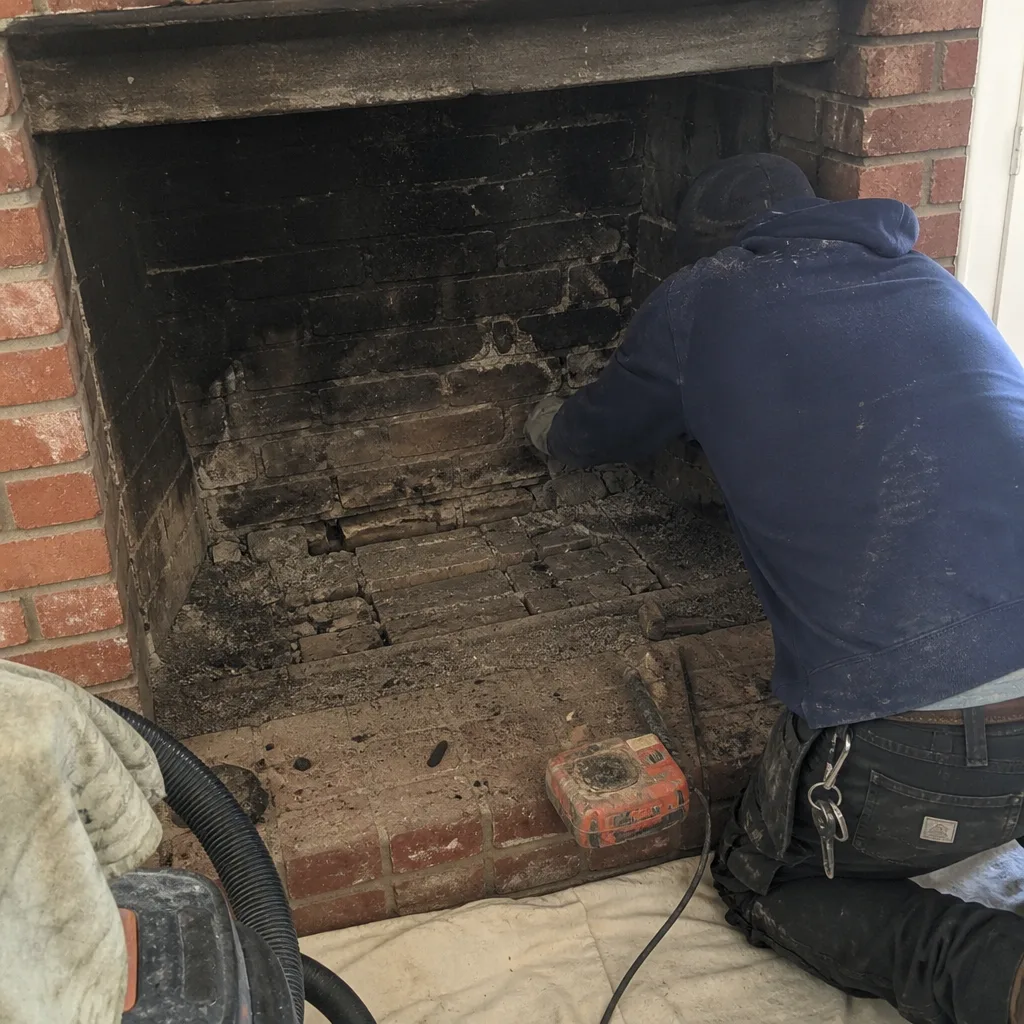 Before
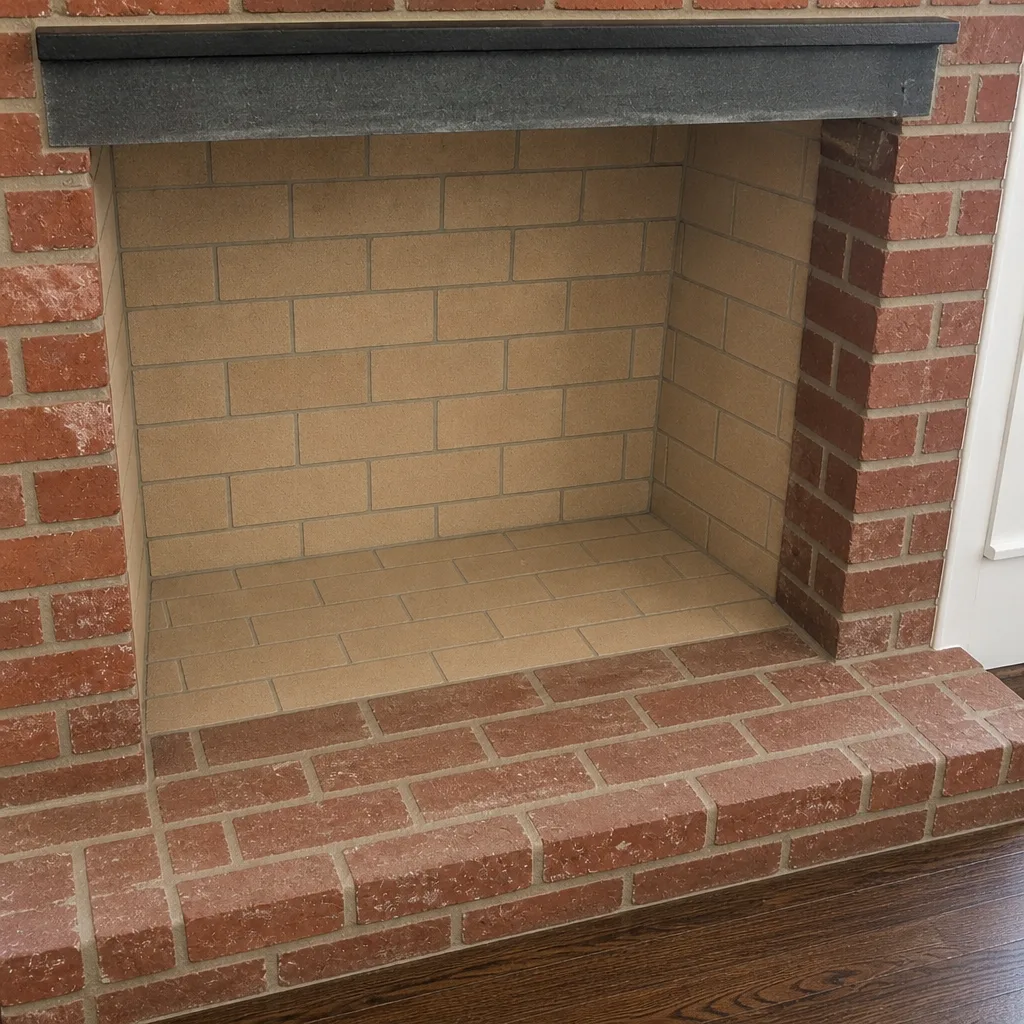 After
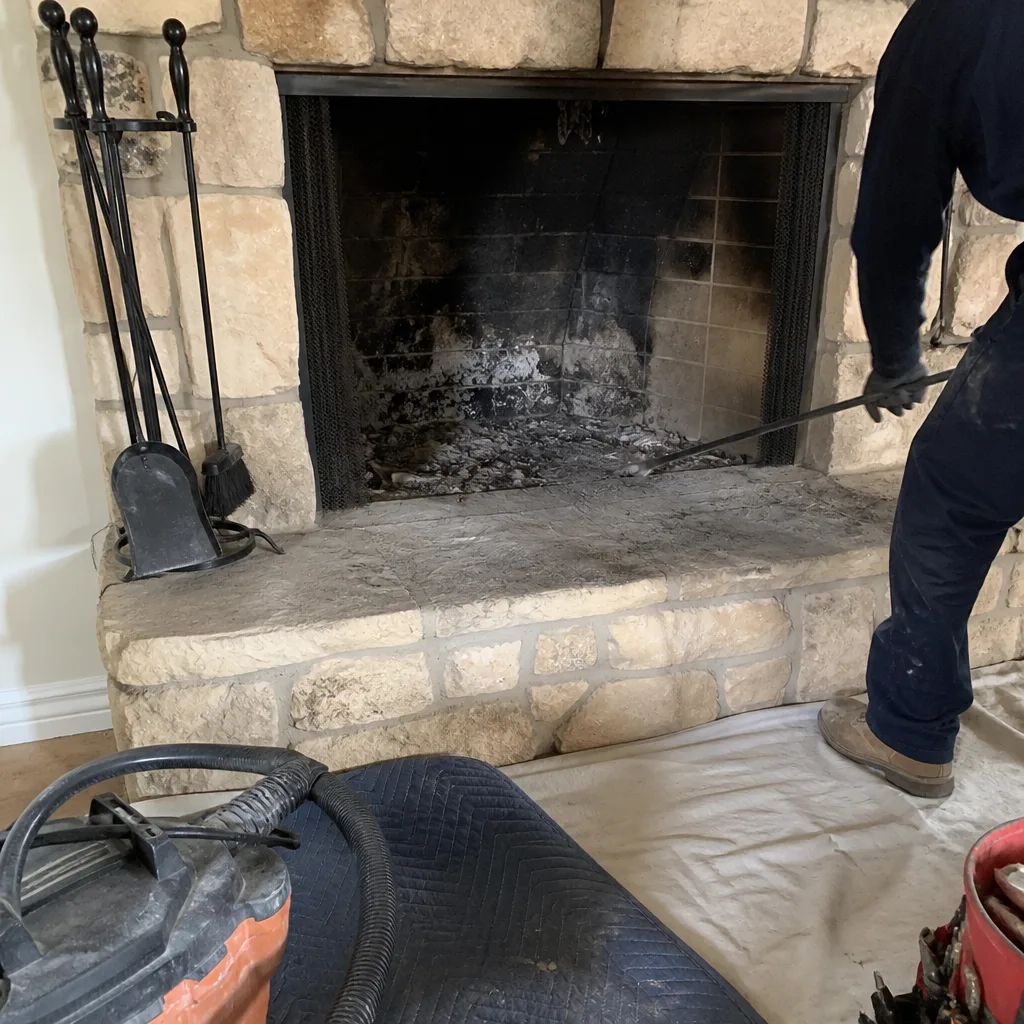 Before
 After
 Before
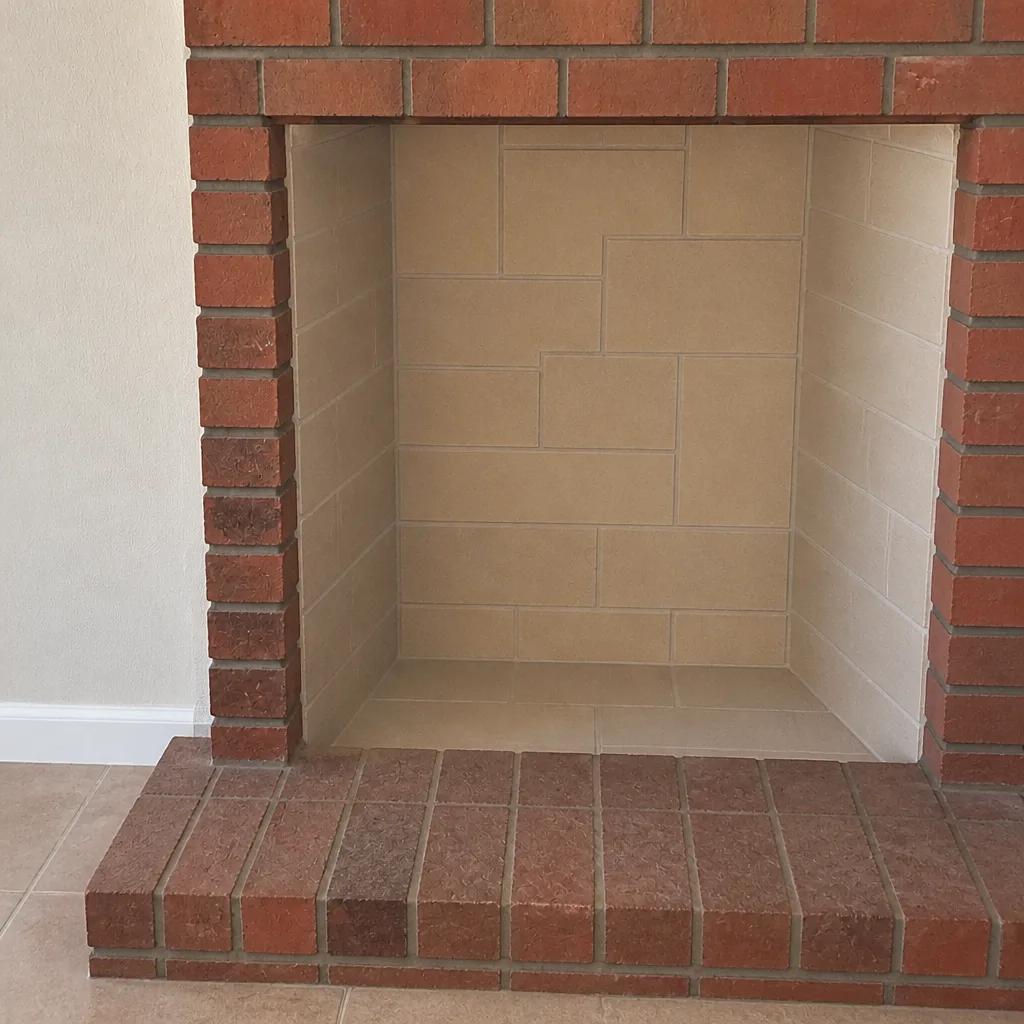 After
When to Call a Professional
If you’re booking a sweep and you’ve never had the chimney inspected, call us and ask for a camera scan along with the cleaning. If a cleaning uncovers a cracked liner, a spalled firebox, or a failed cap and a contractor tells you a permit isn’t needed for the repair, slow down and get a second opinion. If you’re preparing to sell a house with a fireplace and the permit history is unclear, get a Level 2 inspection before the listing goes live. If you’ve changed the appliance – new insert, new log set, converting from wood to gas – the venting needs an inspection. And if a contractor proposes tearing out the chimney to resurface a flue, ask about HeatShield flue resurfacing first; it’s a factory-engineered product we’re certified to apply, and it can restore a compromised liner without full rebuild costs. Modesto Chimney Sweep offers free estimates in Modesto – call (855) 360-6515.
Frequently Asked Questions
No. Chimney cleaning is routine maintenance and doesn’t require a permit in Modesto or anywhere in California. That’s true whether you’re booking a routine annual sweep or a one-time cleaning before selling a home. If a subsequent repair is needed – relining, firebox rebuild, chase work – the permit question comes back into play, and a licensed contractor typically pulls the permit for that repair. Call (855) 360-6515 for an exact quote on a sweep or inspection – estimates are free.
Section R1001 of the California Building Code governs construction and repair standards for masonry fireplaces and chimneys, including flue sizing, liner requirements, clearances to combustible material, hearth dimensions, and chimney height. It’s a construction code, not a maintenance rule, so it doesn’t apply to sweeping. It does apply to any repair that alters the venting system, permit or no permit – a repair that doesn’t meet R1001 is non-compliant regardless of paperwork. Call us for a free estimate if you’re unsure whether your chimney currently meets the standard.
You need a new liner when the old one has failed: cracks, gaps at the joints, missing sections, or degradation that a camera scan can show. You don’t need one because a contractor says so without evidence. Ask for the video scan – a photo report you can see – and if the report shows intact clay tiles, hold off. Nothing gets recommended on our end without camera evidence you can review yourself. If it turns out the liner can be resurfaced rather than replaced, HeatShield flue resurfacing is often the right call, and it’s an option most sweep-only companies can’t offer. Call (855) 360-6515 if you want a second opinion on a liner quote.
Once a year for a wood-burning fireplace in active use, per the industry standard, and every few years for a gas appliance vented through the chimney. In Modesto’s mild climate, many fireplaces go unused for long stretches, so annual is often more aspirational than actual. Even so, an inspection every couple of years catches the failures that develop slowly. If you’ve never had the chimney inspected, book one before your next burning season. Call (855) 360-6515 – estimates are free, and we’ll tell you plainly if it can wait.
Creosote builds up, and when creosote in the flue ignites, that’s a chimney fire – something the fire service tracks as a preventable cause of home loss. A blocked or degraded flue also raises carbon monoxide risk, particularly with gas appliances vented through the chimney. Neither is a certainty, but both are the kind of thing a routine inspection catches before it becomes a problem. Skipping one year usually isn’t a crisis; skipping five starts to be. Call (855) 360-6515 for a free estimate and we’ll give you an honest read on the current condition.
It can, and it often does. California’s transfer disclosure requirements obligate the seller to disclose known material defects and unpermitted work, and a buyer’s inspection contingency can reopen the price when the permit record is missing. The cleanest position is a permit record plus an inspection sign-off for any structural repair. If you’re not sure of the permit history on the chimney, get a Level 2 inspection before listing. Call (855) 360-6515 – free estimates, and we’ll walk you through what the record shows.
The Bottom Line
Chimney cleaning and inspection are routine maintenance and don’t require a permit in Modesto. Repairs that change the structure – liners, fireboxes, chases – usually do, and they have to meet California Building Code Section R1001 either way. An NFPA 211 inspection is separate from the permit process but runs alongside it: the inspection tells you what’s actually wrong, and the permit process makes sure the fix is legal and insurable. Unpermitted repairs can turn into a real problem at claim time or at sale, and they’re harder to unwind than to prevent. If you live in Modesto and you’re not sure which side of the line your chimney work falls on, that’s the conversation to have before the work starts, not after.
Call (855) 360-6515 for a free estimate. We answer 24/7. Fast dispatch, 7am-7pm, Sunday through Friday. We inspect before we sweep, because cleaning a damaged flue without fixing it first is a safety risk, not a service – and when a repair is needed, we’ll tell you plainly whether a permit is required.
Written by the team at Modesto Chimney Sweep.