
Last updated November 16, 2026
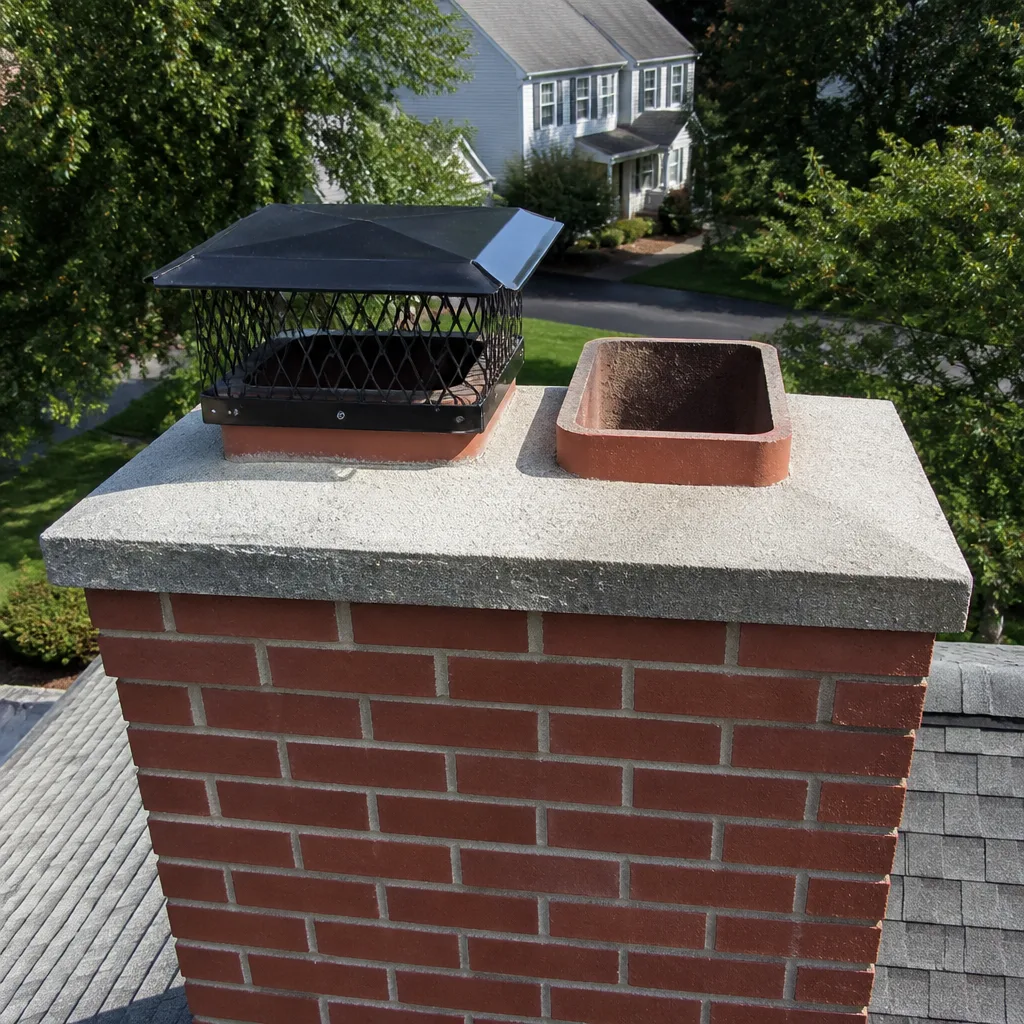 Sweep & inspection
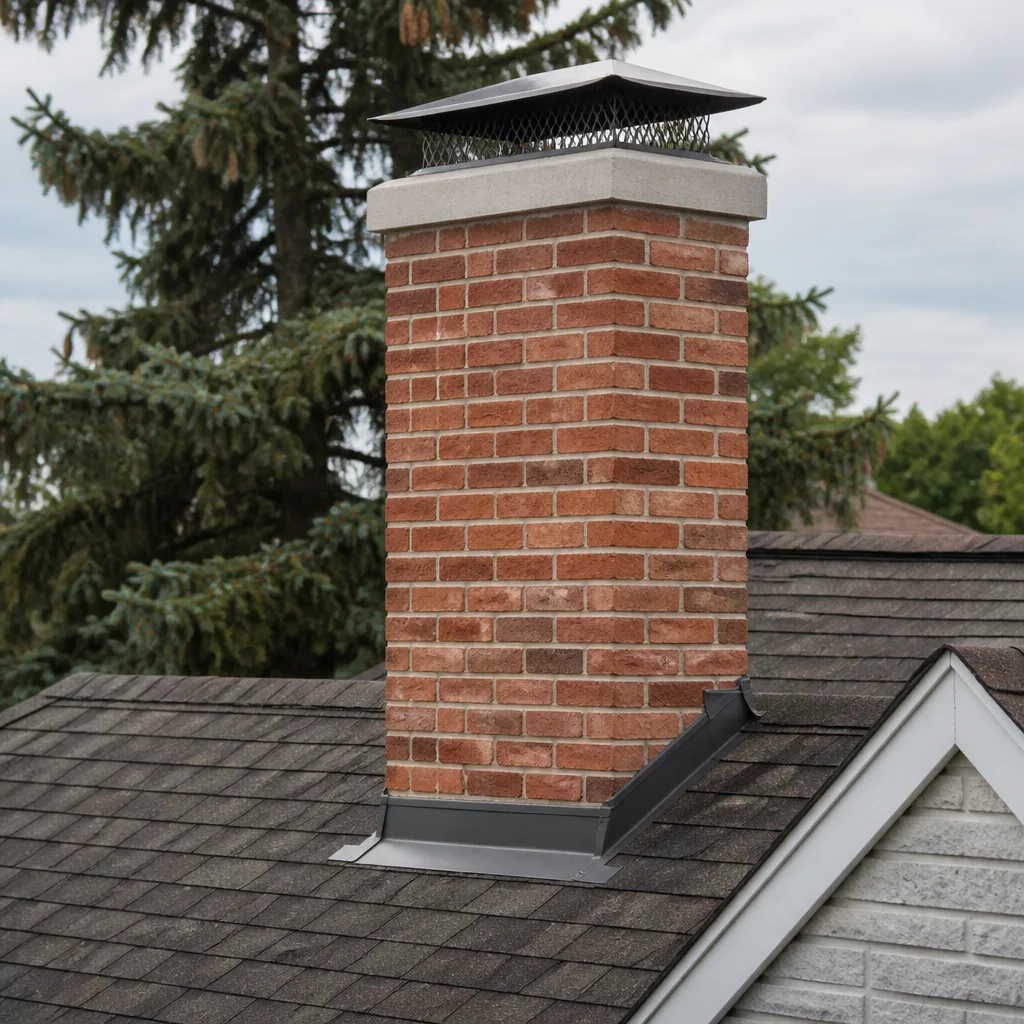 Caps & crowns
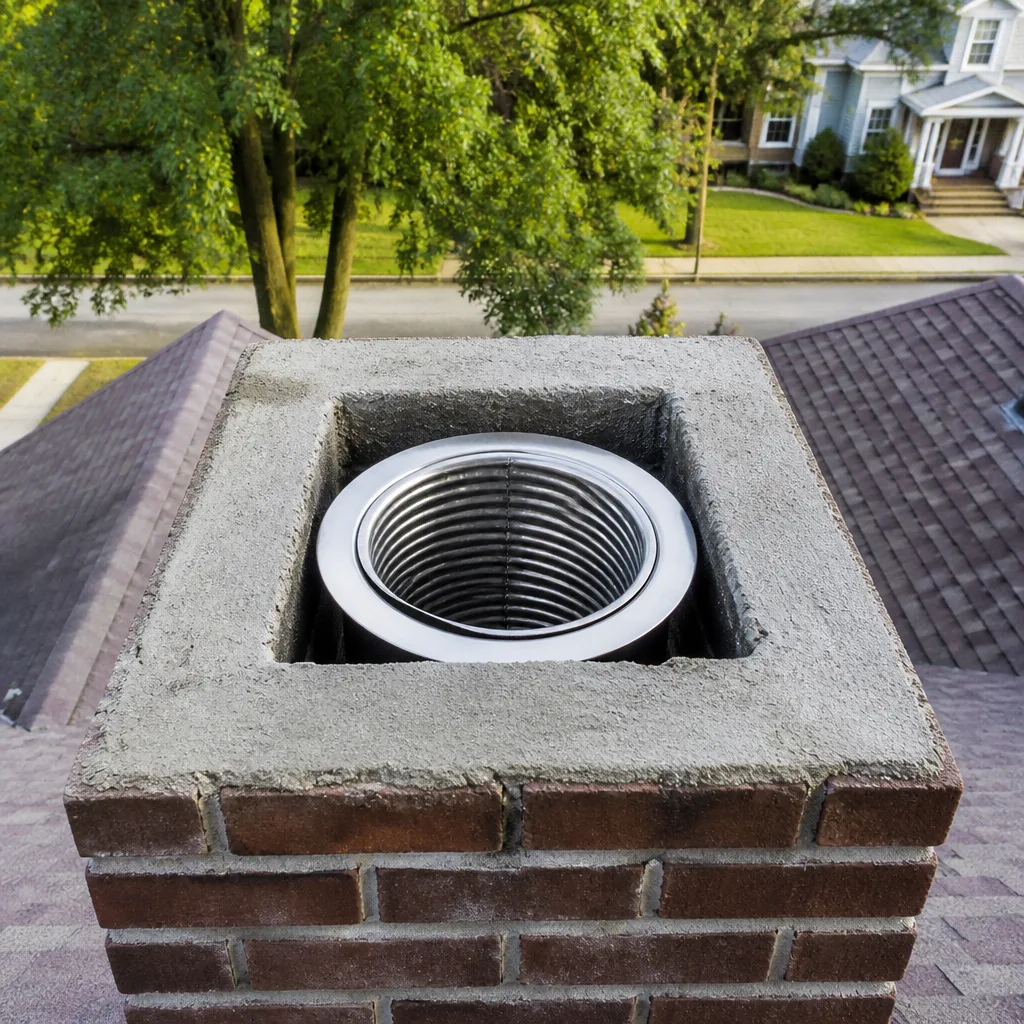 Flue relining
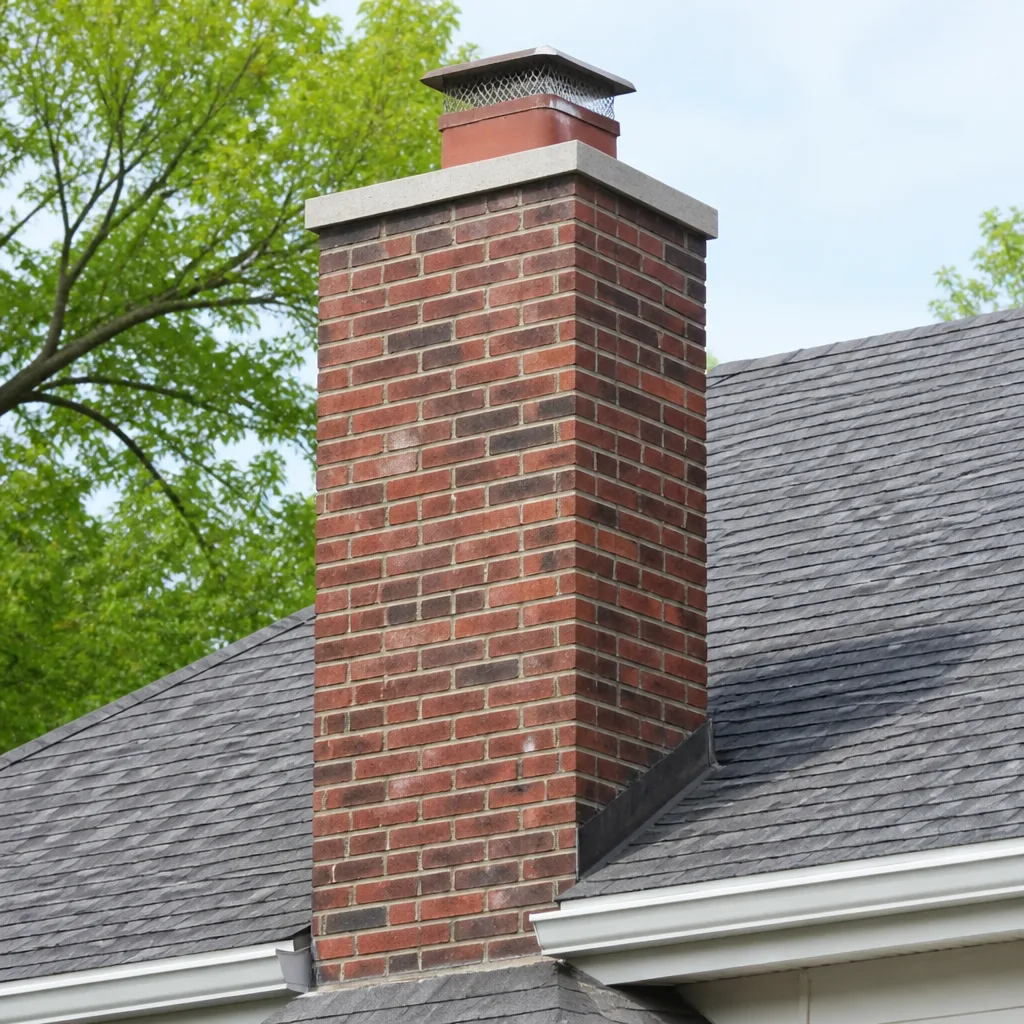 Masonry repair
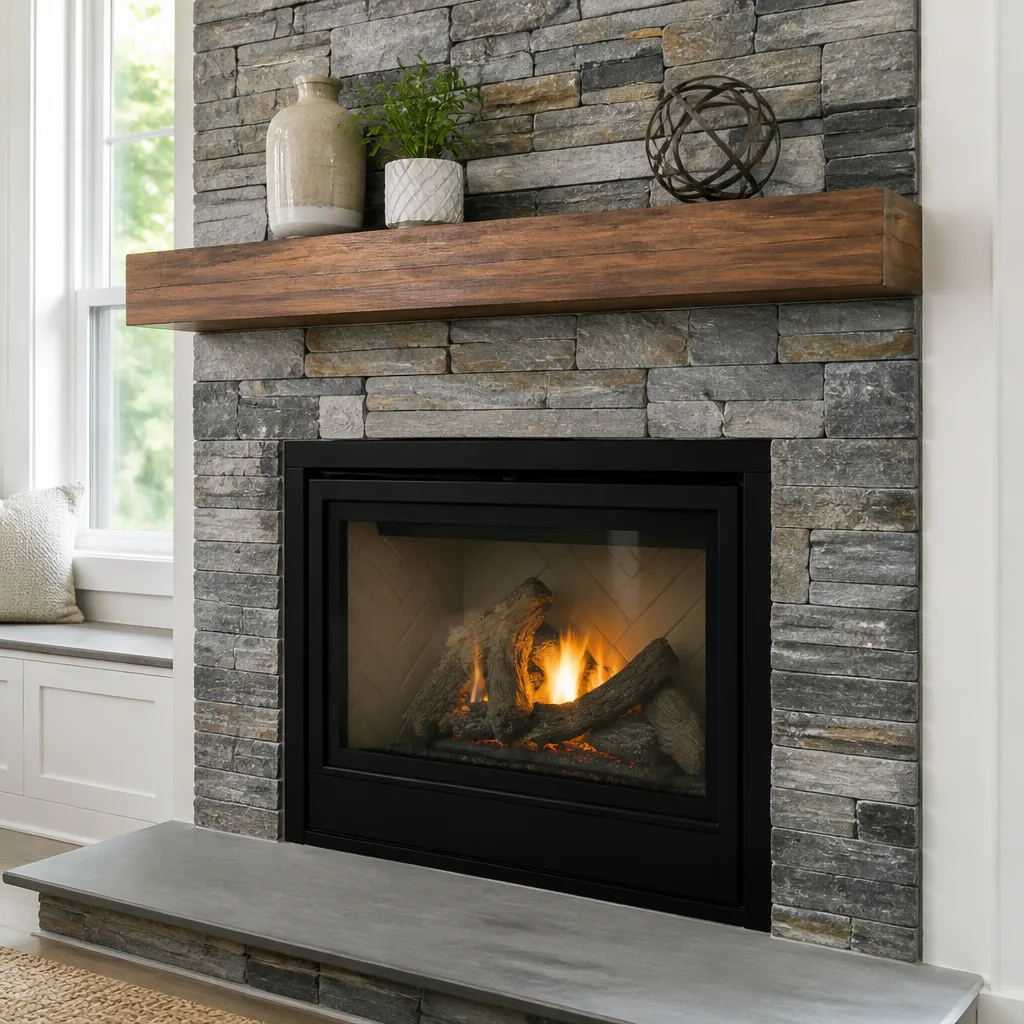 Gas fireplace service
Level 1 sweep and inspection to the NFPA 211 annual standard - flue, crown, cap, and flashing checked and photographed
Chimney sweep logs do not sweep chimneys. They loosen some creosote - which then falls where a brush and vacuum still have to collect it.
Chimney Sweep Maintenance Schedule: What to Do and When
The standard advice you’ll find online is to sweep your chimney once a year. That advice was written for places with long, hard winters and fireplaces that burn constantly from October to April. Modesto isn’t that place. Our mild winters mean most homeowners here light somewhere under thirty fires a season, and sometimes far fewer. A rigid annual sweep schedule doesn’t fit how chimneys in Modesto actually get used, and it can push you toward cleaning a flue that doesn’t need it while missing the checks that would actually catch a real problem. This guide builds a maintenance calendar around fuel type, burn frequency, and liner condition, so you know what to do and when to do it.
Quick Answer
How often a chimney needs cleaning depends on how much you burn and what you burn, not the calendar. A CSIA guideline worth knowing: have the chimney swept once a year or after roughly one cord of wood, whichever comes first, and have it inspected annually regardless. In practice, a Modesto homeowner burning a handful of fires a season may go a couple of years between sweeps as long as the annual inspection stays clean. A household that burns several times a week needs cleaning sooner. Build the schedule around your burn load, and let the inspection be the anchor that never gets skipped.
Styles & brands we work with
- Sweep & inspection
- Caps & crowns
- Flue relining
- Masonry repair
- Gas fireplace service
Table of Contents
- Do You Really Need an Annual Sweep?
- Calculating Your Burn Load and When to Sweep
- The Pre-Season Checklist That Prevents Fall Failures
- Gas Fireplace Flues: Why They Still Need Annual Inspection
- The January Check Most Homeowners Skip
- Documenting Your Chimney Year-Over-Year
- Reading Your Liner’s Condition
- A Maintenance Calendar for Modesto Homeowners
Do You Really Need an Annual Sweep?
The annual figure gets repeated everywhere, but what the standard actually calls for is an annual inspection, with cleaning performed when the inspection shows it’s needed. That distinction matters. An inspection tells you whether there’s enough creosote buildup to warrant cleaning, whether the liner has developed a crack or gap, and whether the cap and crown are doing their job. Sometimes the answer is “you’re fine, see us next year.” Sometimes it’s “sweep it now.”
National guidelines lean toward a sweep every year because they’re aimed at cold-climate households that burn through a full cord or more. A Modesto household that lights the fireplace on a dozen cool evenings between November and February is a different animal. Creosote accumulates in proportion to fuel burned and how cool the flue runs, so a low-use fireplace in a mild climate builds up far more slowly.
That doesn’t mean skip it. It means let the inspection drive the schedule rather than a fixed date. We inspect before we sweep, because cleaning a damaged flue without fixing it first is a safety risk, not a service. The inspection tells us what the flue actually needs, and working with experienced technicians (ours have up to 9 years of experience) means that read is reliable.
One more thing worth saying plainly: an annual inspection is the single most useful habit in chimney care, and it’s also the one where a homeowner’s biggest fear is being told they need major work they have no way to verify. That’s why a real inspection uses a camera. Here’s what to look for:
- Camera evidence: you should be able to see the inside of the flue on a screen, not take someone’s word for it.
- A photo report: visible condition documented, so you can compare next year.
- A flat price for the sweep agreed before booking: no surprise add-ons.
- An honest “this can wait”: a good inspector tells you when work isn’t needed yet.
When you get all four, you can trust the recommendation. When you don’t, ask why.
Calculating Your Burn Load and When to Sweep
Creosote is the organic residue of incomplete combustion. When you burn wood, the smoke carries water vapor and unburned gases up the flue. A hot flue burns most of them off; a cooler flue lets them condense on the liner walls as creosote. The three grades of buildup matter:
- Stage 1: a light, dusty soot that brushes off easily.
- Stage 2: a flaky, brittle, black deposit that comes off in chips but calls for a proper sweep.
- Stage 3: a glazed, hardened, shiny tar-like layer that a standard brush can’t remove and that indicates a genuine fire hazard.
Stage 3 is rare in a mild-climate fireplace that runs cleanly. It shows up most often in flues that are choked down too much (burning slow, smoldering fires) or that get a lot of green or wet wood. Keep those two habits out of your routine and you’ll rarely see it.
The practical yardstick: roughly one cord of wood equals one cleaning. If you burn less than a quarter cord a year, you can probably stretch the sweep time out and let the inspection decide. Here’s how to gauge your burn load:
- Count your fires. A rough tally for a season tells you a lot. Under 30 fires a year is light use. Over 100 puts you in regular-use territory.
- Estimate the wood. A full cord is 128 cubic feet stacked; a face cord is about a third of that. If you never fill a wood rack more than once a season, you’re well under one cord.
- Note the fuel. Seasoned, split, dry hardwood burns hot and clean. Wet or green wood smolders and leaves heavy residue even in small amounts.
- Check the flue condition at inspection. The buildup you actually find is the real answer; the count is an estimate to help you plan.
Light users in Modesto often run a sweep every second or third year while still inspecting annually. Heavy users, or anyone who’s been burning wet wood, may need it every year or even mid-season. If you’re planning a chimney sweep, the sweep and inspection together give you the concrete answer for your chimney rather than a guess.
The Pre-Season Checklist That Prevents Fall Failures
Most of the chimney problems that show up in Modesto on the first cool evening of fall were already developing all summer. The dry months are when the components that keep weather out quietly degrade, and the first fire of the season is when they announce it. A short pre-season check catches the common failures before they cost you a callout.
- Inspect the cap and spark screen. The cap keeps rain, birds, and debris out of the flue. A loose or damaged cap is the number one reason for water intrusion and nesting. We install Gelco and Famco covers built to last, so a failing cap gets replaced rather than patched.
- Check the damper operation. Open and close it fully a few times before the season. A damper that sticks or doesn’t seal is a common fall frustration and an easy thing to catch early.
- Look at the mortar and the crown. Hairline cracks in the mortar joints or the crown widen over a dry summer. If you can see daylight through a joint or the crown is crumbling, get it inspected before you burn.
- Confirm the flue is clear. A quick visual check with a flashlight up the flue (never your whole body) before the first fire. If you see nests, twigs, or a strong creosote smell, call for service.
- Schedule the sweep and inspection before the first burn. This is the load-bearing item on the list. Cleaning before burning, on a flue you’ve confirmed is intact, is the right order.
The reason this matters more in our climate than in colder ones is that Modesto’s burning season is short and easy to forget. A cold-climate household fires up in October and notices a problem immediately. A Modesto household might go months between fires, so a developing issue on the cap or a crumbling crown sits unnoticed through a dry summer and shows up the first time it rains.
The single best prevention in our climate is a proper chimney cap. It stops rain, animal entry, and windblown debris before any of them become a service call. If your cap is loose, missing, or just old, that’s the one pre-season item worth fixing without waiting.
Gas Fireplace Flues: Why They Still Need Annual Inspection
A gas fireplace produces almost no visible soot, so it’s easy to assume it doesn’t need the attention a wood fireplace does. That assumption is the source of most gas-chimney surprises. Gas burns cleanly, but the byproducts still travel up the flue, and the things that fail on a gas system fail invisibly.
The inspection for a gas flue is different from a wood one because the debris is different:
- Moisture and corrosion: a gas flue sees more water vapor than a wood flue. Over time that moisture attacks the liner and metal components.
- Nesting and blockages: a gas flue with a missing cap is just as attractive to birds as a wood flue. A blocked flue on a gas appliance can push combustion gases back into the home.
- Carbon monoxide risk: an intact, unobstructed flue is the thing that carries exhaust out of the house. A compromised liner or a blocked flue on any fuel-burning appliance is a real carbon monoxide concern, and it’s the strongest reason not to skip the annual check.
- Venting connections: on a gas insert, the vent connection and termination need to be sound. That’s a job for a professional, never a do-it-yourself fix.
The mild-winter math still applies to gas. If the fireplace runs a couple of times a week through the cool season, the annual inspection is a low-cost check that catches problems early. If you’re unsure of your setup, the inspection tells you whether the flue is a masonry passage or a metal vent and what condition it’s in. Our technicians are experienced with both, and the inspection uses a camera so you see what they see. Skipping a gas inspection doesn’t save money; it just delays finding a problem that gets more expensive to fix the longer it sits.
The January Check Most Homeowners Skip
Heavy users (folks lighting three or more fires a week through the season) reach a different maintenance milestone mid-winter. By January, a regular-use fireplace has burned enough fuel to start accumulating creosote, and a mid-season look catches it before it becomes a full sweep call in February.
The mid-season check isn’t a full sweep. It’s a look. For a wood fireplace, the things to watch:
- Glaze or flaking on the flue walls. Shine a light up the flue from the firebox. Flaky or glazed buildup means it’s time to clean before your next fire.
- Damper and firebox condition. Any cracking or rust at the firebox that appears mid-season deserves a closer look.
- Cap and screen intact. Storms and wind move things. A cap that holds through November can be loose by January.
Heavy users should also watch for a change in draft. If the fireplace suddenly smokes more or pulls poorly, that’s a signal something in the flue has changed. It’s worth a call rather than pushing through the rest of the season. A partial mid-season sweep keeps a heavy-use flue safe through the coldest weeks. Don’t guess at the condition of a hot flue mid-burn; call and let a trained eye look before you light the next one.
Documenting Your Chimney Year-Over-Year
A chimney doesn’t fail on a single day. It changes slowly, and the small changes add up in ways that are easy to miss if you’re only looking once every few years. The habit that catches slow structural issues is a written record. Each inspection should produce a simple report:
- Flue condition: what stage of buildup, and any cracks or gaps seen on camera.
- Liner condition: material, age estimate if known, any deterioration noted.
- Crown and mortar: any cracks or missing joints.
- Cap: present, sound, or needs attention.
- Photos: one or two shots of anything flagged, so you can compare next year.
A photo from this year and a photo from last year side by side tell you more than any single report. A hairline crack that’s grown, a crown that’s spilled a little more, or a liner that’s developed a new gap is exactly the kind of slow change that’s invisible in a single visit but obvious in a comparison. When we finish a chimney repair, the report shows what was done and the manufacturer-backed materials used (DuraFlex liners, HeatShield resurfacing, components from Copperfield or Olympia Chimney), so the record is complete.
That file also helps you plan and budget. A chimney that’s going to need relining in a few years is something you can prepare for rather than discover on a cold evening. Keep the reports together in one place, and bring last year’s to this year’s appointment.
Reading Your Liner’s Condition
The flue liner is the part that actually keeps combustion gases inside the chimney and protects the surrounding framing. If the liner is sound, the rest of the maintenance schedule is straightforward. If it isn’t, cleaning alone solves nothing, and the risks are real.
Liner condition isn’t something a homeowner can assess by looking up the flue from the hearth. It needs a camera. What the inspection is looking for:
- Cracks: vertical or horizontal fissures that let gases escape the flue.
- Gaps at joints: separated sections that leak at the seams.
- Spalling: flaking or crumbling at the clay surface.
- Spalling sections of the mortar: mortar that has eroded, leaving the liner unsupported.
When the liner is compromised, the fix is usually one of two things, both of which we handle in-house rather than escalating to a general contractor. Relining means installing a new liner inside the old flue; we install DuraFlex flexible liner systems, a professional-grade solution that most sweep-only crews can’t offer. Resurfacing means restoring the inside of the existing flue without tearing the chimney out; we’re certified to apply HeatShield, a factory-engineered flue repair product that carries its own manufacturer warranty.
One thing to know: not every liner problem needs addressing today. A minor flaw that isn’t yet a safety concern can be monitored and scheduled. A compromised liner that’s actively venting gases into the framing is not something to sit on. The job of the inspection is to tell you which is which, and any recommended liner or masonry work should come with camera evidence you can see. When a job can safely wait, we’ll say so. Relining or resurfacing done right keeps the chimney code-compliant without the cost of a full rebuild.
A Maintenance Calendar for Modesto Homeowners
Here’s the whole schedule in one place. The timing is built around Modesto’s short burning season and the way most local fireplaces actually get used.
| When | What to Do | Who |
|---|---|---|
| Late summer / before first burn | Pre-season check: cap, damper, mortar, crown, flue clear; schedule annual inspection and sweep if needed | Homeowner checklist + professional inspection |
| After ~1 cord of wood burned | Full sweep (or when inspection shows it’s needed) | Professional |
| Every year | Inspection with camera and photo report, for wood and gas appliances alike | Professional |
| Mid-season (heavy users) | Check flue for buildup, confirm cap and damper | Homeowner look + call if draft changes |
| After any storm or visible damage | Inspection to check cap, crown, and liner | Professional |
| Every year | Save the report; compare to last year’s | Homeowner |
For most light-use households in Modesto, this amounts to a pre-season inspection and a sweep when the inspection calls for it. Heavy users add a mid-season check. Everyone keeps the annual inspection, because the annual inspection is what catches the slow changes before they turn into a rebuild. The schedule isn’t rigid; it’s a default you adjust to your own burn load.
Common Mistakes to Avoid
- Sweeping on the calendar instead of on condition. A fixed annual sweep ignores how little you may burn. Let the inspection decide and save the sweep for when it’s actually needed.
- Skipping the annual inspection because you barely use the fireplace. Low use is not no risk. A blocked flue from a missing cap or a cracked liner is a problem whether you’ve burned ten fires or a hundred.
- Assuming the gas fireplace needs nothing. Gas flues corrode, block, and vent carbon monoxide like any other. They still need an annual check.
- Burning unseasoned or wet wood to “stretch” the woodpile. A cool, slow fire leaves heavy creosote even in small volume. That buildup is exactly what you’re trying to prevent.
- Patching a liner or crown with a hardware-store fix. A patch that doesn’t address the underlying failure just hides it until next season. Professional-grade materials and a proper fix cost less over time than repeated patches.
- Not checking the cap in our wet, mild winters. A missing or loose cap is the most common cause of water intrusion and nesting. It’s a small part with an outsized effect.
- Not keeping the inspection report. The year-over-year comparison is what catches slow structural changes. Without a record, each inspection starts from zero.
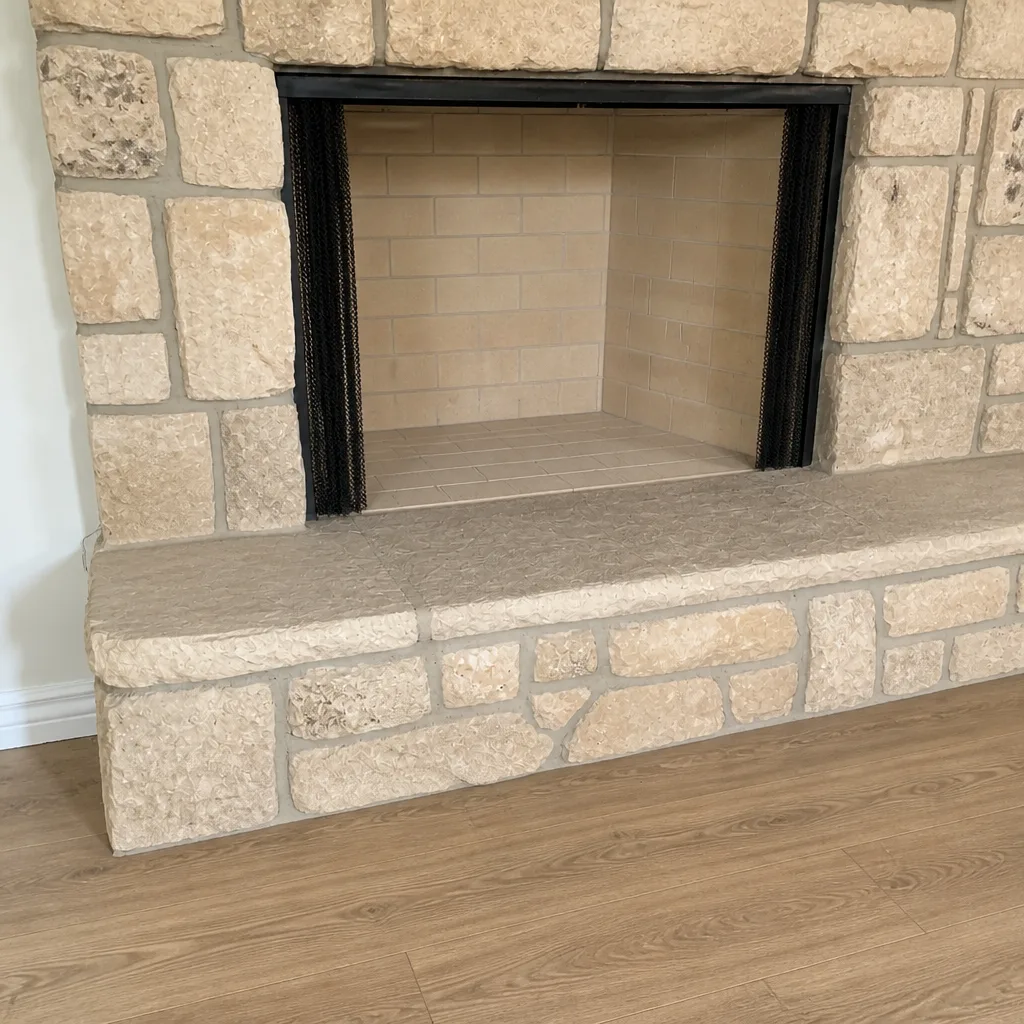
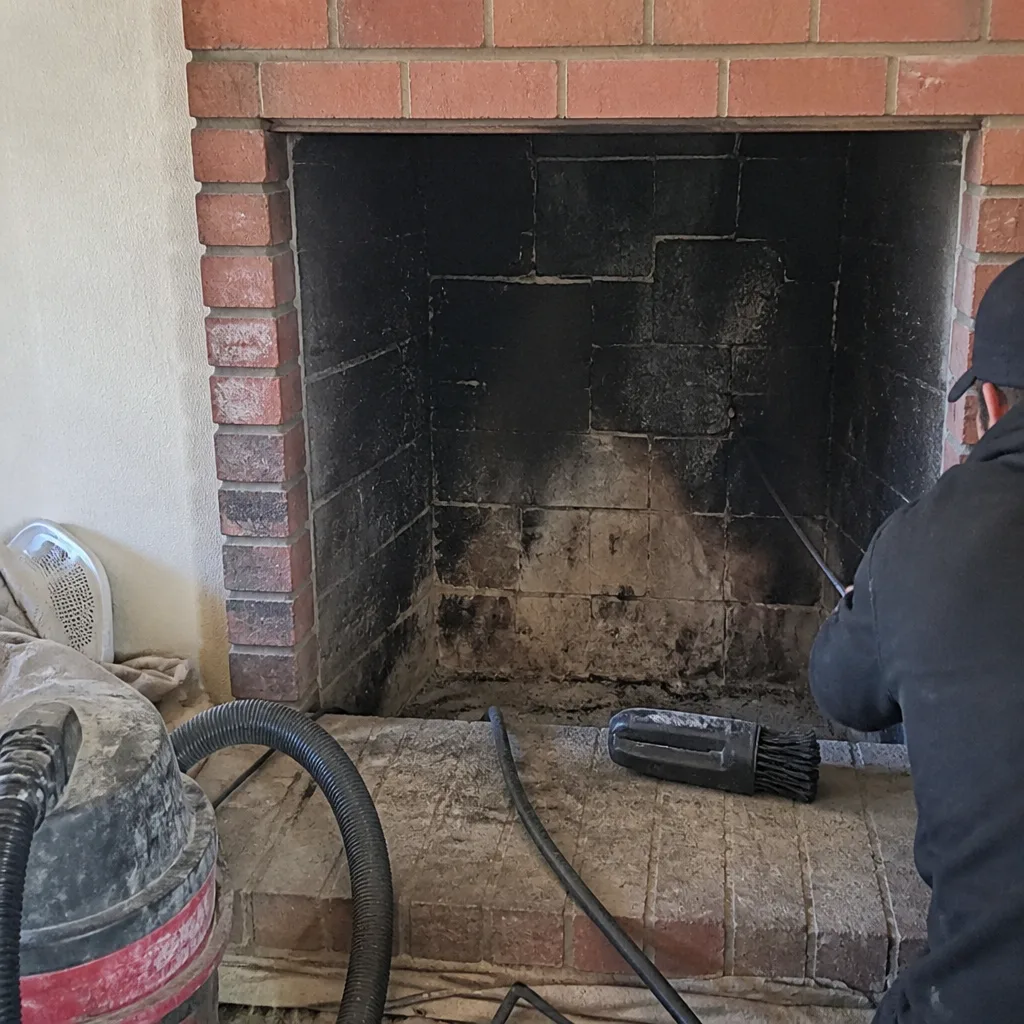
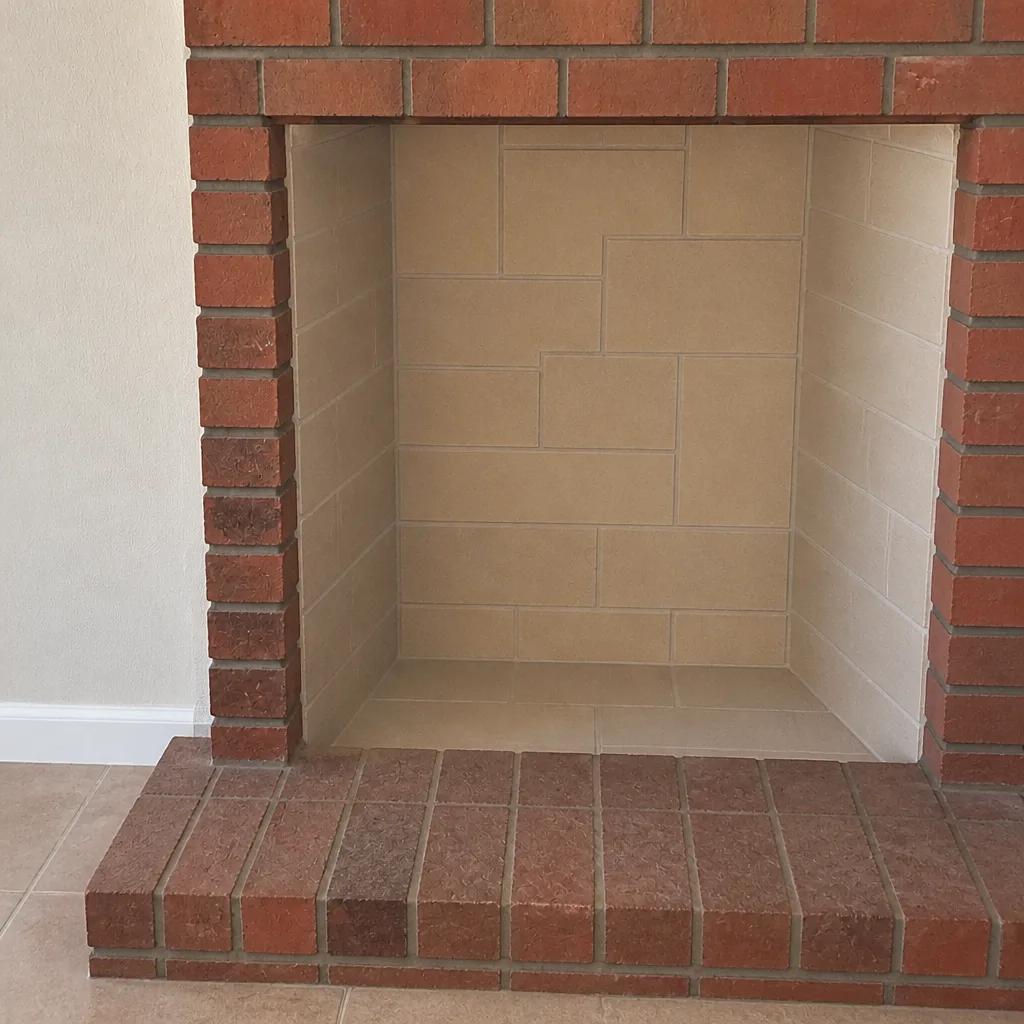
See the difference
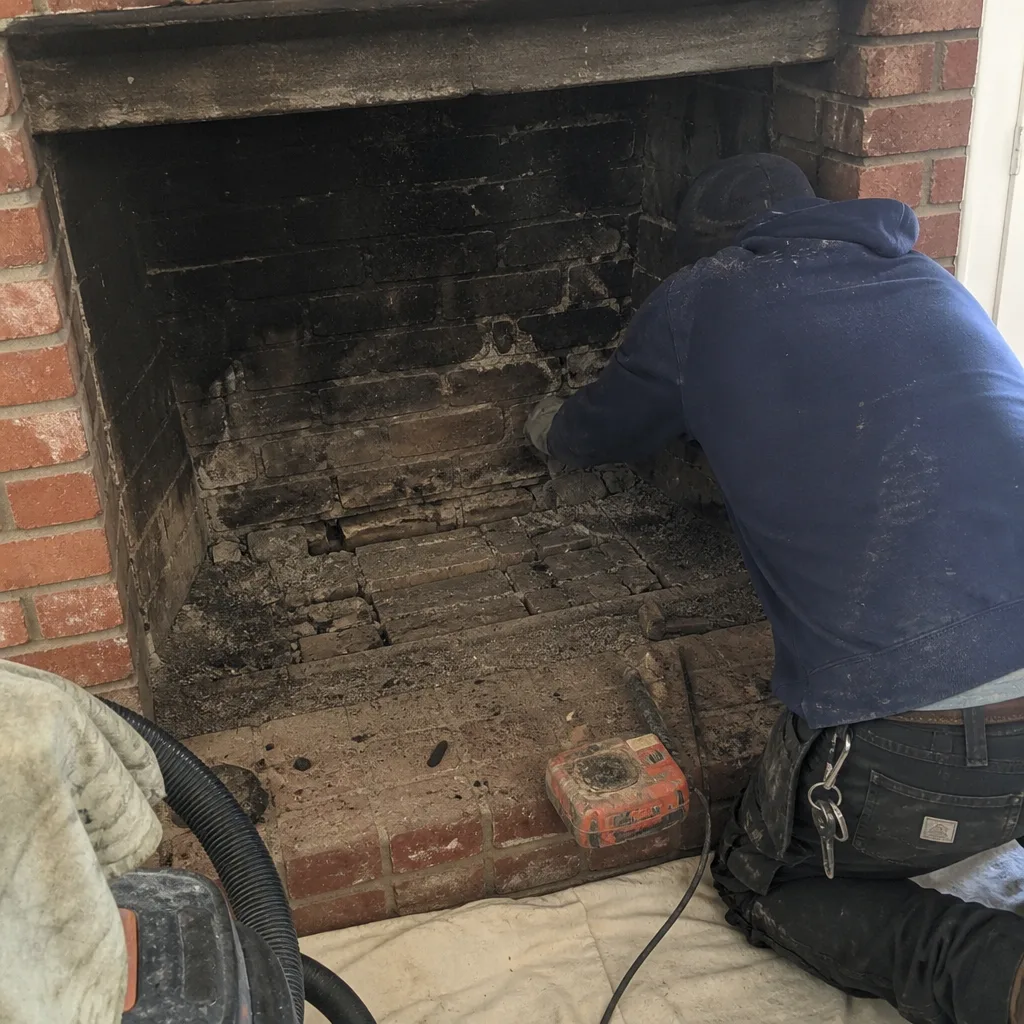 Before
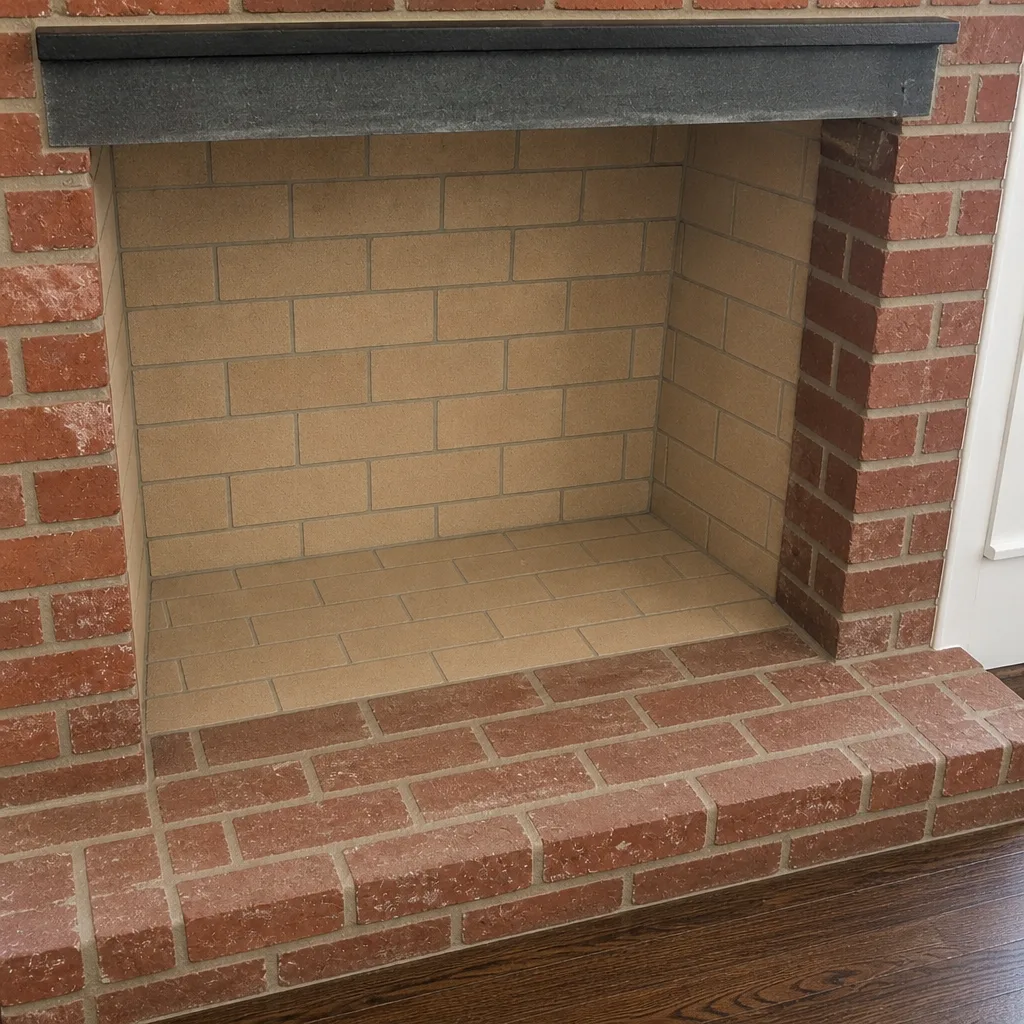 After
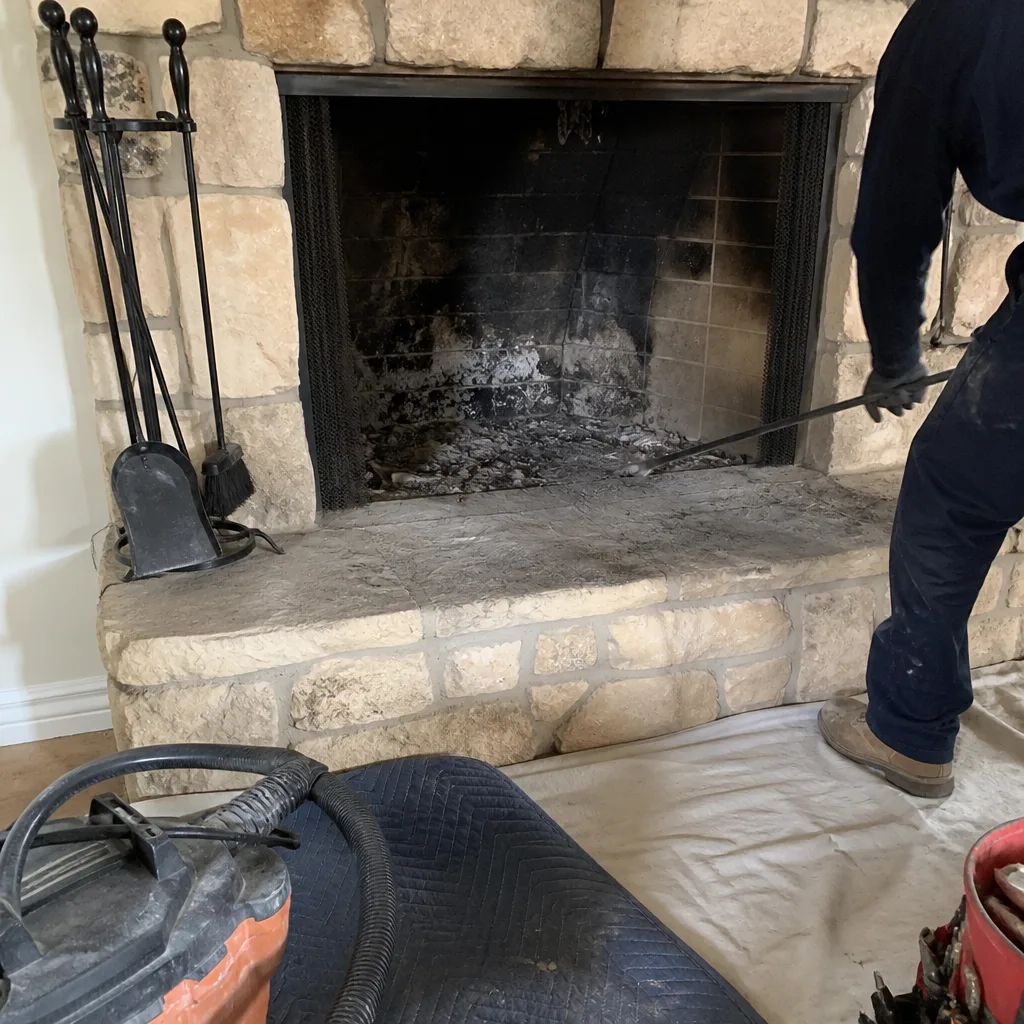 Before
 After
 Before
 After
When to Call a Professional
Some things are a checklist; some are a phone call. Call a professional when the damper sticks or smoke backs up into the room, when you see daylight through mortar joints or a crumbling crown, or when the flue has visible glazed buildup. Call when the cap is loose, damaged, or missing. Call after a storm that disturbs the roof or chimney. Call when a carbon monoxide alarm sounds; leave the building and call from outside first. And call before you burn something that’s never been inspected. For a fireplace in Modesto, the Modesto Chimney Sweep team handles inspection, sweeping, and repair start to finish, so a problem found during cleaning gets fixed in the same visit when possible. Estimates are free: call (855) 360-6515. We answer 24/7. Fast dispatch from 7am to 7pm, Sunday through Friday. If you’re comparing providers across the Modesto area, ask each one whether they inspect with a camera, offer relining and resurfacing, and put their findings in a report you keep.
Frequently Asked Questions
Sweep once a year, or after about one cord of wood, whichever comes first, and have the chimney inspected annually regardless. If you burn little, the inspection may show the sweep can wait a year or two. Call (855) 360-6515 for an exact quote; estimates are free.
You need a new liner when the inspection shows cracks, gaps, or spalling that let gases escape the flue, and not before. Ask to see the camera images and the report. A liner flaw that isn’t yet a safety concern can be monitored and scheduled. Call (855) 360-6515 for an exact quote; estimates are free.
A skipped inspection lets a small problem, a cracked liner or a loose cap, go unaddressed until it becomes an expensive one. It also leaves you without a fire-safety and carbon monoxide check. Call (855) 360-6515 for an exact quote; estimates are free.
Once a year for inspection, at minimum. Gas produces little visible soot, but the flue still sees moisture, corrosion, and blockages that need a professional look. Call (855) 360-6515 for an exact quote; estimates are free.
Often it doesn’t need a sweep; it needs an inspection to confirm. In a mild climate, low-use fireplaces accumulate creosote slowly, so the inspection is the anchor and the sweep happens when warranted. Call (855) 360-6515 for an exact quote; estimates are free.
Cleaning a flue you haven’t inspected risks brushing a damaged liner or cap back into worse shape, and it gives you no read on liner condition. A professional sweep inspects first, cleans on a confirmed-sound flue, and documents the result. Call (855) 360-6515 for an exact quote; estimates are free.
The Bottom Line
Your chimney’s maintenance schedule should follow how you actually use the fireplace, not a national average written for a colder climate. In Modesto, that usually means a pre-season check, an annual inspection, and a sweep only when the inspection calls for it (or after roughly a cord of wood). Gas appliances need the same annual look. Heavy users add a January check. Keep the reports, and compare them year to year to catch slow changes. The inspection is the anchor; the sweep is what the inspection decides. If you’re overdue, or you just want a straight answer about your chimney’s condition, call (855) 360-6515 for a free estimate. We answer 24/7. Fast dispatch from 7am to 7pm, Sunday through Friday.
Written by the team at Modesto Chimney Sweep.