
Last updated November 16, 2026
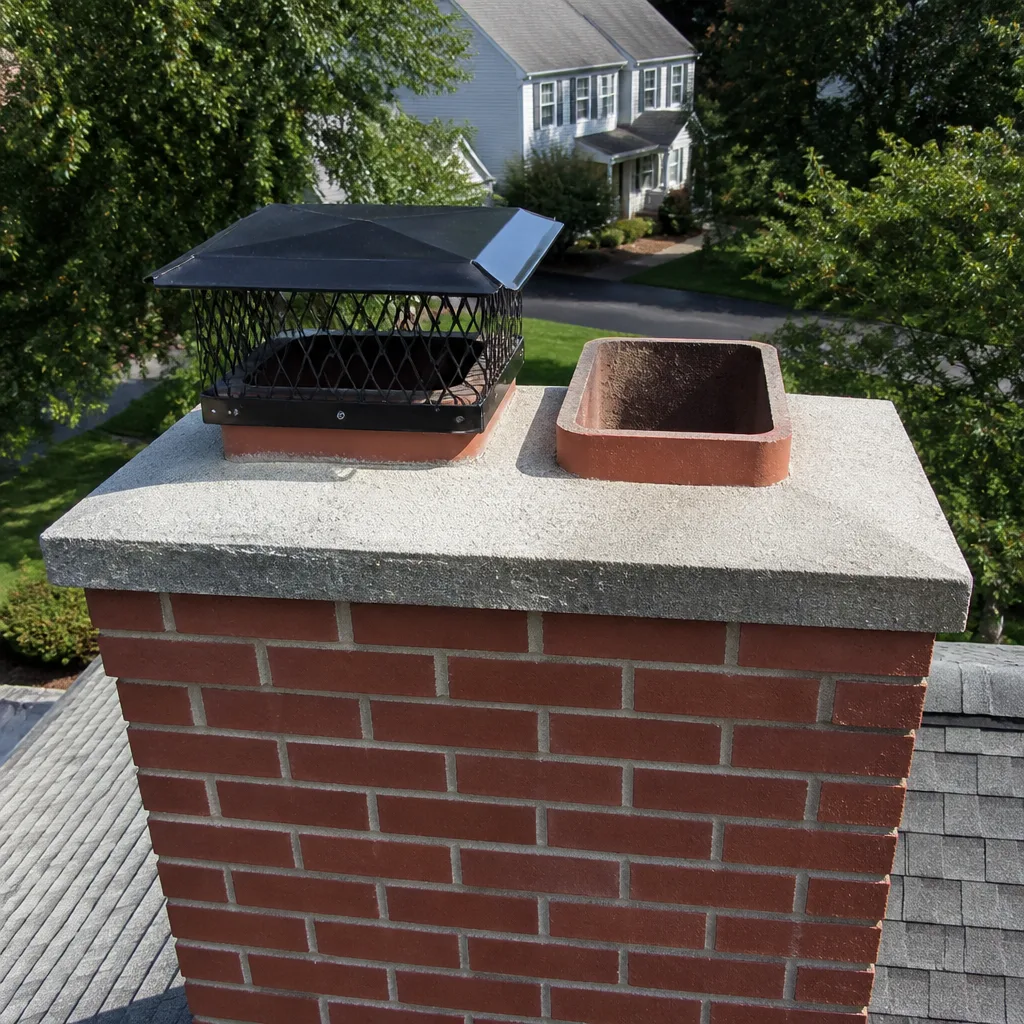 Sweep & inspection
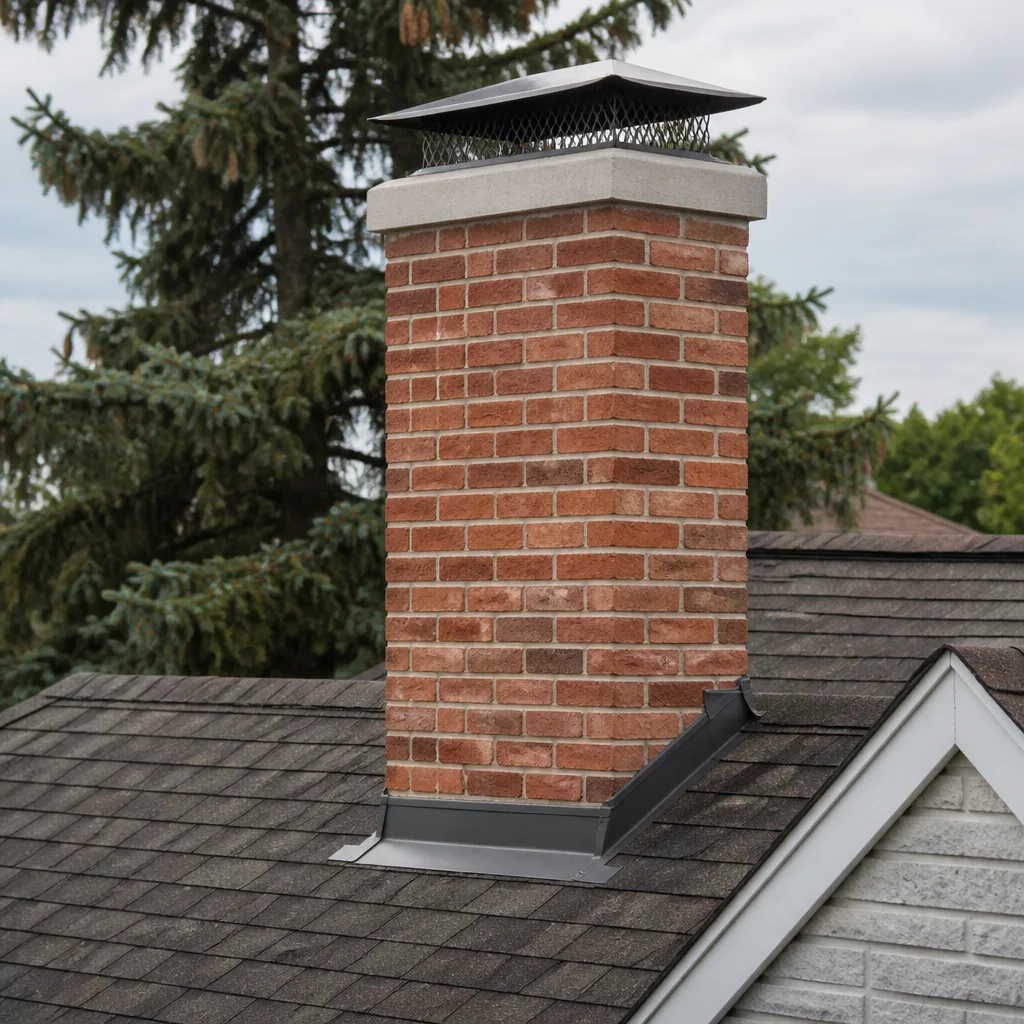 Caps & crowns
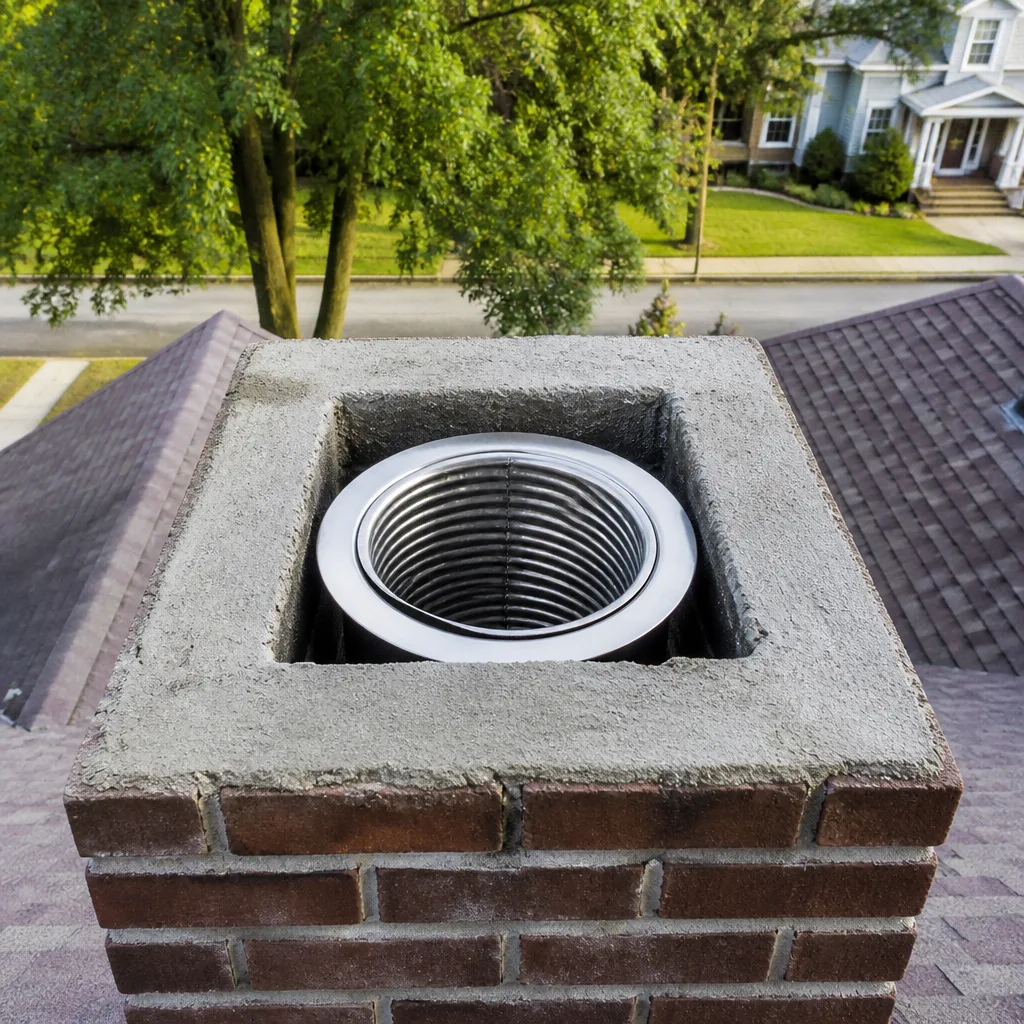 Flue relining
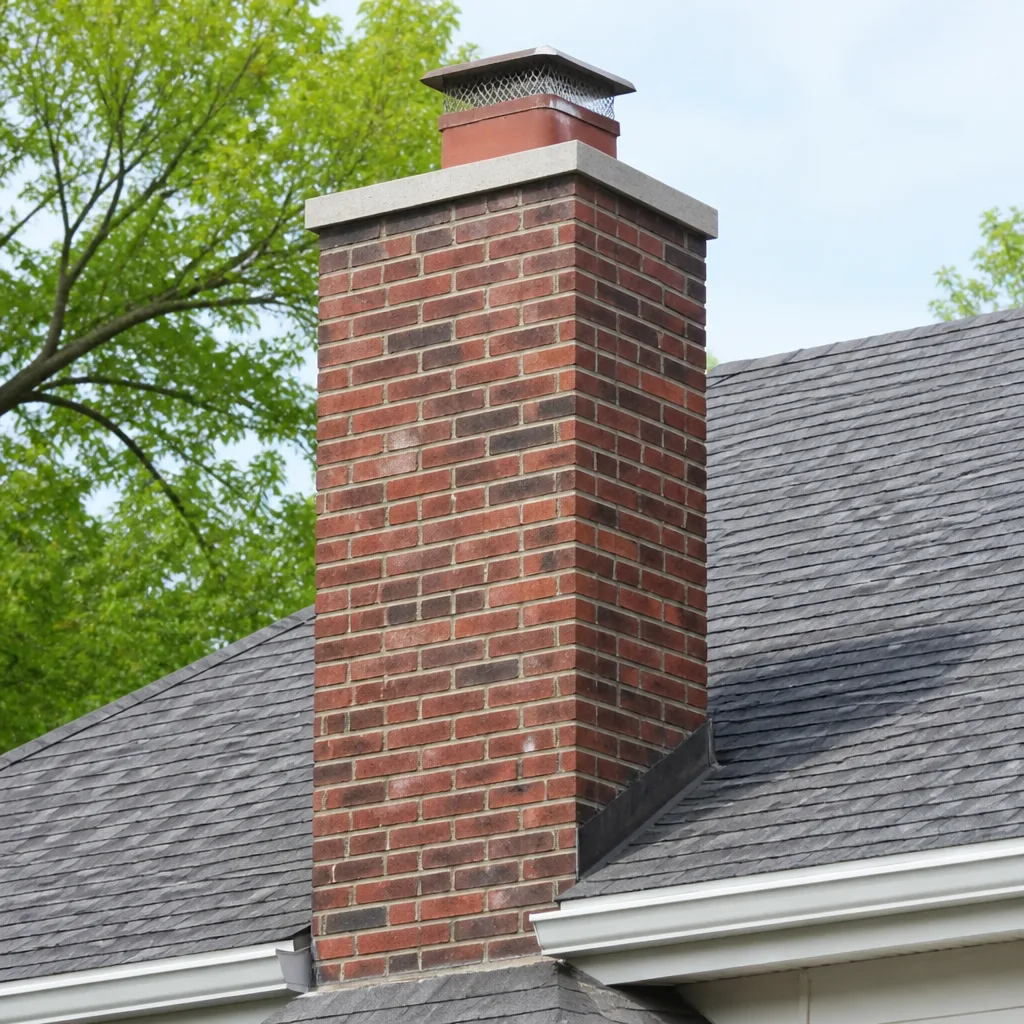 Masonry repair
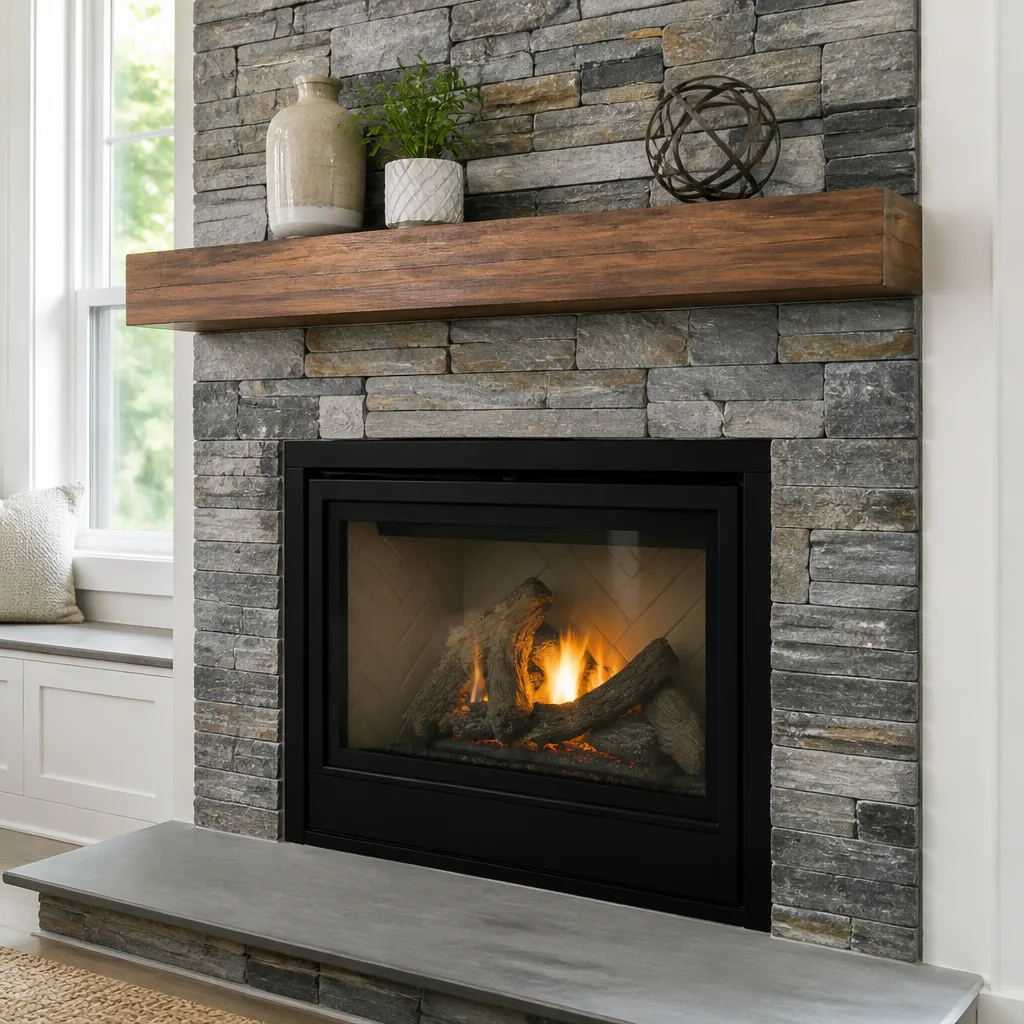 Gas fireplace service
Level 1 sweep and inspection to the NFPA 211 annual standard - flue, crown, cap, and flashing checked and photographed
Chimney sweep logs do not sweep chimneys. They loosen some creosote - which then falls where a brush and vacuum still have to collect it.
Choosing the Right Chimney Cleaning Brand: A Buyer’s Guide for Modesto
Most homeowners pick a chimney company by the logo on the van. That is backwards. The real signal sits inside the bucket, on the cap, and in the camera bag – the brands and products a technician reaches for. A sweep who names their creosote remover and explains why that specific product suits your deposit stage is showing fluency. A sweep who cannot tell you what is in the bucket is showing you something too. In this guide, we walk through the products that separate professional-tier chimney work from commodity service in Modesto, and how to read those signals before you book.
Quick Answer
The right chimney company in Modesto is the one whose product choices match your specific problem, not the one with the biggest ad. Look for named, professional-grade systems – ACS or poultice for creosote, HeatShield Cerfractory for flue repair, DuraFlex for relining, ChimneySaver and CrownCoat for masonry sealing, and Wohler or Sooty cameras for inspection. Fluency with those brands, backed by photo documentation, tells you the contractor is a specialist.
Styles & brands we work with
- Sweep & inspection
- Caps & crowns
- Flue relining
- Masonry repair
- Gas fireplace service
Table of Contents
- Why the Products Behind a Chimney Service Matter More Than the Sales Pitch
- Creosote Removal Products: ACS vs. Poultice and Which Stage They Target
- Crown and Masonry Sealants: ChimneySaver Water Repellent and CrownCoat
- Liner Repair and Resurfacing: HeatShield vs. Full Cast-in-Place Systems
- Inspection Equipment: What Wohler and Sooty Cameras Reveal That Mirrors Miss
- Caps and Dampers: Lyemance and Lock-Top vs. Basic Galvanized
- How to Vet a Chimney Contractor in Modesto Step by Step
- Modesto Climate, Housing Stock, and Why Product Choice Matters Here
Why the Products Behind a Chimney Service Matter More Than the Sales Pitch
Chimney work splits into two tiers. The first is commodity – brush, shop vac, and a handshake. The second is product-driven: cleaning chemistry matched to creosote stage, resurfacing systems engineered for a specific flue condition, and liner components rated for years of service. The difference shows up years later, not on the invoice.
When a technician in Modesto mentions HeatShield, ChimneySaver, or a DuraFlex liner by name and can explain why that product fits your flue, that is a fluency signal – they have worked with the material enough to have an opinion. When the answer to “what are you putting on my crown?” is a shrug, you are looking at a generalist.
There is a second reason brand knowledge matters. Product warranties travel with the material, not the contractor. A HeatShield resurfacing job carries its own manufacturer warranty. A DuraFlex liner carries its own. A Gelco or Famco cap carries its own. If the contractor does not name the brand, you cannot tell whether that warranty exists. Ask what product goes in, and get it in writing on the estimate.
We approach every job this way. Modesto Chimney Sweep inspects before we sweep, because cleaning a damaged flue without fixing it first is a safety risk, not a service. That inspection determines which products are actually on the table for your situation.
Creosote Removal Products: ACS vs. Poultice and Which Stage They Target
Creosote is not one thing. It starts as light, flaky soot and progresses through a sticky middle stage to a glazed, tar-like third stage that a brush alone cannot remove. The chemistry you apply depends on where on that ladder your flue sits. Two products cover most of the range, and they work very differently.
ACS (Anti-Creo-Soot)
ACS is a liquid catalyst. It is sprayed onto the fire or into the flue and works through the burn cycle, chemically altering the creosote so it becomes brittle and easier to brush off. It suits stage-one and stage-two deposits – the flaky and the sticky – as a pre-treatment before the sweep. It is not a replacement for brushing; it makes the brushing actually remove the deposit.
Poultice Creosote Remover
Poultice is a paste applied directly to glazed, stage-three creosote on the flue walls. It draws the hardened tar out of the masonry or liner over a dwell period, breaking down deposits that would otherwise require aggressive mechanical scraping or liner replacement. It is the heavier tool, and it is typically used when the sweep reveals glazed deposits that a catalyst alone will not move.
Which stage gets which product
- Stage one (soot and light flake): standard brushing handles this; ACS accelerates it.
- Stage two (sticky, crusty): ACS pre-treatment across a burn cycle, then brush.
- Stage three (glazed, hard, tar-like): poultice paste on the affected walls, dwell, then reassess. If the liner is compromised underneath, resurfacing or relining follows.
In our experience, a Modesto homeowner who burns seasoned wood and sweeps on a regular cadence rarely reaches stage three. A homeowner who burns unseasoned wood or damp wood – not unusual after a wet winter in the Central Valley – reaches it faster than they expect. That is why the sweep comes before the product decision, never after.
Crown and Masonry Sealants: ChimneySaver Water Repellent and CrownCoat
Masonry is porous. Brick and mortar take on moisture, and the sun pulls it back out. In Modesto’s temperature-variable climate – warm days, cool nights, a wet winter that soaks the crown and then dries it out – that cycle runs constantly, and a crown that is not properly sealed starts to crack along its edges within a season or two.
Two products set the professional standard here:
- ChimneySaver Water Repellent: a vapor-permeable sealer for brick and mortar. It sheds liquid water while letting the masonry breathe, so moisture already inside can escape instead of being trapped and spalling the brick face off.
- CrownCoat: a flexible crown coating. The crown is a horizontal concrete cap on top of the chimney, and it takes more direct weather than any other part of the structure. A rigid patch cracks as the crown moves; CrownCoat flexes with it.
What inferior sealant application looks like after one Modesto winter is not subtle. Film-forming sealers that trap moisture leave a glossy skin that blisters and peels. Thin patches on a crown crack along the repair line. Fluid-applied waterproofing that was sprayed on without prep flakes off in sheets. You can usually tell by looking up at the chimney from the yard after the first rainy season.
The rule with sealants is that prep is most of the job. Cleaning the surface, repairing cracks and joints first, then applying the right product means the sealant actually bonds. Skipping the prep is how a two-year seal job becomes a call-back. Our chimney repair work starts with that assessment, because a cracked crown and a failing flue are often the same call.
Liner Repair and Resurfacing: HeatShield vs. Full Cast-in-Place Systems
The flue liner is the wall between your home and the fire. When it cracks, gaps, or spalls, the flue stops doing its job and the chimney becomes a safety problem. The question is whether that liner needs a full replacement or a restoration, and the right answer depends on the extent of the damage.
HeatShield Cerfractory Flue Sealant
HeatShield is a factory-engineered ceramic-and-refractory flue sealant applied by a technician to the inside of the flue. It is designed for the cases where the liner is intact but compromised – cracked joints, isolated spalling, gaps between flue tiles, and moisture-related surface damage. The material is troweled or sprayed onto the flue walls and cured in place, restoring the liner without demolishing the chimney. It carries its own manufacturer warranty, and it is a legitimate, code-accepted repair, not a patch.
Where HeatShield fits:
- Cracked joints between flue tiles
- Isolated spalling on the liner surface
- Missing or deteriorated mortar at the tile seams
- Liners with enough structure left to accept a coating
Full Cast-in-Place and Flexible Liner Systems
When the liner is structurally gone – large sections of missing tile, an entirely spalled flue, an unlined chimney, or a flue that needs to be upsized for a new appliance – resurfacing is not appropriate. That is a full reline. For masonry chimneys, cast-in-place systems pour a new liner around a form. For many homes, a flexible stainless liner system is the answer, and DuraFlex is the professional-grade flexible relining solution that sweep-only companies simply do not carry.
We install DuraFlex flexible chimney liner systems for exactly that second scenario. The liner is sized to the appliance, insulated appropriately, and terminated correctly at the top and the appliance connection. The difference between a HeatShield job and a DuraFlex job is the diagnosis, and that diagnosis comes from the camera.
Inspection Equipment: What Wohler and Sooty Cameras Reveal That Mirrors Miss
A mirror and a flashlight down the flue shows you the top two feet. A professional camera system shows you the whole run – the joints, the offset, the appliance connection, and everything in between. That is the difference between an inspection and a guess.
Wohler and Sooty camera systems are the two industry-standard tools for this work. Both are push-rod cameras with articulating heads, lighting built for dark flues, and recording capability. The recording is the part that matters for you as the homeowner.
What a camera reveals
- Cracked or displaced flue tiles at joints you cannot see from the top or bottom
- Missing mortar or gaps where the appliance connector meets the flue
- Glazed creosote on the flue walls at stages the eye cannot reach
- Obstructions – nests, debris, a collapsed tile, a deteriorated damper
- Signs of a previous repair that was done poorly or with the wrong material
Why documentation matters for homeowners
A photo report changes the conversation. When a technician recommends a reline or a resurfacing job, they should be able to show you the footage that justifies it. Without the footage, you are trusting an opinion. With it, you are looking at evidence. That is the honest answer to the real hesitation: being told you need thousands of dollars of liner or masonry work you have no way to verify. Nothing should be recommended without camera evidence you can see for yourself, and a good contractor will tell you plainly when work can safely wait.
Every inspection we run in Modesto is documented, and the report stays with you, not with us. Our chimney sweep starts with that camera run before a single brush goes up the flue.
Caps and Dampers: Lyemance and Lock-Top vs. Basic Galvanized
A chimney cap is the cheapest line of defense in the entire system. It keeps rain, birds, squirrels, and debris out of the flue, and it keeps sparks off the roof. The wrong cap does none of that well, and the right one lasts as long as the chimney does.
Basic galvanized caps
Galvanized steel is a thin zinc coating on sheet steel. In Modesto’s temperature-variable climate, with warm sun and cool nights working the metal, the coating eventually fails at the welds and seams, rust starts, and the cap begins to fall apart. A cheap galvanized cap has a service life measured in a few years before it needs replacement. It is the product you see rusting on chimneys throughout the Central Valley.
Lyemance and Lock-Top damper systems
Lyemance and Lock-Top are top-sealing damper systems. Instead of a throat damper at the firebox that leaks and warps, the damper seals at the top of the chimney. That eliminates the biggest heat-loss path in a wood-burning system, stops the chimney from acting as an open hole into the house, and closes off the flue against animals and weather when the fireplace is not in use. Both systems are engineered, branded products with manufacturer backing, not fabricated hardware-store parts.
For caps specifically, we install Gelco and Famco product lines. These are stainless and heavy-gauge steel caps built to the dimensions of the flue, with proper screening and a multi-point mount, not the one-size-fits-all galvanized units. The right cap stops the problem before it starts.
How to Vet a Chimney Contractor in Modesto Step by Step
You can run this checklist in a single phone conversation and a look at the written estimate. It is designed to reveal whether the contractor is a product-driven specialist or a commodity operator.
- Ask what they inspect with. If the answer is “a mirror and a flashlight,” that is the ceiling of the inspection. A camera-based inspection is the standard.
- Ask for the camera report. A professional provides photo or video documentation of the flue. If they recommend work, they show you the evidence.
- Ask what creosote product they use and why. ACS, poultice – either is fine. “We just brush it” tells you the chemistry is not in scope.
- Ask what they seal a crown with. ChimneySaver and CrownCoat are the professional standard. A generic “masonry sealer” from a paint aisle is not.
- Ask what liner system they install. DuraFlex for flexible relining, HeatShield for resurfacing. A sweep-only company cannot answer this because they do not carry the capability.
- Ask who does the repair. If the answer is “we refer that out,” you are hiring a dispatcher, not a specialist. One crew for inspection, cleaning, and repair eliminates the coordination.
- Ask for the written estimate. The price is set per job by the written estimate, and it should name the products going in.
If a contractor clears all seven, you are looking at a professional-tier operation. If they clear four or five, you are looking at a sweep. That is not a bad thing – it just means the repair capability is not there when the inspection finds a problem.
Modesto Climate, Housing Stock, and Why Product Choice Matters Here
Modesto has a climate that is hard on masonry in a specific way. Summers are long and dry; winters are wet but mild. That combination – dry heat pulling moisture out of brick and mortar, then a wet season soaking it back in – cycles the chimney structure year after year. A poorly applied sealant fails at the surface first, and that is where the spalling starts.
The housing stock here runs from older masonry chimneys in established neighborhoods to prefab and factory-built systems in newer construction. The Masonic and La Loma neighborhoods, the older homes around downtown, and the newer subdivisions on the edges of town all have different chimney profiles, and the product decisions differ with them:
- Older masonry chimneys often need HeatShield resurfacing before relining becomes necessary, and the crown and masonry sealants are the first line of defense.
- Prefab and factory-built fireplaces need appliance-specific liners and caps rated for the system, not generic materials.
- Gas appliances vented through chimneys need a liner compatible with the flue gases, and a top-sealing damper is a practical addition.
In our experience, product choice in Modesto is not a luxury. It is the difference between a repair that lasts through several wet seasons and one that fails after the first. That is exactly why we source components from Copperfield, Olympia Chimney, Gelco, and Famco – brands specified by chimney industry professionals because they hold up.
Common Mistakes to Avoid
- Hiring on price alone. The cheapest quote in Modesto is usually a sweep with a brush and no products behind it. You save a few dollars and lose the diagnosis that determines whether your flue is safe.
- Accepting a recommendation without photos. If a contractor tells you that you need a full reline and cannot show you the camera footage, ask for it. A repair you cannot verify is a conversation, not a diagnosis.
- Using a hardware-store sealant on a crown. Film-forming sealers that trap moisture look fine for one season in Modesto and fail in the second. ChimneySaver and CrownCoat are the standard for a reason.
- Assuming a brush alone handles stage-three creosote. Glazed creosote is tar. Brushing it does not remove it, and pretending it does leaves a fire hazard in the flue.
- Skipping the camera inspection because the chimney “looks fine.” The damage that matters is inside the flue, and it is not visible from the firebox or the roof.
- Replacing a cap with another galvanized unit. In Modesto’s climate, the cheap cap fails within a few years. A stainless or heavy-gauge Gelco or Famco cap is a one-time installation.
- Letting a sweep-only company “refer out” the repair. That means you coordinate another contractor, another inspection, and another schedule. One crew for inspection, cleaning, and repair is the whole point.
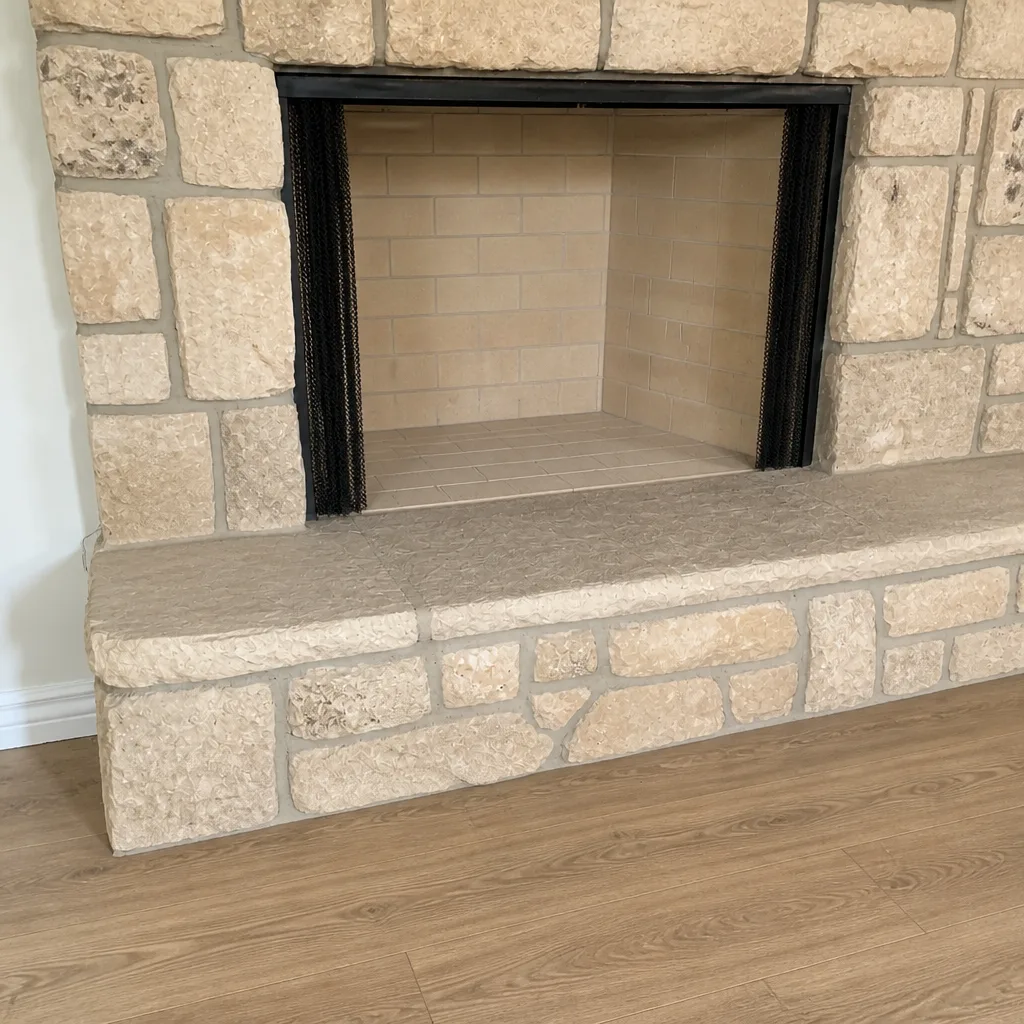
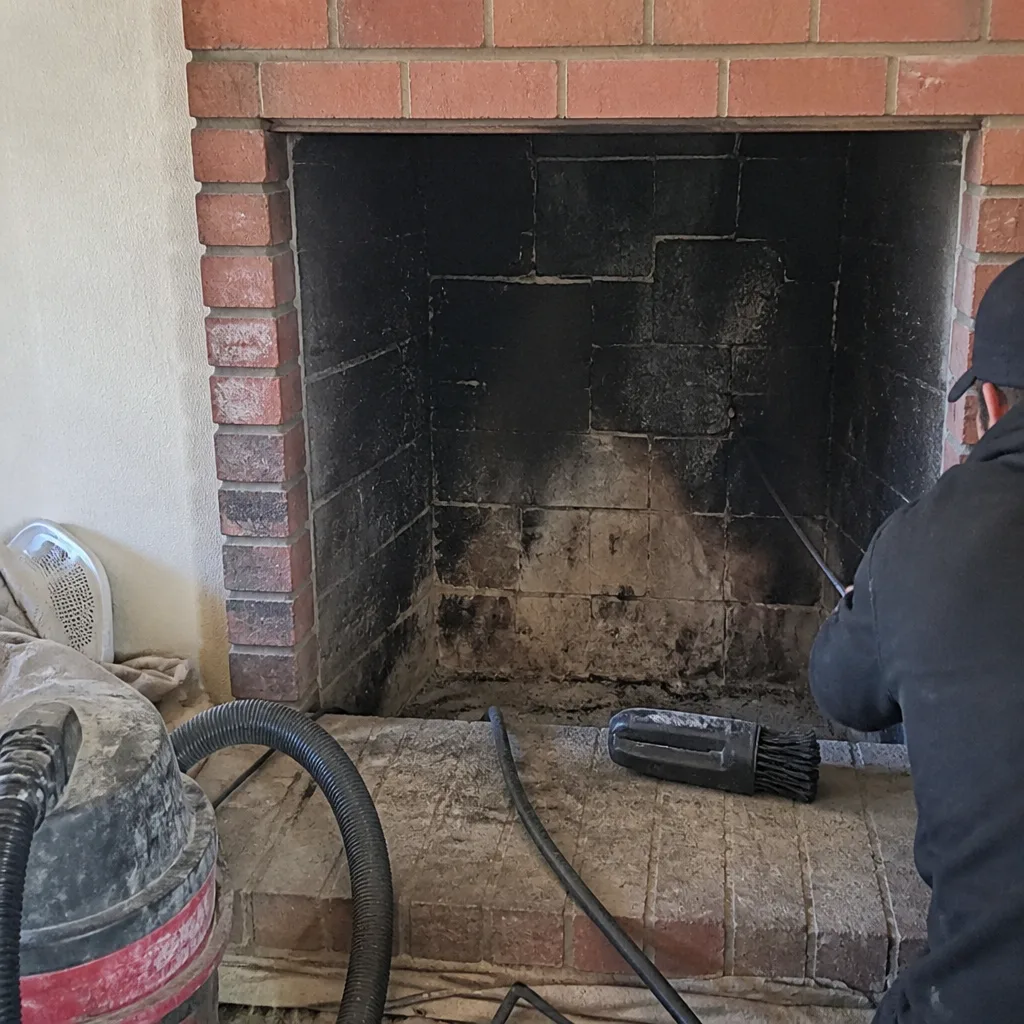
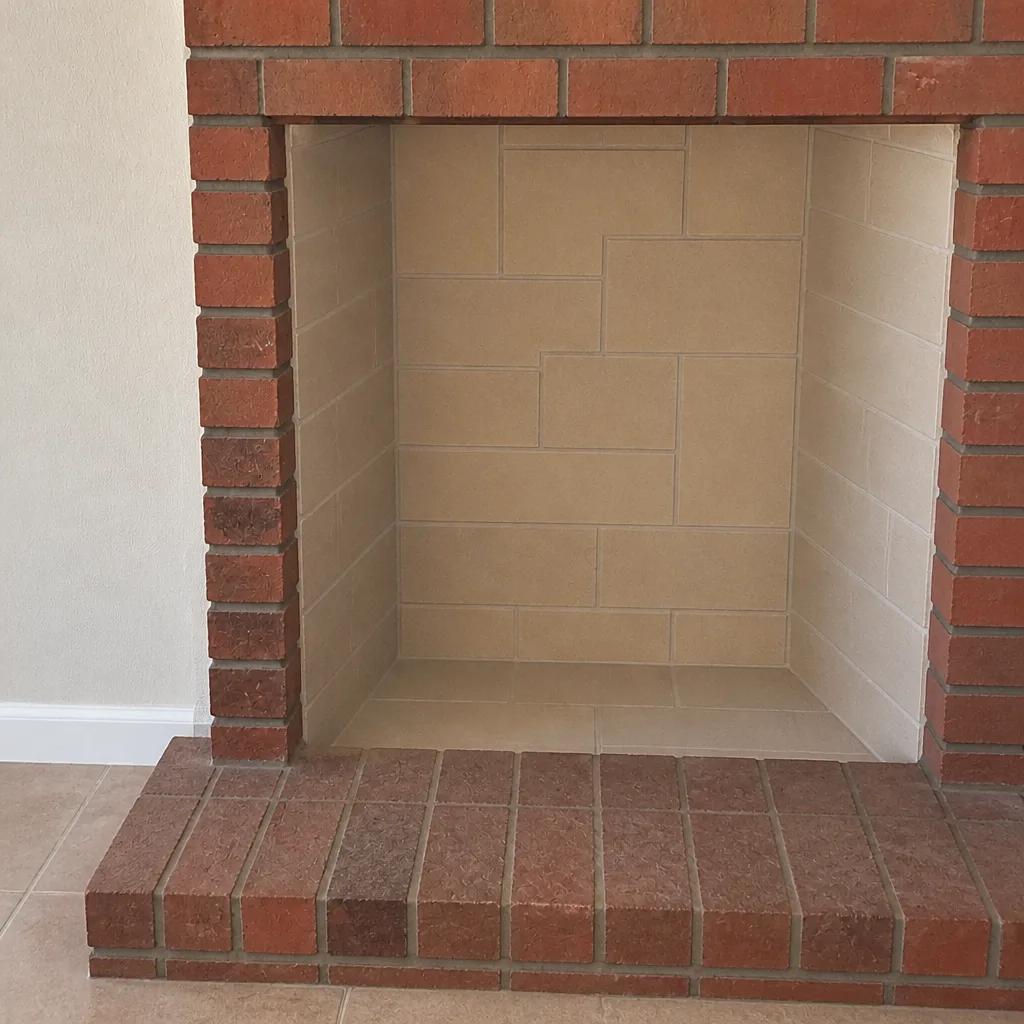
See the difference
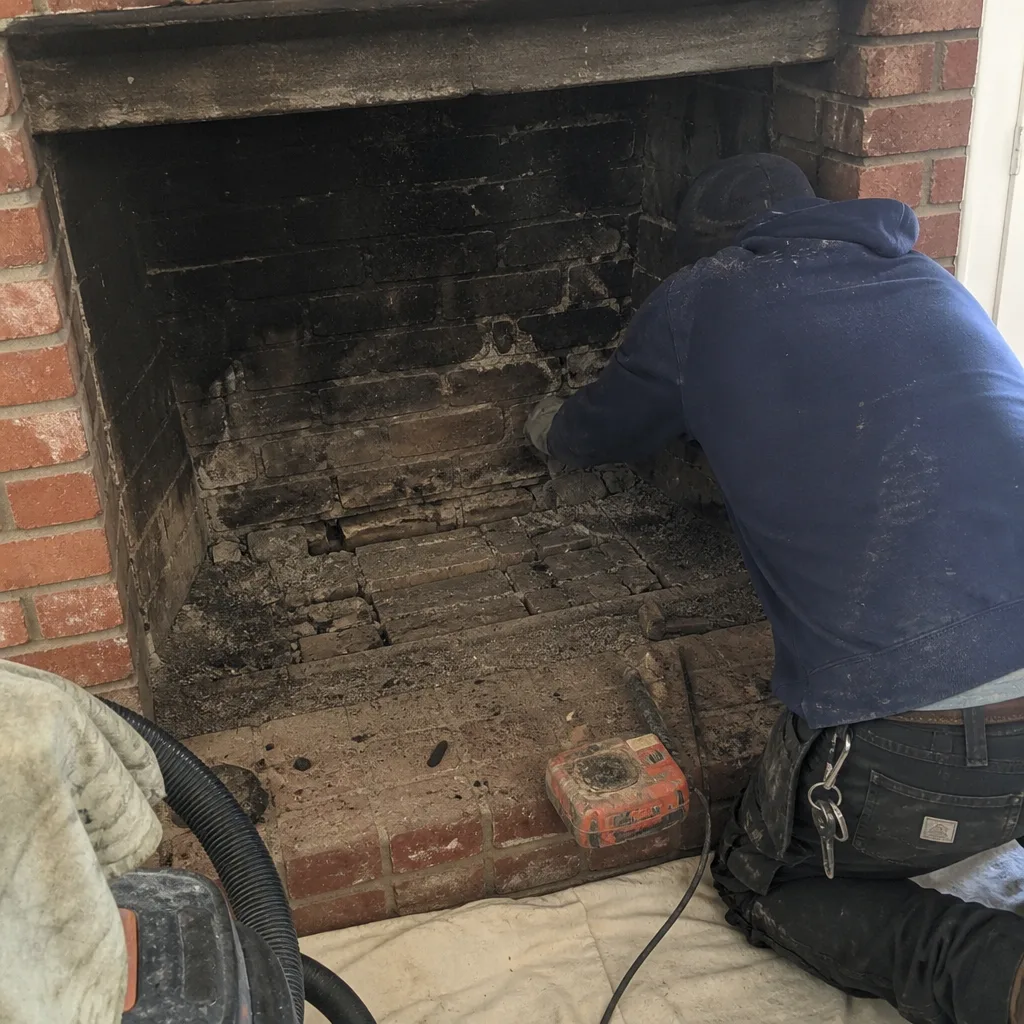 Before
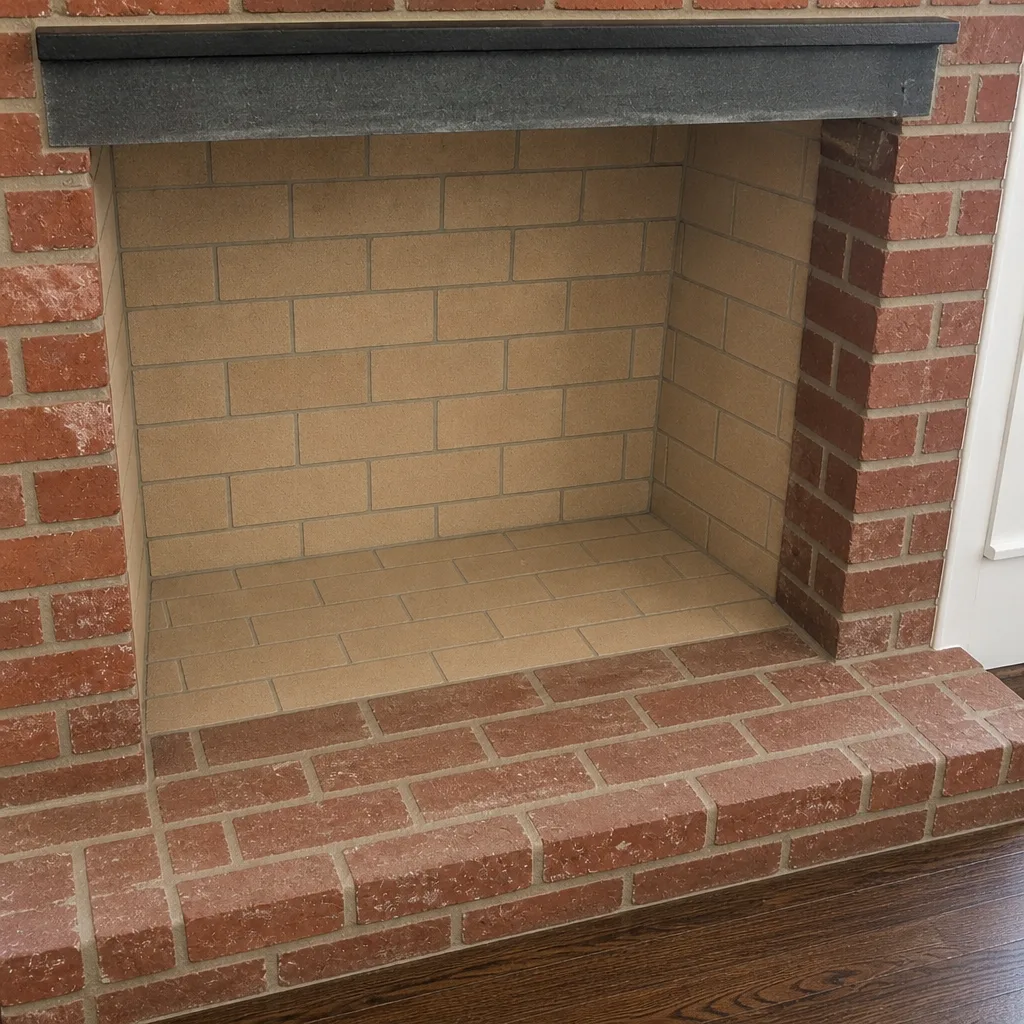 After
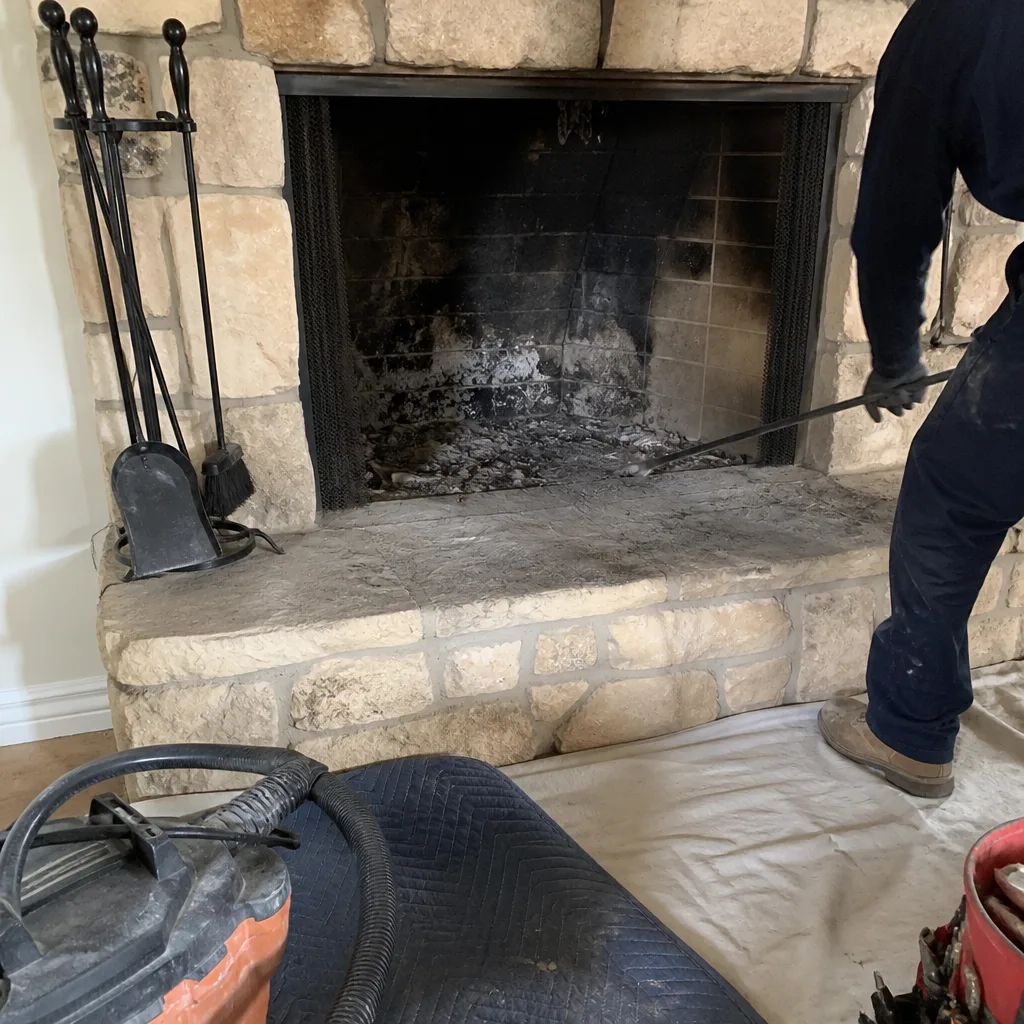 Before
 After
 Before
 After
When to Call a Professional
Call a professional when the flue has never been inspected with a camera, when the last sweep found glazed creosote, or when you have noticed water staining on the chimney exterior after a wet winter. Call when the crown is cracked, when the cap has rusted out, or when a fire has smoked back into the room. Call when you have no record of a sweep for several burning seasons, and before you light the fireplace for the season if it has sat unused. These are all situations where a camera inspection and a documented report are the right first step, not a guess from the living room. Modesto Chimney Sweep offers free estimates in Modesto – call (855) 360-6515. We answer 24/7. Fast dispatch from 7am to 7pm, Sunday through Friday.
Frequently Asked Questions
There is no single “best” brand; the right product depends on the problem. That said, the professional standard includes HeatShield for flue resurfacing, DuraFlex for flexible relining, ChimneySaver Water Repellent and CrownCoat for masonry and crown sealing, ACS and poultice for creosote chemistry, Wohler and Sooty for inspection cameras, and Gelco, Famco, Copperfield, and Olympia Chimney for caps and components. If a contractor names these fluently and explains which one fits your flue, you are working with a specialist. Call (855) 360-6515 for an exact quote – estimates are free.
Resurfacing works when the liner is intact but compromised – cracked joints, isolated spalling, moisture damage – and a full reline is needed when the liner is structurally gone. HeatShield Cerfractory handles the first case. A DuraFlex flexible liner handles the second. The determination should always come from a camera inspection with a photo report you can see. If the flue has enough structure left, resurfacing restores it without tearing out the chimney. Call (855) 360-6515 for an exact quote – estimates are free.
Because the climate works the metal. Warm sun and cool nights cycle the surface, and a thin galvanized coating fails at the welds within a few years. A stainless or heavy-gauge Gelco or Famco cap is built for that cycle and holds up over the long run. The failure you see is rust at the seams, followed by the screen pulling loose and the cap becoming a re-service call. Call (855) 360-6515 for an exact quote – estimates are free.
Ask them to name the products and explain why. A professional will tell you which creosote remover they use and why, which sealer goes on a crown, and which liner system they install. A commodity operator will give you a general answer. The written estimate should also name the products going in, and manufacturer warranties travel with the material, not the contractor. Call (855) 360-6515 for an exact quote – estimates are free.
It shows the full run of the flue, including the middle section that no mirror reaches. That means cracked tile joints, missing mortar at the appliance connection, glazed creosote at stages you cannot see from the top or bottom, obstructions, and evidence of a previous repair that was done poorly. The footage is also the documentation that justifies any recommended repair – so you can see the evidence instead of taking it on faith. Call (855) 360-6515 for an exact quote – estimates are free.
That is the practical reason to hire a full-lifecycle specialist rather than a sweep-only crew. Inspection, cleaning, and repair handled by the same crew means problems found during the sweep are addressed in the same visit when possible, with no coordination between contractors. Sweep-only companies do not carry liners or resurfacing systems, so a repair becomes a referral and a second appointment. Call (855) 360-6515 for an exact quote – estimates are free.
The Bottom Line
Brand knowledge is the fastest filter for separating professional-tier chimney work from commodity service in Modesto. The products a contractor uses – ACS or poultice for creosote, HeatShield for resurfacing, DuraFlex for relining, ChimneySaver and CrownCoat for masonry, Wohler and Sooty for inspection, and Gelco, Famco, Copperfield, or Olympia Chimney for components – tell you what tier of work you are buying before the first brush goes up the flue. Ask what is in the bucket, ask for the camera report, and ask which product goes on your crown. The answers will tell you everything.
If you want a straight answer on what your chimney actually needs, that is what we do. One crew. Inspection, cleaning, and repair – start to finish. Our technicians have up to 9 years of experience, and every job starts with a camera inspection and a report you keep. Call (855) 360-6515 for a free estimate. We answer 24/7. Fast dispatch, 7am-7pm, Sunday through Friday.
Written by the team at Modesto Chimney Sweep.