
Last updated November 16, 2026
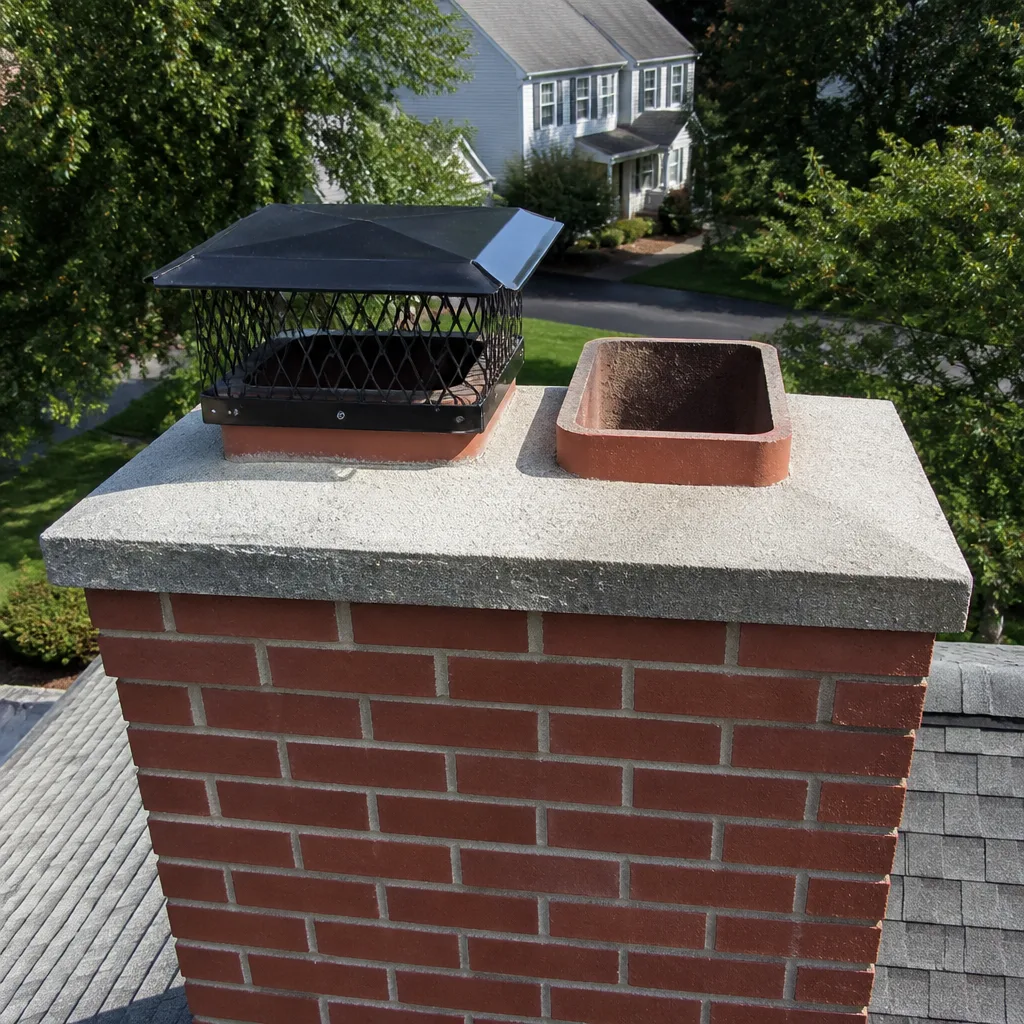 Sweep & inspection
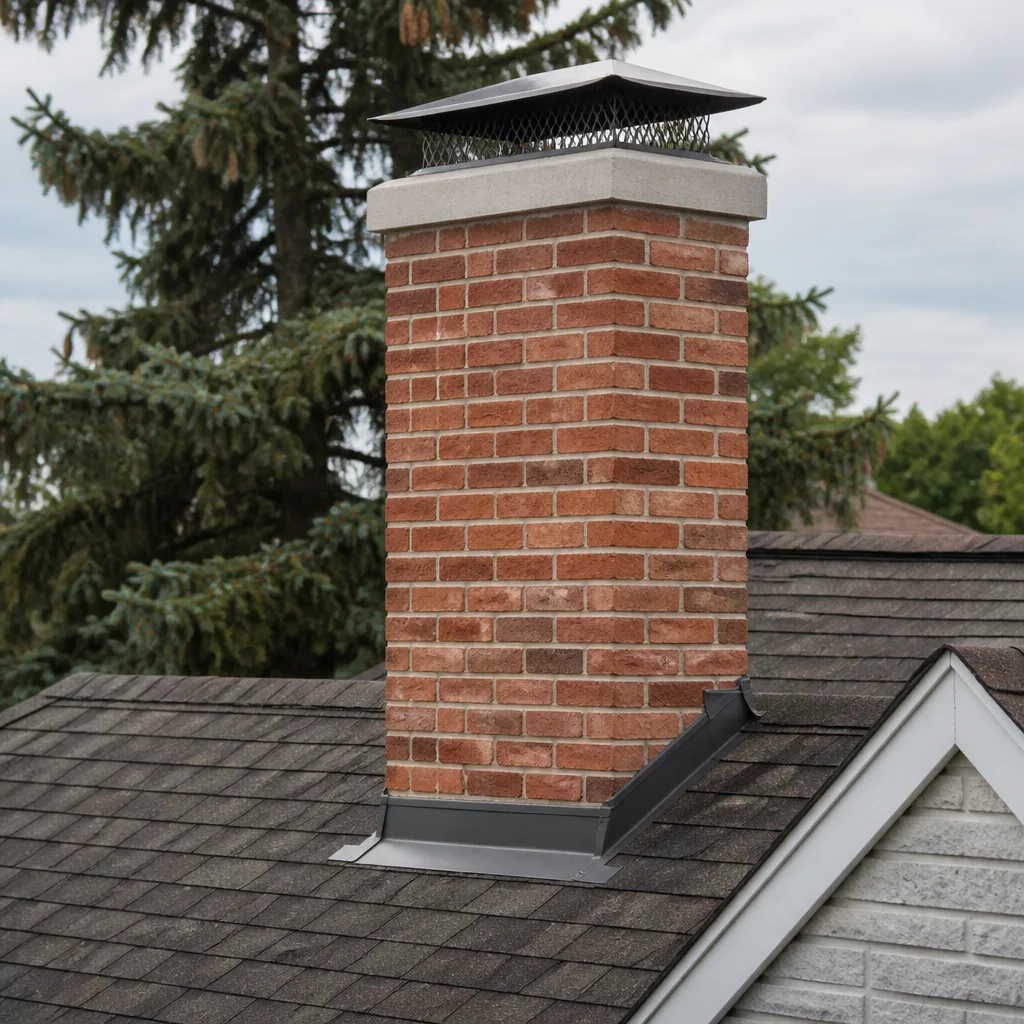 Caps & crowns
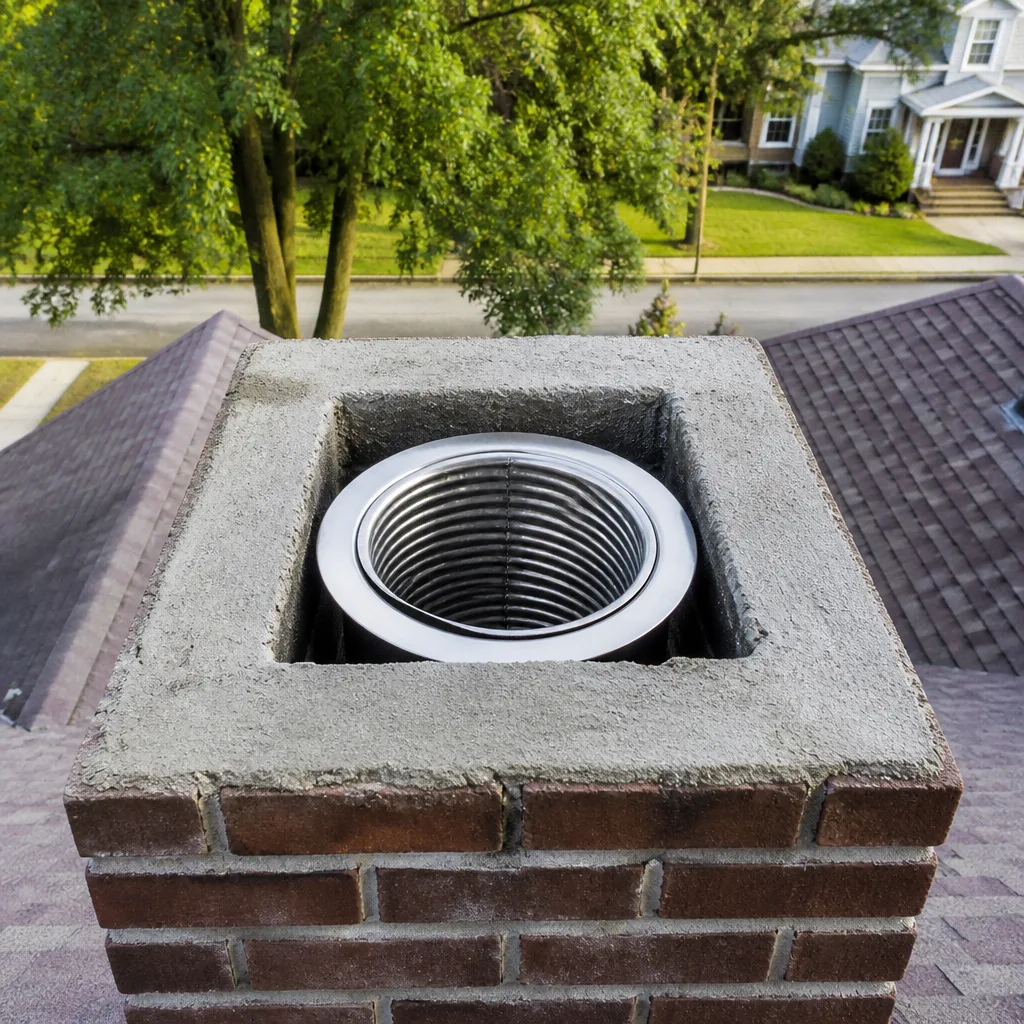 Flue relining
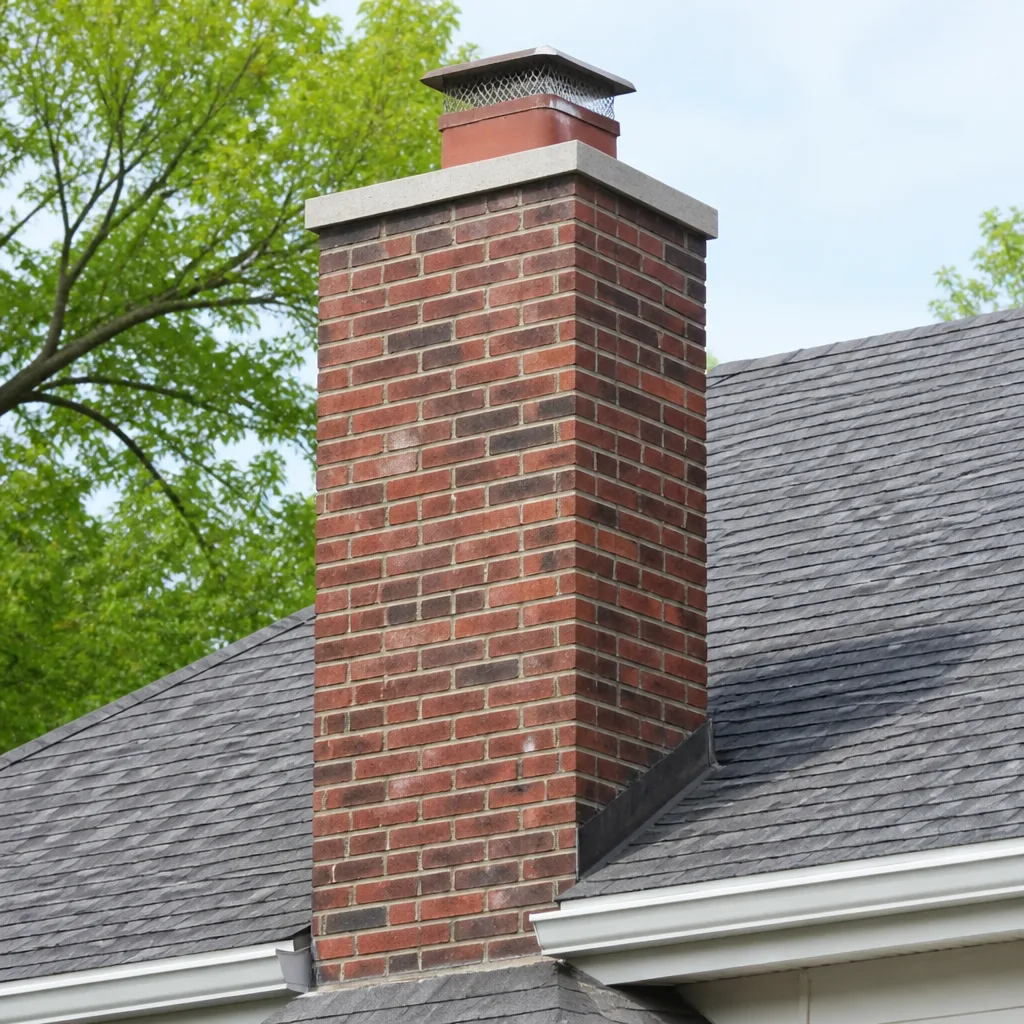 Masonry repair
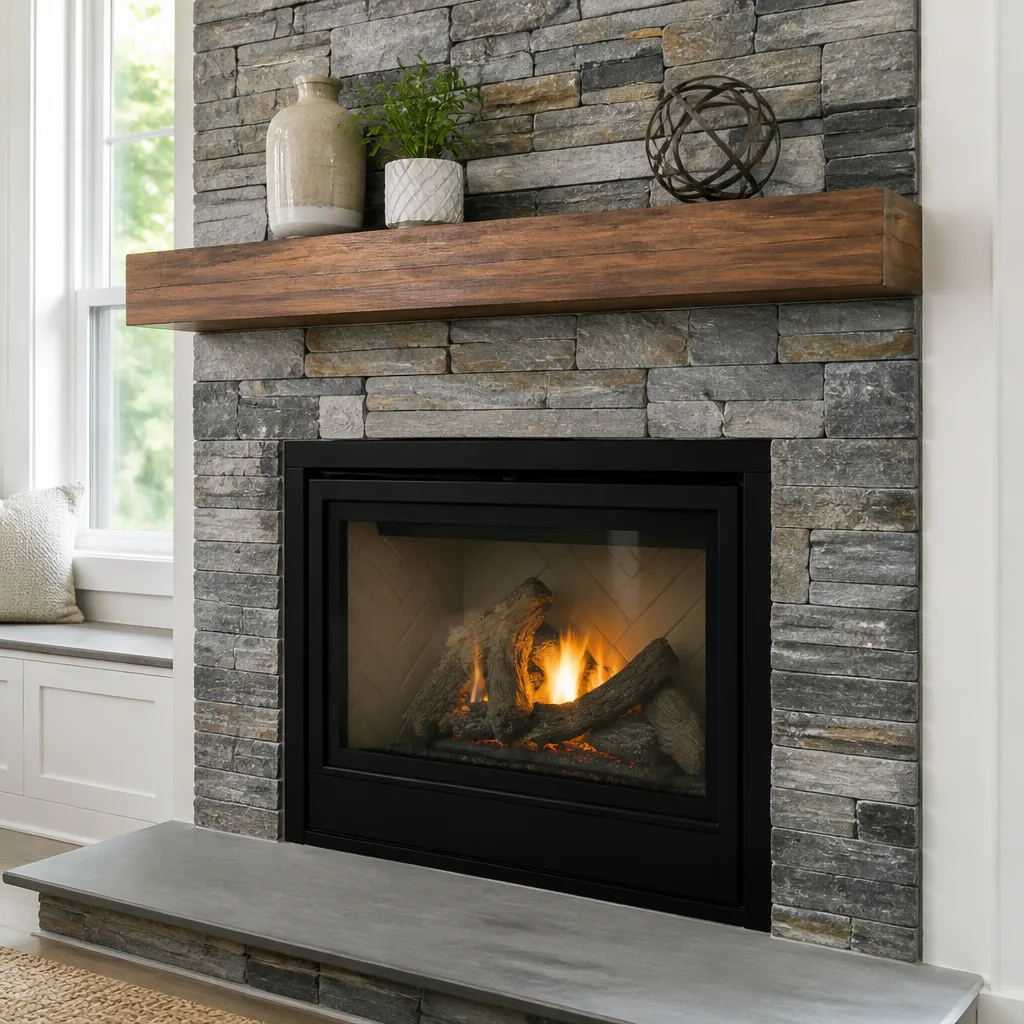 Gas fireplace service
Level 1 sweep and inspection to the NFPA 211 annual standard - flue, crown, cap, and flashing checked and photographed
Chimney sweep logs do not sweep chimneys. They loosen some creosote - which then falls where a brush and vacuum still have to collect it.
The Complete Guide to Chimney Cleaning in Modesto
Most homeowners in Modesto book a chimney sweep and assume a clean flue is a safe flue. Soot removal is the visible part of the job, but the creosote you can see is rarely the thing that puts a house at risk. The cracks in firebox mortar, the spalling brick, the deteriorated liner joint you can’t see from the hearth: those are the real fire and carbon monoxide hazards, and a sweep that stops at soot removal misses them entirely. In this guide, we’ll walk through what a proper chimney cleaning actually involves in Modesto, why the Valley’s heat cycles matter, how creosote stages change the method, and what your cleaning report should document. You’ll finish knowing what to ask and what to expect.
Quick Answer
A chimney cleaning in Modesto is a diagnostic event, not just a soot-removal job. The sweep removes creosote and debris, but the real value is the inspection that follows: liner condition, smoke chamber, damper operation, and firebox floor are documented so you know the structural health of the flue. Without that report, a clean chimney can still be an unsafe one. Call (855) 360-6515 for a free estimate on cleaning and inspection together.
Styles & brands we work with
- Sweep & inspection
- Caps & crowns
- Flue relining
- Masonry repair
- Gas fireplace service
Table of Contents
- Why Modesto Chimneys Age Faster Than You’d Expect
- The Three Stages of Creosote and Why They Matter
- What a Professional Cleaning Actually Includes
- What a Post-Cleaning Inspection Should Document
- How the Wood You Burn Changes Your Cleaning Schedule
- Cleaning Receipt vs. Cleaning Report: The Difference That Protects You
- How Often to Clean a Chimney in Modesto
- What Chimney Cleaning Costs in Modesto
Why Modesto Chimneys Age Faster Than You’d Expect
Modesto summers regularly reach 100°F, and winters bring damp tule fog that settles into the Valley for days. That swing is hard on masonry. Mortar expands in the heat and contracts as the fog rolls in, and every cycle loosens the joint a little more. Left alone across several seasons, a hairline crack at the firebox becomes a path for moisture, then for smoke, then for carbon monoxide into the living space. This is why we treat cleaning as a chance to look at the whole system, not just the flue interior.
The fog matters in a second way. Damp, cool air sitting over a chimney that hasn’t been used since spring creates condensation inside the flue. That moisture combines with the sulfur and carbon residue left from the last burn season and forms mild acids that eat at mortar and at clay tile joints. A chimney in Modesto that sits idle from April to October is not resting; it’s weathering.
We also see the effect on caps and crowns. A cap that’s slightly loose in spring can be shifted by the first big wind of fall, and once water gets behind it the damage compounds. When we install a cap, we use Modesto Chimney Sweep products from Gelco and Famco so the cover sits tight and stays tight. That single detail prevents a lot of repeat service calls.
- 100°F summers expand masonry; damp winters contract it
- Tule fog feeds condensation and mild acid attack inside the flue
- Idle months are the ones that do the quiet damage
- A properly fitted cap and crown is the first line of defense
The Three Stages of Creosote and Why They Matter
Creosote is the residue left behind when wood smoke cools against the flue. It doesn’t form all at once, and it doesn’t look the same at every stage. The stage your deposit is at determines which cleaning method we use: rotary, chemical, or mechanical. Skipping that assessment is how a chimney ends up “cleaned” but still coated with a flammable layer.
- Stage 1 – Soot and light flaky deposit. Fresh, thin, and easily brushed. A standard rotary sweep removes it cleanly. This is the easiest stage to work with, and the one most Modesto homeowners are at if they burn a cord or two a season and sweep annually.
- Stage 2 – Crusty, hardened deposit. Bonded to the flue surface and not removable by brushing alone. We use a chemical treatment to soften the crust before rotary work, and sometimes follow with a second pass. This is where a sweep-only crew with no chemical capability tends to stop short.
- Stage 3 – Glazed, tar-like coating. Baked onto the flue and shiny. It won’t come off with normal brushing or chemistry. Mechanical removal is required, and in many cases the liner itself needs resurfacing or replacement afterward. Stage 3 is the fire risk most people picture when they hear “chimney fire.”
A clean flue with a Stage 3 patch hiding behind the damper is a false sense of security. That’s why we inspect before we sweep: cleaning a damaged or glazed flue without assessing it first is a safety risk, not a service.
What a Professional Cleaning Actually Includes
A proper chimney sweep in Modesto is a sequence, not a single action. The order matters because it lets us find problems without disturbing the evidence. Here’s how a full visit runs:
- Pre-sweep inspection. We look at the firebox, damper, smoke chamber, and flue before any cleaning begins. This is a Level 1 inspection, and it tells us what method the deposit calls for.
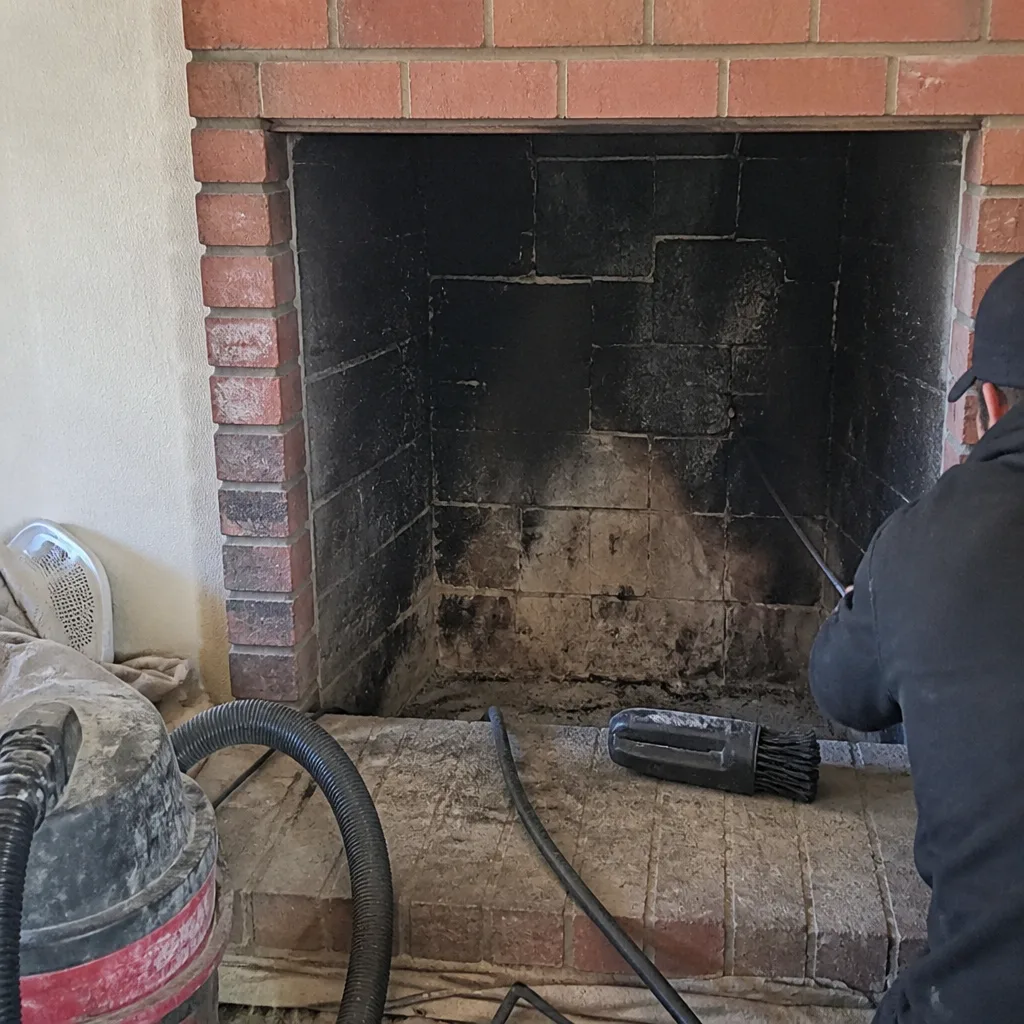
- Drop cloths and containment. The hearth and surrounding floor are covered. Soot travels, and a clean job is one where your living room looks the same when we leave.
- Sweep the flue. Rotary brushing for Stage 1. Chemical plus rotary for Stage 2. Mechanical for Stage 3.
- Smoke chamber and damper. The smoke chamber above the damper is where turbulence deposits creosote at a different rate. It gets its own pass.
- Firebox floor and ash cleanup. Debris is removed and the firebox floor is checked for cracked brick or loose mortar.
- Post-cleaning inspection and report. The result is documented with photos, and anything that needs repair is explained on the spot.
That last step is the one that turns a cleaning into a diagnostic. A team that sweeps and leaves without documenting what they saw is only doing half the job. One crew handling inspection, cleaning, and repair from start to finish means problems found during the sweep get fixed in the same visit when possible.
What a Post-Cleaning Inspection Should Document
The inspection after cleaning is where you learn the structural story of your flue. Four things should be in the report, with photos or a clear description for each:
- Liner condition. The flue liner is the barrier between smoke and framing. Cracks, spalling, and separated joints are the top fire path. If the liner is compromised, chimney repair comes before the next burn.
- Smoke chamber. This tapered space above the damper collects creosote at a different rate than the flue and is often skipped. We document its condition separately.
- Damper operation. A damper that doesn’t close fully lets heated air escape in winter and lets humid Modesto air in during the idle months. If it sticks open, you’ll know.
- Firebox floor. Cracks in the floor brick or a soft mortar joint behind the grate signal heat damage. The floor is where a fire starts if the liner fails above it.
If we find a liner that’s cracked but not yet failing, we’ll say so plainly and tell you what can safely wait. Nothing is recommended without camera evidence you can see for yourself. When repair is needed, we have real options: DuraFlex flexible liner systems for full relining, and HeatShield flue resurfacing to restore a compromised liner without tearing the chimney apart. Those are professional-grade materials, not hardware-store patches, and the manufacturer warranty travels with the completed repair.
How the Wood You Burn Changes Your Cleaning Schedule
Not all firewood in the Central Valley burns the same. Almond and oak both show up in Modesto fireplaces, and each affects creosote buildup in its own way. Almond burns hot and relatively fast, but the split wood dries unevenly in the Valley’s damp winters, and partially seasoned almond produces more smoke and therefore more creosote per burn. Oak, especially the live oak that’s common around here, burns longer and hotter once it’s properly seasoned, but green oak is one of the most creosote-heavy fuels you can put in a firebox.
The rule we give homeowners is straightforward: burn dry wood, and know what dry means. Wood that’s been split and stacked under cover for a full year in Modesto’s climate is generally ready. Wood that was split in spring and burned in fall usually isn’t. A moisture meter is the single most useful tool for this, and it costs less than a cord of wood.
Frequency follows from wood choice and burn volume:
- One to two cords a season, well seasoned, swept annually
- Three or more cords, or any green or partly seasoned wood, swept twice a season
- Gas appliances vented through the chimney, inspected annually for blockages even though there’s no wood creosote
- Any fireplace used after a long idle stretch, inspected before the first burn
The point isn’t to chase a fixed calendar. It’s to match your cleaning schedule to the fuel and burn rate you actually use.
Cleaning Receipt vs. Cleaning Report: The Difference That Protects You
A receipt says the sweep came. A report says what was found, what was cleaned, and what condition the system is in. That difference matters at three moments: when you sell the house, when an insurance company asks for documentation, and when a technician you’ve never met tells you your liner needs thousands of dollars of work.
A proper cleaning report should include the date of service, the method used to clean the flue, the creosote stage observed, the condition of the liner, smoke chamber, damper, and firebox, and photos or a written description of anything that needs attention. If a repair is recommended, the report should show the evidence: a crack, a separated joint, a rusted section of prefab pipe. Without that evidence you have no way to verify the recommendation, and you shouldn’t have to.
This is also where a full-service chimney specialist differs from a sweep-only crew. When the inspection turns up a liner problem, we have the equipment and materials to address it in the same visit rather than handing you a list and a phone number for another contractor. DuraFlex liners and HeatShield resurfacing are the two tools we use most, and both are backed by their manufacturers. One crew from inspection through repair means nothing gets lost in the handoff.
How Often to Clean a Chimney in Modesto
Annual cleaning and inspection is the baseline most chimney professionals recommend, and it holds up well in Modesto. The Valley’s burn season runs from roughly November through March, which leaves eight months of idle time for the flue to weather. A yearly visit catches the seasonal wear before it becomes structural.
There are cases where annual isn’t enough. If you burn heavily, use unseasoned wood, or notice a strong odor from the fireplace in summer, you may need a second cleaning mid-season. If you’ve had a chimney fire, even a small one you put out yourself, you need an inspection before the next burn. If the fireplace has sat unused for several years, you need an inspection before the first fire, full stop.
Here’s a simple decision path:
- Fireplace used regularly last season? Schedule cleaning and inspection before fall.
- Fireplace unused for over a year? Inspect first, then clean if needed.
- Any sign of smoke backing into the room, a strong creosote smell, or a cracked firebox? Call before the next burn.
- Gas appliance vented through the chimney? Annual inspection regardless of wood use.
None of that is meant to alarm you. It’s just the schedule that keeps a masonry chimney in this climate healthy across the years.
What Chimney Cleaning Costs in Modesto
The cost of chimney cleaning in Modesto depends on the creosote stage, the flue height and access, and whether repairs are needed after the inspection. A straightforward cleaning of a Stage 1 flue starts lower than a Stage 2 or Stage 3 job that needs chemistry and extra passes. The written estimate you receive before any work begins sets the final price, and the estimate itself is free.
What changes the price:
- Creosote stage. Stage 1 is a standard sweep. Stage 2 needs chemical softening. Stage 3 needs mechanical removal and often leads to a repair recommendation.
- Flue height and roof access. A two-story chimney takes longer and needs more roof safety setup than a single-story one.
- Add-on services. A cap installation with a Gelco or Famco cover is priced separately from the cleaning. Liner work with DuraFlex or HeatShield resurfacing is quoted after the inspection finds the specific problem.
- Inspection depth. A Level 1 inspection is part of the cleaning. A camera-based inspection of a suspect flue is its own line item.
We don’t quote a flat number over the phone for a chimney we haven’t seen, because that number would either be too high or too low. Call (855) 360-6515 for a free estimate. We answer 24/7. Fast dispatch from 7am to 7pm, Sunday through Friday. The written estimate sets the final price.
Common Mistakes to Avoid
- Assuming a clean flue is a safe flue. Soot removal without inspection misses the cracks and separated joints that actually start fires. Ask for the post-cleaning report, not just a receipt.
- Burning green or partly seasoned almond and oak. Damp wood is the leading cause of fast creosote buildup in the Central Valley. Split and stack it under cover for a full year before it goes in the firebox.
- Skipping the annual inspection because the chimney “was fine last year.” Modesto’s 100°F summers and damp fog winters work on masonry every season. A flue that passed inspection last fall may have new cracks by the next spring.
- Hiring a sweep with no repair capability. When the inspection turns up a liner problem, a sweep-only crew hands you a list and leaves. Look for a specialist who can resurface with HeatShield or reline with DuraFlex on the same visit.
- Ignoring the smoke chamber and damper. A sweep that only brushes the main flue leaves creosote above the damper and never checks whether the damper closes. Both are documented in a proper report.
- Using hardware-store patches on a compromised liner. Fire-rated repair materials carry manufacturer warranties for a reason. Cement patch from a big-box store does not.
- Delaying the first burn-season inspection until you smell smoke. By the time smoke backs into the room, the blockage is well established. Inspect before the season, not after.
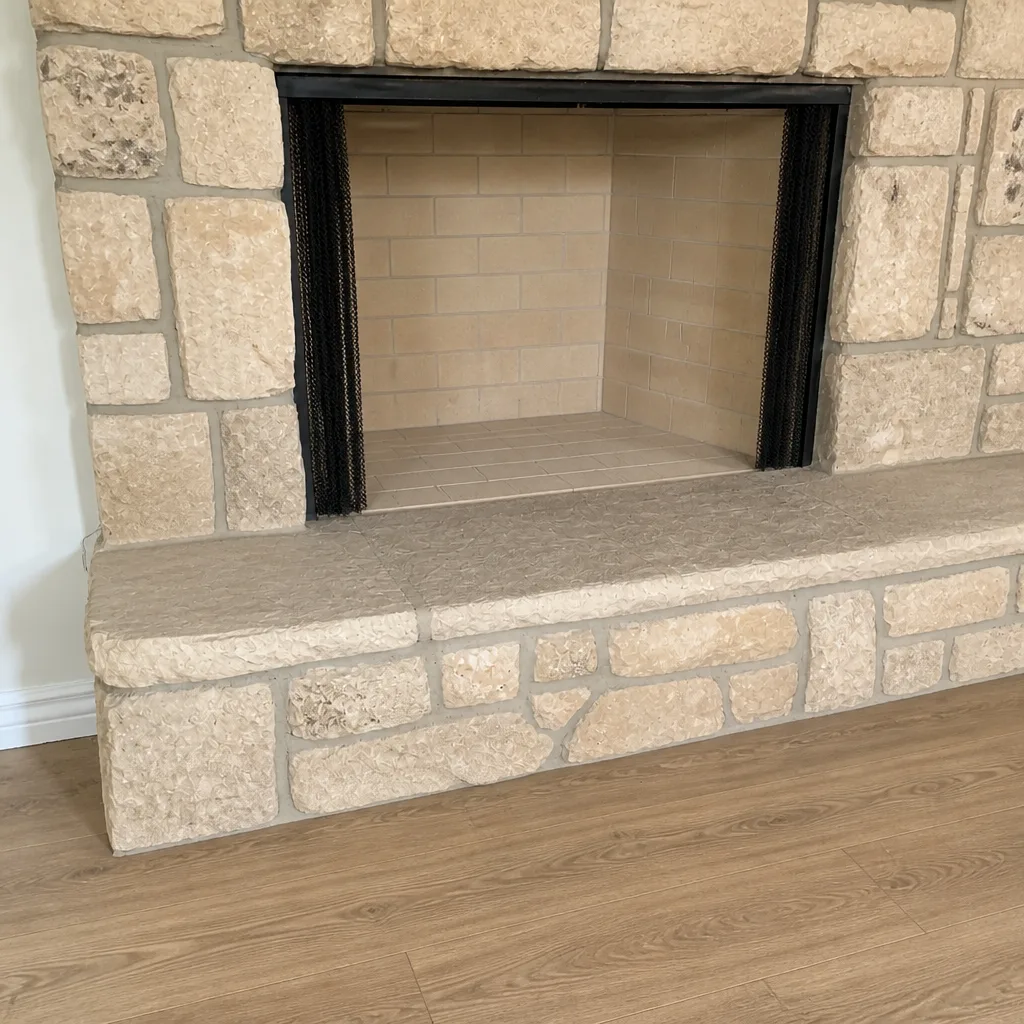
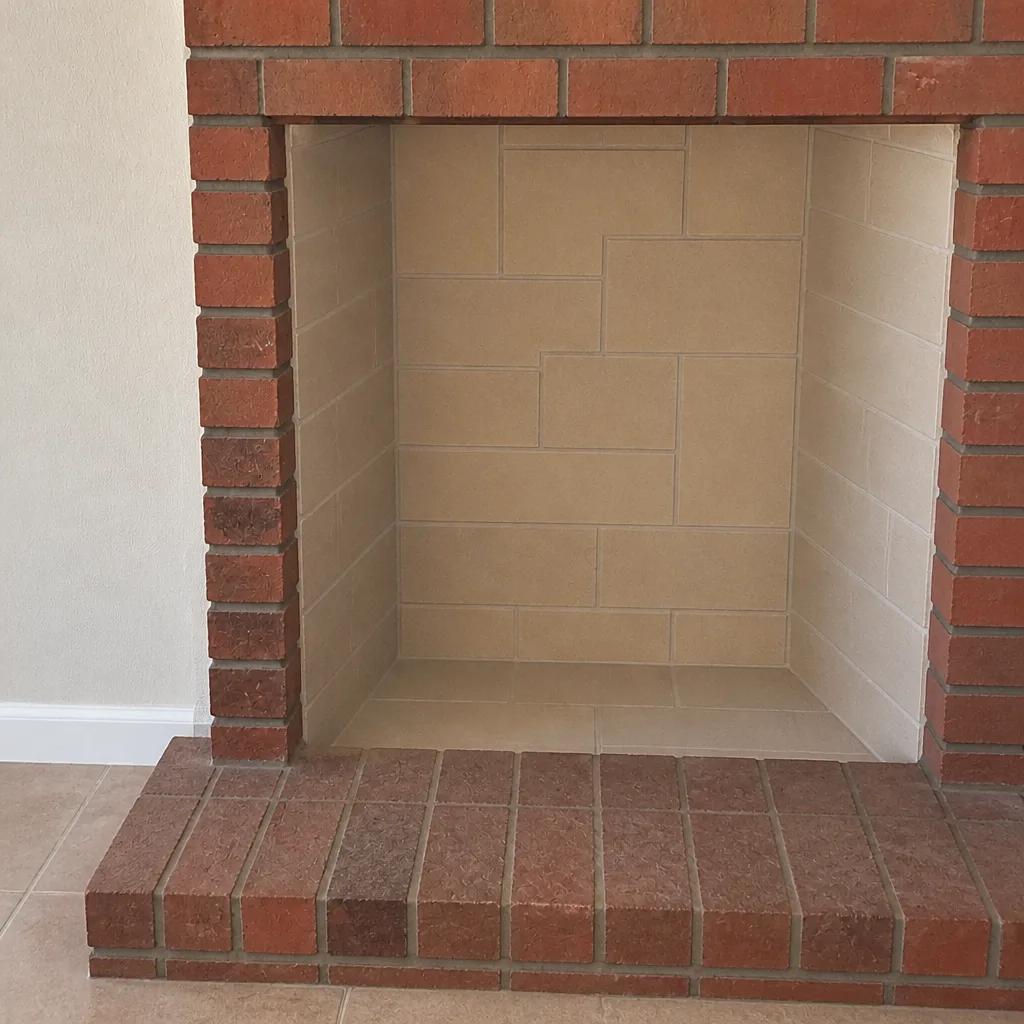
See the difference
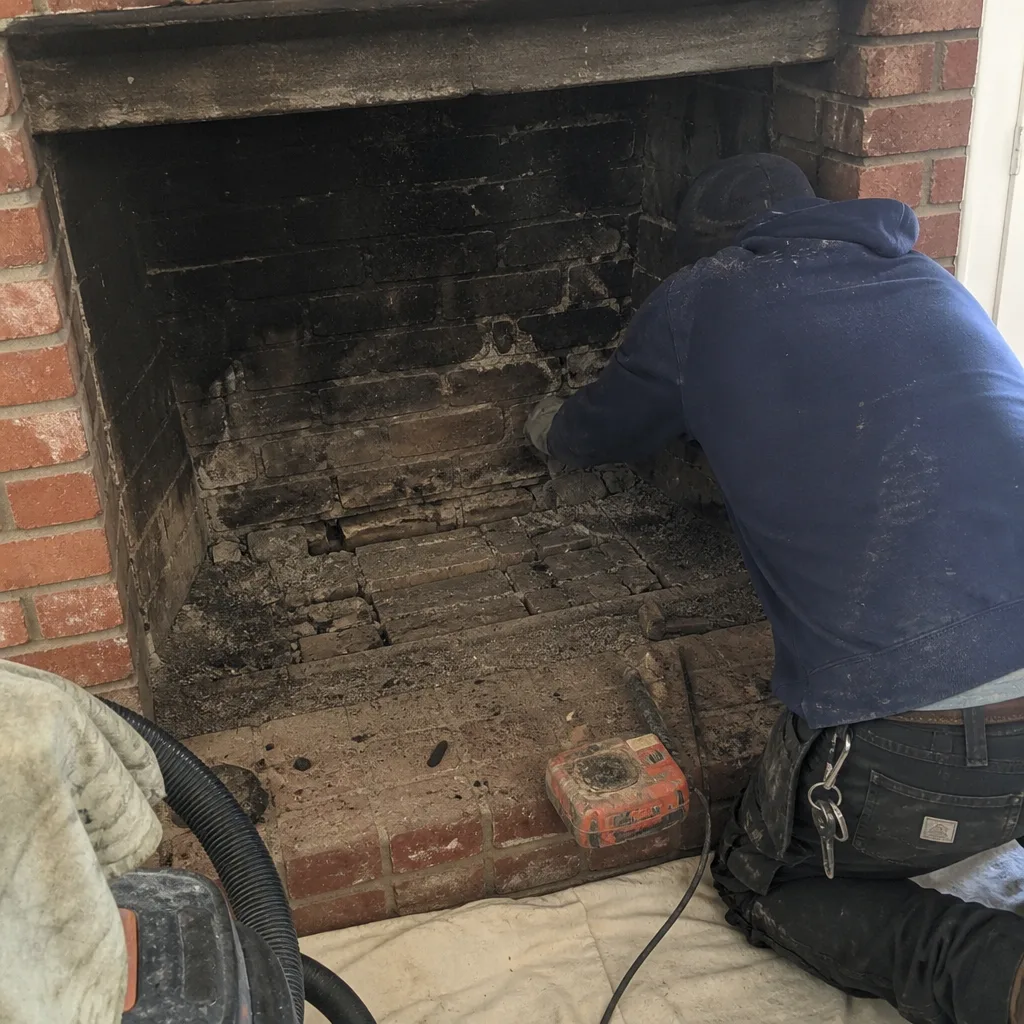 Before
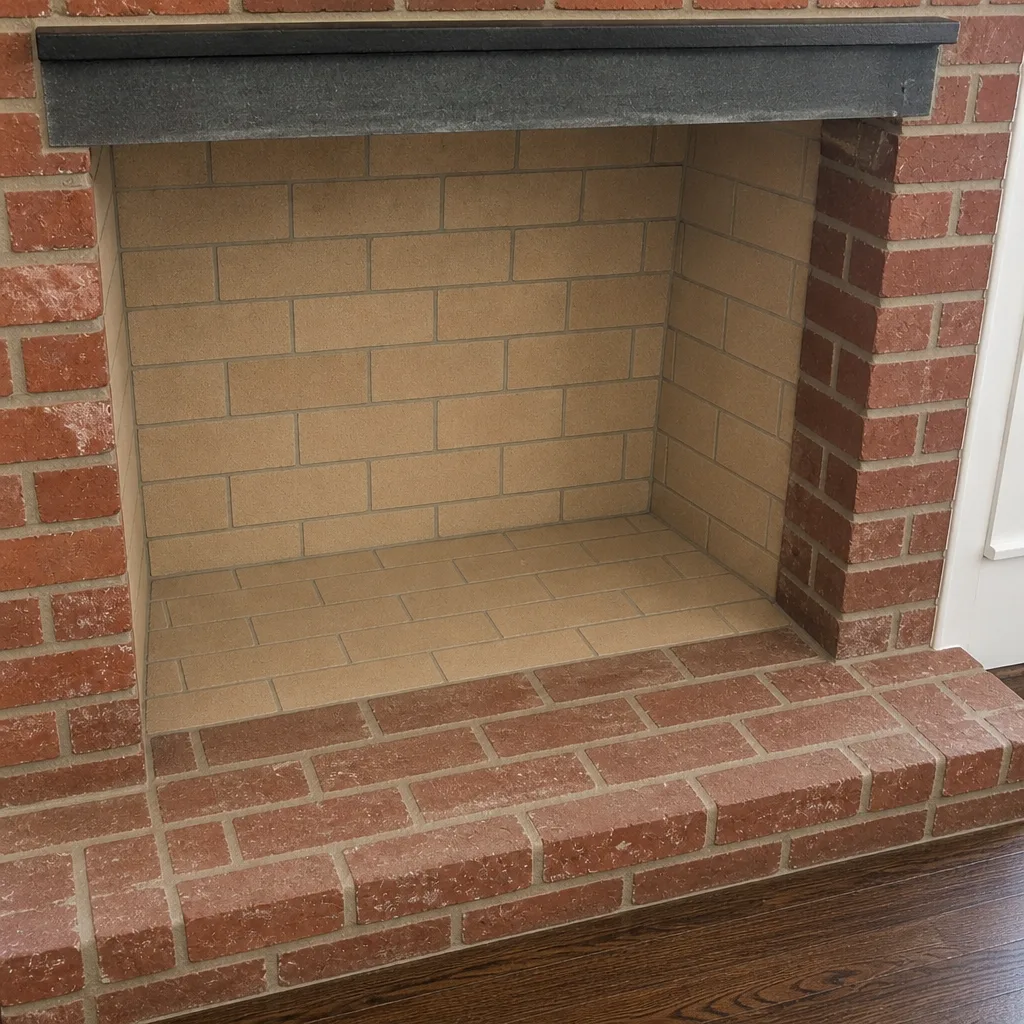 After
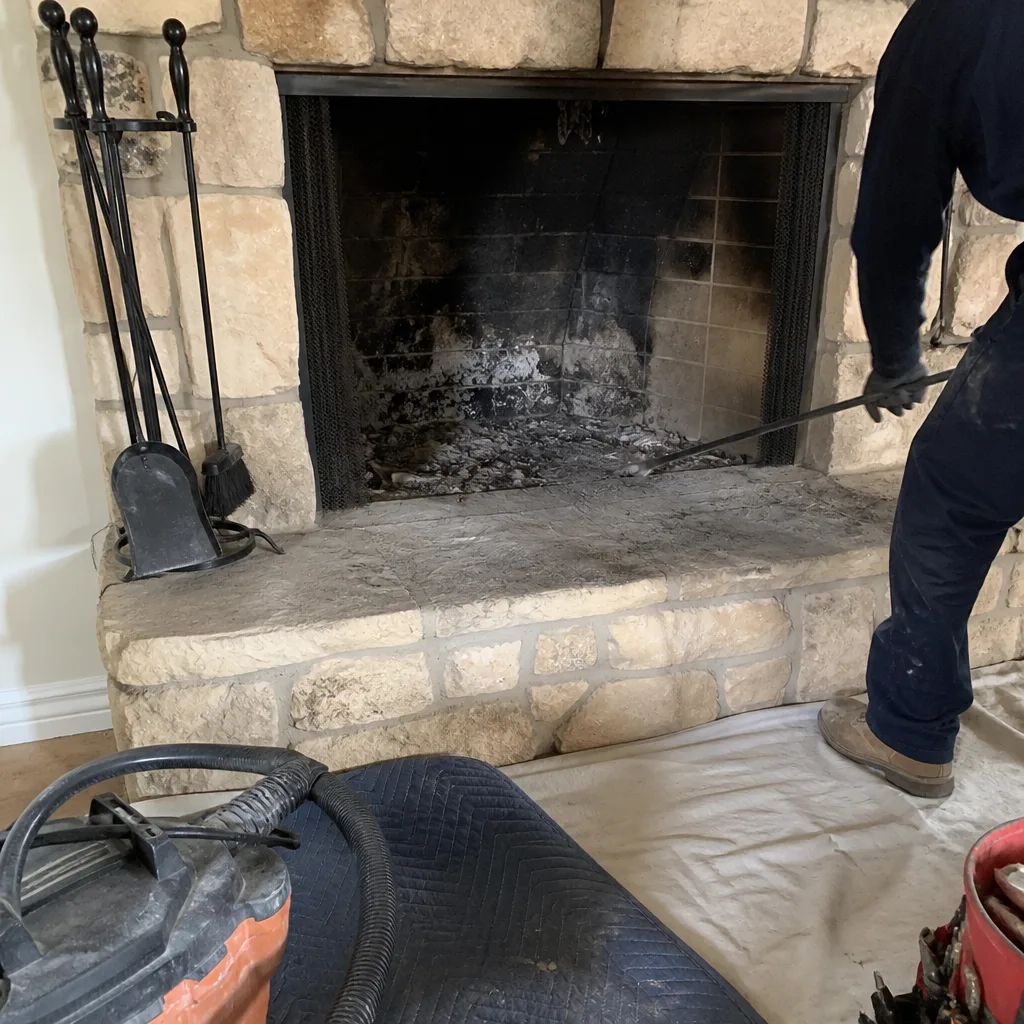 Before
 After
 Before
 After
When to Call a Professional
Some chimney issues are fine to watch. Others need a technician on the roof. Call us if you smell a strong creosote odor in summer, if smoke backs into the room when you light a fire, if you’ve had any chimney fire, if the damper sticks or won’t close, or if the firebox floor or liner shows visible cracks. Call before the first burn if the chimney hasn’t been inspected in over a year. And call if a previous technician recommended significant liner or masonry work and you have no evidence you can see for yourself. Modesto Chimney Sweep offers free estimates in Modesto. Call (855) 360-6515. We answer 24/7. Fast dispatch from 7am to 7pm, Sunday through Friday.
Frequently Asked Questions
Chimney cleaning in Modesto is priced per job by written estimate, and the estimate is free. The price depends on the creosote stage, flue height and roof access, and whether any repair is needed after inspection. Call (855) 360-6515 for an exact quote. Estimates are free.
Once a year is the baseline for most Modesto homes, ideally before the fall burn season. If you burn three or more cords a season, use almond or oak that isn’t fully seasoned, or notice a strong smell from the fireplace in summer, plan on a second cleaning mid-season. A chimney that’s sat unused for over a year should be inspected before its first fire. Call (855) 360-6515 to book a sweep and inspection.
Creosote builds up in layers, and at Stage 2 or Stage 3 it becomes fuel for a chimney fire. Beyond the fire risk, a blocked or damaged flue can let carbon monoxide back into the living space. Modesto’s hot summers and damp fog winters also let cracks widen between cleanings, so a skipped year often means more repair cost than a cleaning would have. Call (855) 360-6515 to schedule before the next burn.
Only if the inspection shows the existing liner is cracked, spalling, or has separated joints that can’t be resurfaced. In many cases a HeatShield flue resurfacing restores the liner without a full tear-out, which is a fraction of the cost of relining. Nothing is recommended without camera evidence you can see for yourself, and we’ll say plainly when a repair can safely wait. Call (855) 360-6515 for a free estimate.
A proper report documents the creosote stage observed, the method used, and the condition of the liner, smoke chamber, damper, and firebox floor, with photos or a written description of anything that needs repair. A receipt alone doesn’t protect you. Ask for the report every time. Call (855) 360-6515 to book a cleaning and inspection together.
Gas appliances vented through a chimney don’t produce wood creosote, but they still need an annual inspection for blockages, vent condition, and carbon monoxide risk. A blocked gas vent is just as dangerous as a blocked wood flue, and birds or debris in the flue are common in Modesto. Call (855) 360-6515 for a free estimate on an inspection.
The Bottom Line
A chimney cleaning in Modesto is the entry point to the whole-chimney health picture. The sweep removes what you can see; the inspection after it reveals the cracks, spalling, and separated joints you can’t. Three things matter more than anything else: inspect before you sweep, match your cleaning method to the creosote stage, and get a written report with evidence you can verify. Everything else is noise. Our technicians have up to 9 years of experience, and we handle inspection, cleaning, and repair as one crew from start to finish. Call (855) 360-6515 for a free estimate.
Written by the team at Modesto Chimney Sweep.