
Last updated November 16, 2026
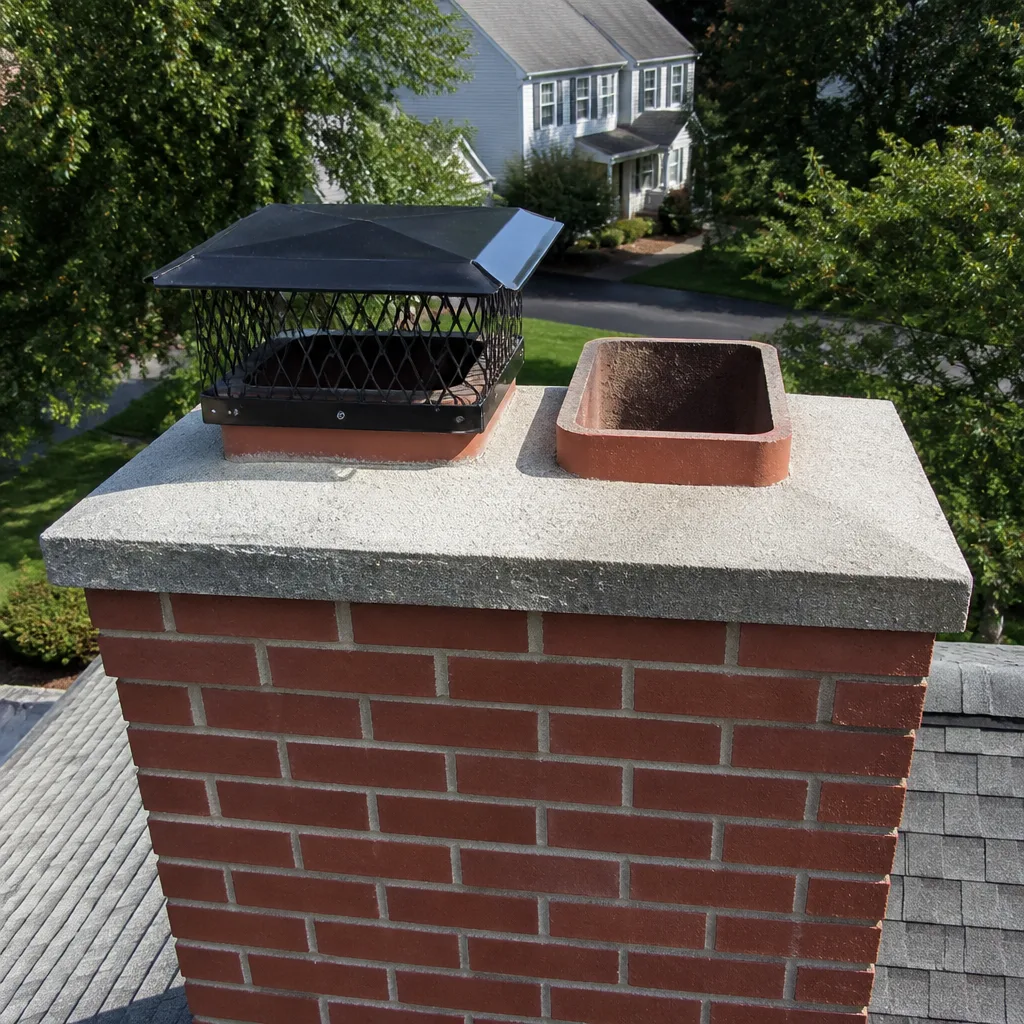 Sweep & inspection
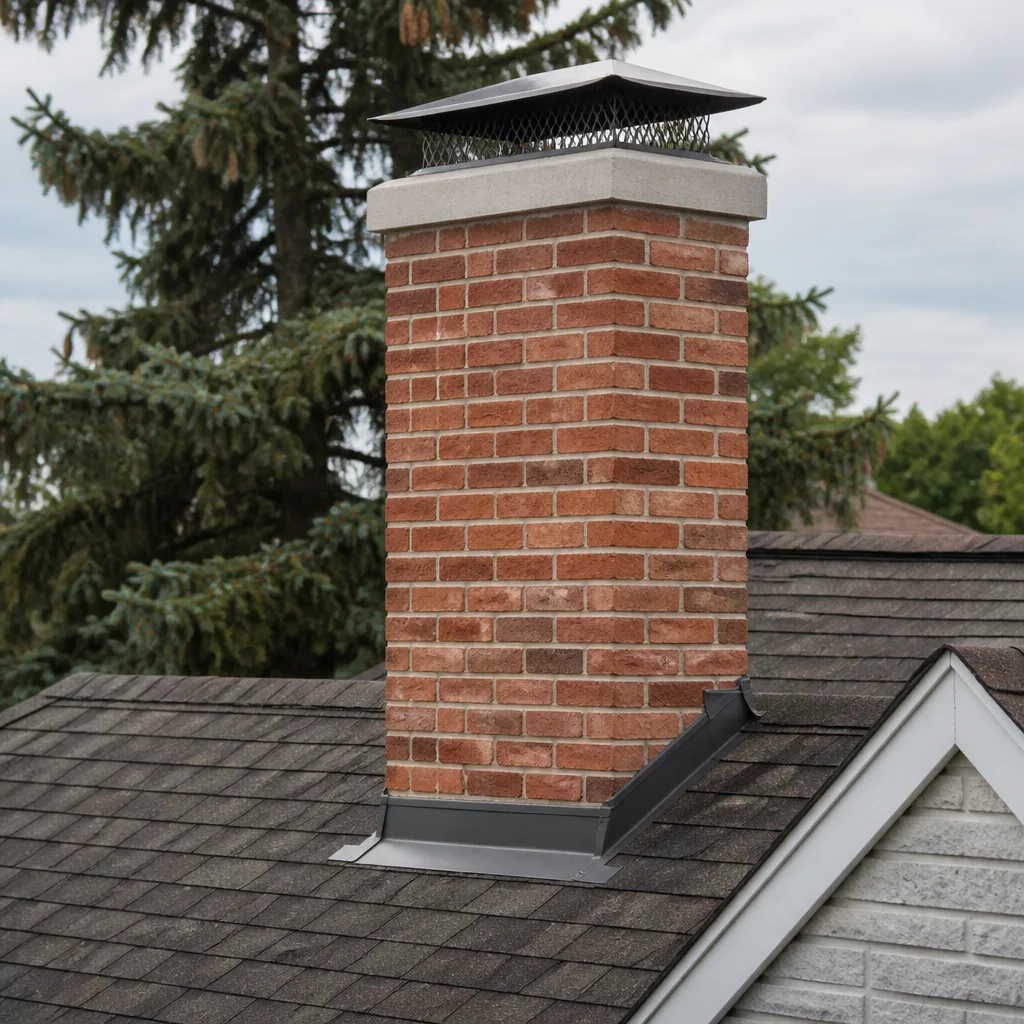 Caps & crowns
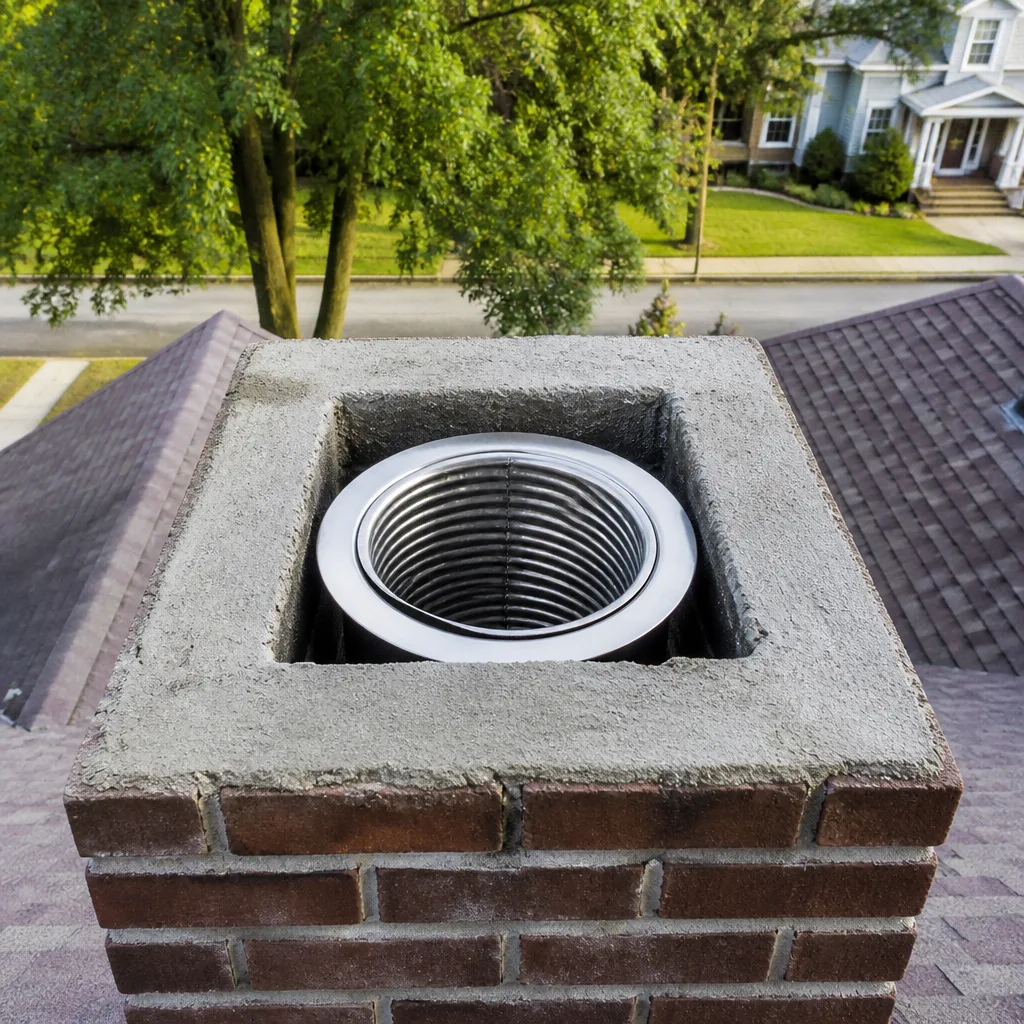 Flue relining
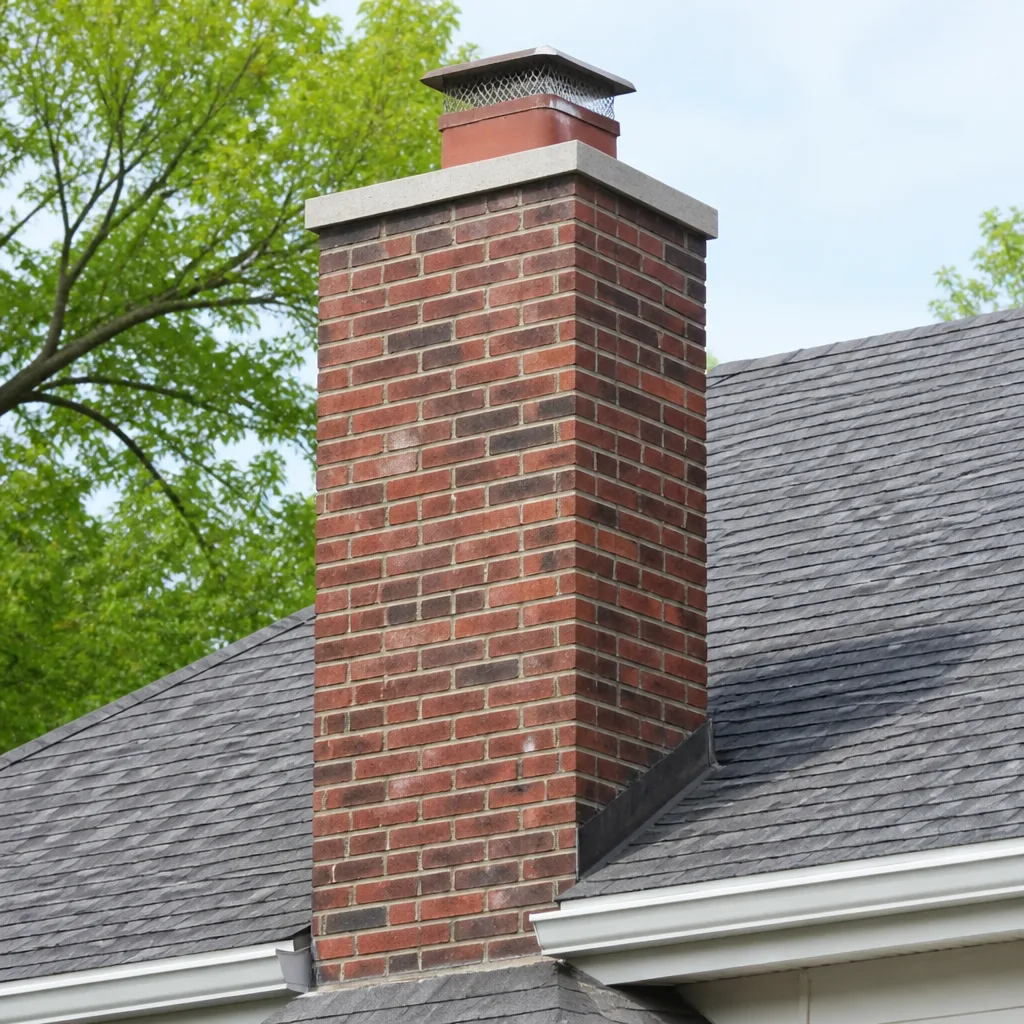 Masonry repair
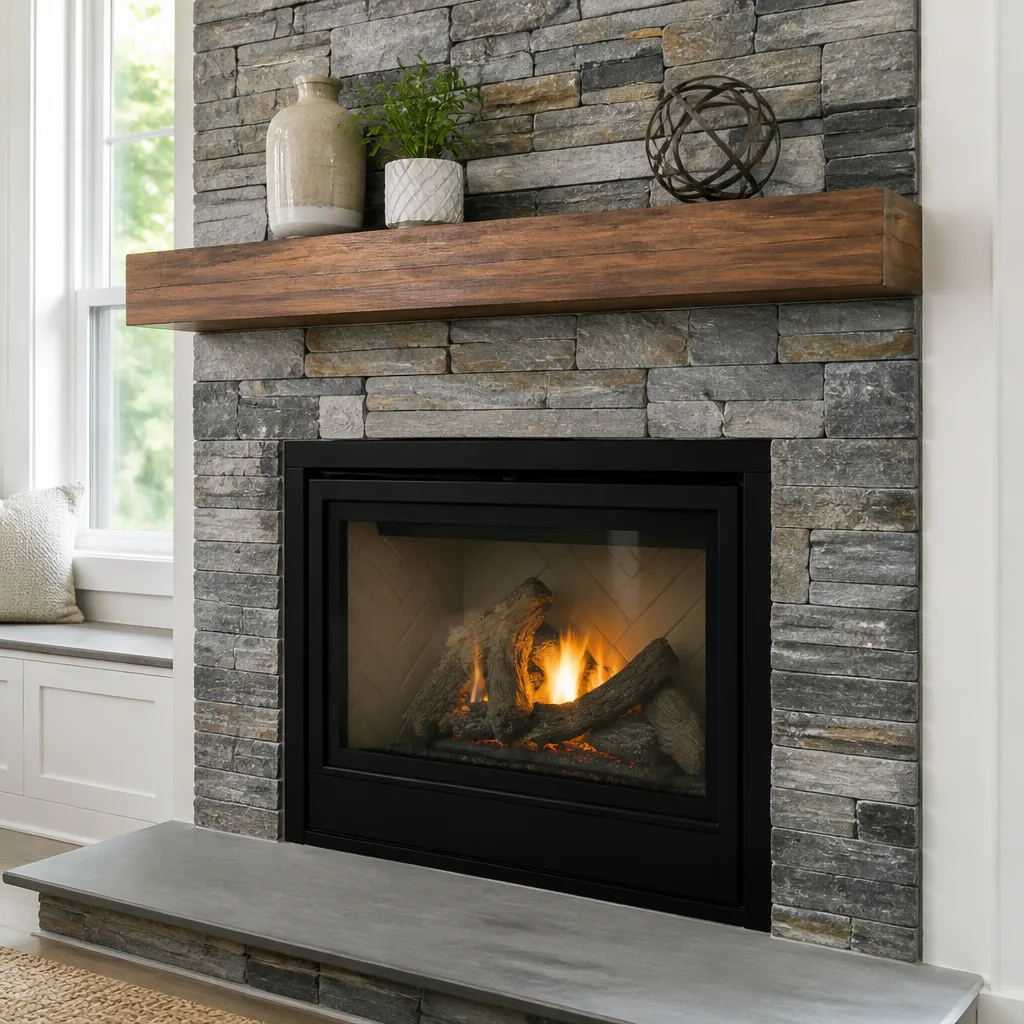 Gas fireplace service
Level 1 sweep and inspection to the NFPA 211 annual standard - flue, crown, cap, and flashing checked and photographed
Chimney sweep logs do not sweep chimneys. They loosen some creosote - which then falls where a brush and vacuum still have to collect it.
Seasonal Chimney Cleaning Care for Modesto: Year-Round Homeowner’s Guide
The worst chimney damage in Modesto typically happens between May and October, when the fireplace isn’t being used at all. Summer heat bakes the masonry crown until hairline cracks open, and then the tule fog rolls in during the dormant months and works moisture into those cracks. Nobody notices, because nobody’s burning. By the time the first cold snap arrives and you light a fire, the damage is already done and hiding behind a flue you can’t see into.
That’s the counterintuitive part of chimney care in Modesto: the standard advice to “clean before winter” leaves homeowners managing the wrong risks at the wrong time of year. This guide walks through what actually happens to a chimney in each season here in the Central Valley, what to check and when, and how to build a care calendar that matches our climate instead of a generic national checklist.
Quick Answer
Chimney care in Modesto works on a four-season cycle, not a once-a-year sweep. Summer is when crowns crack and animals move in, fall is when you inspect and test draft before the first fire, winter is when wet wood and cold starts build heavier creosote, and spring is when you clean and ventilate instead of sealing the damper shut. The single most useful habit is scheduling an inspection in late summer or early fall, before burning season, so any damage gets caught while the fireplace is still dormant.
Styles & brands we work with
- Sweep & inspection
- Caps & crowns
- Flue relining
- Masonry repair
- Gas fireplace service
Table of Contents
- Why Modesto’s Chimney Calendar Is Backwards
- Summer: The Dormant Season Does the Most Damage
- Fall: The Pre-Season Inspection Sequence
- Winter: How Wet Weather Changes Your Creosote
- Spring: The Post-Season Shutdown Done Right
- Burn Bans and Episodic Burning Windows
- Modesto Neighborhood and Housing Notes
- Building Your Year-Round Schedule
Why Modesto’s Chimney Calendar Is Backwards
Most chimney care advice is written for places with long, hard winters and short summers. It assumes the fireplace carries the heating load for months and that the main job is creosote removal between heavy burns. Modesto doesn’t work that way. Our burning season is short and often interrupted, our summers are long and dry, and our winters are mild and damp rather than freezing.
That combination flips the risk profile. The months when your fireplace sits idle are the months when the structure takes its worst beating. The masonry crown – the concrete cap at the top of the chimney that sheds water – expands in the summer heat and contracts at night. Those cycles open small cracks. Once a crack exists, the moisture that hangs in the Valley air during fog season has a way in. Water gets behind the crown, into the mortar joints, and down toward the flue liner, and it does that quietly for months.
Meanwhile, the active burning season is when creosote builds up – but because our winters are mild, many homeowners burn intermittently. A fire here, a fire there, always on cool evenings with a cold flue. That pattern is actually harder on a chimney than steady burning, because every cold start produces more incomplete combustion and more of the sticky deposits that are harder to sweep.
So the calendar that actually fits Modesto looks like this:
- Summer: crown inspection and sealing, animal guard checks, waterproofing decisions.
- Fall: full inspection, draft test, damper service, sweep if needed before first fire.
- Winter: manage burn quality – dry wood, warm flue starts, watch for heavy deposit signs.
- Spring: sweep, clear the firebox, ventilate the flue, deal with any moisture issues before summer heat.
Notice that the sweep isn’t the centerpiece. It’s one step in a year-long cycle. That’s the shift this guide is asking you to make.
Summer: The Dormant Season Does the Most Damage
Summer is when a Modesto chimney takes its worst structural damage, and it’s entirely because nothing is happening. No fire, no smoke, no reason to climb up and look. The crown sits in full sun, heating and cooling every day, and the first cracks appear. Once they do, two things go wrong at once.
Crown sealant and mortar fail. The crown is a concrete or mortar cap with a slight slope designed to shed water away from the flue. When it cracks, water pools instead of running off. A cracked crown doesn’t announce itself. You might notice a stain on the ceiling in a rare rain event, or you might notice nothing until the flue liner itself starts breaking down. If you want to protect the crown before the cracks open, the time to have it checked is late spring or early summer, not after the damage shows up. Sealant applied to a sound crown buys you years. Sealant smeared over a cracked and crumbling crown does nothing.
Animal intrusion peaks. A chimney with no fire in it and no cap on top is a warm, dry, sheltered cavity, and it’s exactly what birds, squirrels, and raccoons are looking for in the summer. Nesting material is combustible, and an active nest blocks the flue. What we’ve seen most often is a homeowner who never had a cap, never had a problem, and then one summer the birds move in and the whole chimney has to be cleared before it’s safe to use again. A proper cap with a screen stops this before it starts. We install Gelco and Famco covers because they’re built to hold up in our sun and hold their shape through the wet season.
Here’s what summer care looks like in practice:
- Look at the crown. From the ground with binoculars, or from a safe ladder position, check for visible cracks, crumbling edges, or a slope that’s gone flat. Don’t climb onto the roof to do this – roof work is where people get hurt.
- Confirm the cap is in place and the screen is intact. A missing or rusted-out screen is an open door.
- Listen for animal sounds. Scratching, chirping, or flapping from inside the flue in summer is a strong sign of a nest. Don’t burn a fire until it’s cleared.
- Note any staining or water marks on the ceiling near the chimney or on the chimney breast itself.
Any of those findings is worth a proper inspection. Damage found in summer is cheap to fix; damage found in November, after a fire has run through it, is not.
Fall: The Pre-Season Inspection Sequence
Fall is when the fireplace comes back online, and it’s the most important few weeks of the year for chimney safety. The goal is simple: know the condition of the flue before the first fire, and know it works before you depend on it. We inspect before we sweep, always – because cleaning a damaged flue without fixing it first is a safety risk, not a service.
The pre-season sequence we run looks like this:
- Visual inspection from the firebox up. Check the firebox walls, the damper, the smoke chamber, and as much of the flue as can be seen. Look for cracked mortar, missing brick faces, gaps, and signs of moisture.
- Camera inspection of the flue. A camera run down the flue shows the liner’s true condition – cracks, gaps at joints, separation, or heavy glaze. This is the step most homeowners can’t do themselves, and it’s the step that determines whether a sweep is safe to perform at all.
- Sweep based on findings. If the flue is sound, sweep the creosote. If it isn’t, repair comes first – relining with a DuraFlex system or resurfacing with HeatShield, depending on what the camera shows.
- Draft test. Light a small test fire and watch how smoke behaves. In Modesto’s dry fall air, a chimney that hasn’t been used since spring can have a stubborn cold-flue problem – the flue is colder than the room, so smoke struggles to rise. A properly run draft test identifies that before you’re standing in a smoky living room on the first cold night of the year.
- Damper check and lubrication. The damper is a moving metal part that sits untouched for months. Dry Valley air, temperature swings, and dust leave it stiff or stuck. A damper that won’t open wide enough chokes the fire and pushes smoke back into the room. A damper that won’t close fully is a year-round energy leak. Lubricate and confirm the full range of motion.
- Cap and screen verification. Same check as summer, but critical here – if a cap failed or a screen rusted over the summer, fall is your last easy chance to fix it before you’re burning.
If you only do one professional service all year, make it this one. A fall inspection and sweep gives you the information you need to use the fireplace safely through the winter, and it’s the cheapest insurance against a problem escalating into structural repair.
The sweep itself is the work most people think of when they search for a chimney sweep, and it’s the step we do only after the inspection clears the flue.
Winter: How Wet Weather Changes Your Creosote
Modesto winters aren’t freezing, but they’re wet – December through February brings rain, fog, and damp air that most chimney guides don’t account for. That wetness matters because it changes both the fuel and the fire.
Wet wood is the problem. Firewood stored outdoors absorbs moisture from the damp winter air. When you burn wood that’s still wet, the fire spends a chunk of its energy boiling off that water instead of burning cleanly. The result is cooler smoke, more incomplete combustion, and heavier, stickier creosote deposits. Specifically, wet wood tends to produce more of the tar-like stage 2 creosote – the kind that coats the flue in a glaze and is much harder to sweep off than the dry, flaky stuff.
Cold starts do the same thing. An intermittent burning pattern is common in Modesto, and each cold start means the flue is cold, the fire is inefficient for the first several minutes, and the smoke that rises is cooler and wetter. You can reduce this significantly by pre-warming the flue – lighting a small kindling fire and letting it run for a few minutes before adding larger wood. Some homeowners hold a rolled newspaper torch near the open damper for 20-30 seconds before lighting, which warms the flue and starts upward draft. That’s a safe technique to try. Don’t build a big fire on a cold flue.
What to watch through the winter:
- Wood moisture. Firewood should be split, stacked and covered, ideally for a full year before use. If your wood was stacked this fall, it’s not ready this winter. Buy dried wood or plan ahead.
- Smoke behavior. A fire that puffs smoke into the room, or that produces thick dark smoke from the top of the chimney, is a draft or deposit problem showing itself.
- Signs of heavy glaze. Creosote buildup is the reason a chimney fire happens – not always, but often. If you notice a strong chemical or tar smell near the fireplace, or a flue that’s visibly narrowed, stop burning and get it inspected. A chimney fire is genuinely dangerous, and the only reliable defense is keeping the flue clean and sound.
- Carbon monoxide. Any gas appliance vented through your chimney produces carbon monoxide, and a blocked or damaged flue can push it back into the house. A CO alarm on every level is a basic precaution. If you don’t have one, add it this winter.
Winter isn’t a maintenance season for the chimney – it’s a use season. But your habits during those months determine how much cleaning you’ll need in the spring.
Spring: The Post-Season Shutdown Done Right
Here’s the mistake we see most often at the end of burning season: closing the damper tight and forgetting about the fireplace until fall. That instinct feels right – you’re sealing the house against summer heat, keeping cool air from escaping up the flue, keeping animals out. It’s also the wrong move for chimney health in our climate.
Closing the damper immediately after the last fire traps the moisture and acidic byproducts from the winter’s burning inside the firebox and flue. The creosote that built up over the season stays damp, and it sits against the masonry through the hottest months of the year. Damp creosote is more corrosive to mortar and metal than dry creosote. Over a summer, that trapped moisture can accelerate damage to the flue joints and the damper assembly itself.
The right post-season shutdown looks like this:
- Sweep the chimney in spring, not fall. Clearing the creosote before summer removes the material that would otherwise sit damp against the masonry for months.
- Clean the firebox. Ash and leftover debris hold moisture. Remove it.
- Leave the damper cracked open. Fully closed damper is fine for a short time, but over summer, a slight opening – a finger’s width – lets the flue breathe and prevents the trapped-moisture problem. You can close it fully once dry season is well established if you prefer.
- Check the crown before summer heat. If it’s showing cracks or erosion, get it sealed before the hot months do more damage.
- Confirm the cap and screen are intact. Summer is when animals try to move in. A secure cap is your best defense.
- Inspect the firebox and damper for winter wear. Look for new cracks, crumbling mortar, or a damper that’s stiff or stuck.
If a problem shows up in spring, you’re fixing it in warm, dry conditions with months to spare before you’d want to burn again. That’s a much better situation than discovering it in October.
Spring is also when chimney repair gets attention, since problems found in the sweep can be addressed in the same visit. Relining a flue with a DuraFlex liner system or resurfacing a damaged flue with HeatShield is impossible to do well in a rush, and doing it in spring means the system has plenty of time to settle into place before burning season.
Burn Bans and Episodic Burning Windows
The Central Valley’s air quality rules add a wrinkle that most chimney guides never touch. Agricultural burn restrictions, and the general air quality management framework in the Valley, mean many homeowners here don’t burn continuously through winter – they burn in episodic windows, on cold evenings or during the occasional cold snap when the fireplace carries the load.
That episodic pattern changes how you should schedule care. The traditional advice assumes a steady burn and a steady creosote buildup, so it assumes one annual fall sweep. When you burn episodically, three things happen:
- Your creosote builds up more slowly in volume but more heavily in composition. Each short burning window starts with a cold flue and ends with the fire dying down again. That’s a recipe for more sticky deposits.
- Your annual inspection needs are the same, but your cleaning timing is more flexible because volume is lower.
- You have more opportunities in the year to choose a burning window – which means you have more control over when to schedule service.
Practical scheduling logic for episodic burners:
- Inspect in late summer or early fall, every year. No exceptions. The inspection is about condition, not volume of creosote.
- Sweep based on inspection findings, not the calendar. An episodic burner might need a sweep every year, or every other year, depending on the deposits. The camera tells you.
- Watch the weather for burn ban days. Local air quality restrictions can shut down burning on certain days. The point isn’t to route around the ban – it’s to know when you can burn so that you’re not lighting a fire on a high-restriction day and then leaving it smoldering for hours, which produces worse smoke and worse deposits.
- Spring is still your shutdown moment. The spring sequence above applies whether you burned heavily or lightly through winter. The trapped-moisture problem doesn’t care how many fires you ran.
The Valley’s air quality framework is a feature of local chimney life, not a nuisance. Work with it, and you get a cleaner fire and a cleaner flue.
Modesto Neighborhood and Housing Notes
Modesto’s housing stock is varied enough that chimney care has to flex by neighborhood and by house type. What matters most isn’t the zip code – it’s the age and construction of the chimney.
Older masonry chimneys in established central Modesto neighborhoods tend to have thicker walls and heavier brick, but the mortar between the bricks is the weak point. Decades of hot-dry summers and damp winters have left many of them with joint erosion that isn’t visible from inside the firebox. These benefit from a camera inspection every year, because the damage is hidden behind an intact-looking facade.
Mid-century homes often have smaller masonry chimneys built to vent what were originally smaller fireplaces. If a previous owner inserted a larger fireplace insert or a wood stove, the flue may be undersized for the appliance, and that’s a draft and deposit problem waiting to happen. Inspection should specifically note what appliance the flue is venting.
Newer construction and tract homes in Modesto frequently use prefabricated chimneys. These have their own wear patterns – the factory-insulated flue and the metal firebox have service lives, and cracks or separation in a prefab flue are a genuine safety concern. Prefab chimneys benefit from the same yearly inspection as masonry. Relining a prefab system is a different job than relining masonry, and the repair should match the construction.
Gas-appliance venting is present in many Modesto homes – a gas water heater or furnace vented through a masonry or prefab chimney alongside the fireplace. Gas venting is a carbon monoxide path, not just a smoke path, so any gas-connected chimney should be checked for spillage and draft. A yearly inspection is even more important when gas is involved.
Our Modesto service area covers all of these construction types, and we plan the visit around the house’s chimney system, not a generic checklist.
Building Your Year-Round Schedule
Here’s a workable annual plan that fits the Modesto climate. Print it, put it on the fridge, adjust as needed.
- Late spring (May-June): Post-season sweep. Clear creosote before summer heat and damp months do more damage.
- Early summer (June-July): Crown inspection. Look for cracks and erosion. Sealed now, before the hottest months, if needed.
- Late summer (August-September): Cap and animal guard check. Confirm the screen is intact before nesting season.
- Early fall (October): Full inspection with camera, draft test, and damper lubrication. Sweep based on findings. Confirm cap and screen. This is your safety checkpoint before the first fire.
- Winter (November-February): Burn dry wood. Pre-warm the flue for every cold start. Watch smoke behavior and listen for unusual sounds.
- Late winter (February-March): Last fire. Leave the damper slightly open. Note any concerns to address in spring.
That’s six touchpoints across the year, two or three of which involve a professional. A full annual inspection is the non-negotiable piece; the rest are best practices that reduce the chance of a surprise.
Modesto Chimney Sweep handles inspection, cleaning, and repair as a single service, so a camera finding in August doesn’t become a winter of phone calls trying to find someone to do the repair. One crew. Inspection, cleaning, and repair – start to finish.
Common Mistakes to Avoid
- Cleaning only in the fall and calling it done. The fall sweep is important, but it’s not the whole job. The April through October window is when the structural damage accumulates, and it’s entirely unaddressed by a fall-only maintenance habit.
- Closing the damper tight after the last fire. Trapping the winter’s moisture and creosote inside the flue through the hottest months accelerates corrosion and damages mortar joints. Crack the damper, sweep in spring, and clean the firebox.
- Burning wet winter wood. Damp firewood produces more tar-like stage 2 creosote, which is harder to sweep and more dangerous. Split and cover your wood, buy dry wood, and remember that this winter’s stack is next winter’s fuel.
- Ignoring a cracked crown. It looks like a minor crack. It’s actually the access point for water into the flue and masonry. Cracked crowns caught in summer are cheap to seal. Cracks ignored until the liner fails are not.
- Going without a cap or screen. Every uncapped chimney in Modesto is a potential summer wildlife home. A cap and screen from Gelco or Famco is a cheap, long-lived fix that closes that door permanently.
- Sweeping a flue without inspecting it first. Cleaning a damaged flue is a safety risk, not a service. The inspection has to come first, always. If we find a compromised liner, the repair – a HeatShield resurfacing or a DuraFlex reline – happens before the sweep does.
- Treating a chimney fire as a small event. If you suspect a chimney fire – unusual roaring, a lot of dense smoke from the top, a strong smell after one – don’t just build another fire the next night. That flue needs a real inspection before it’s used again.
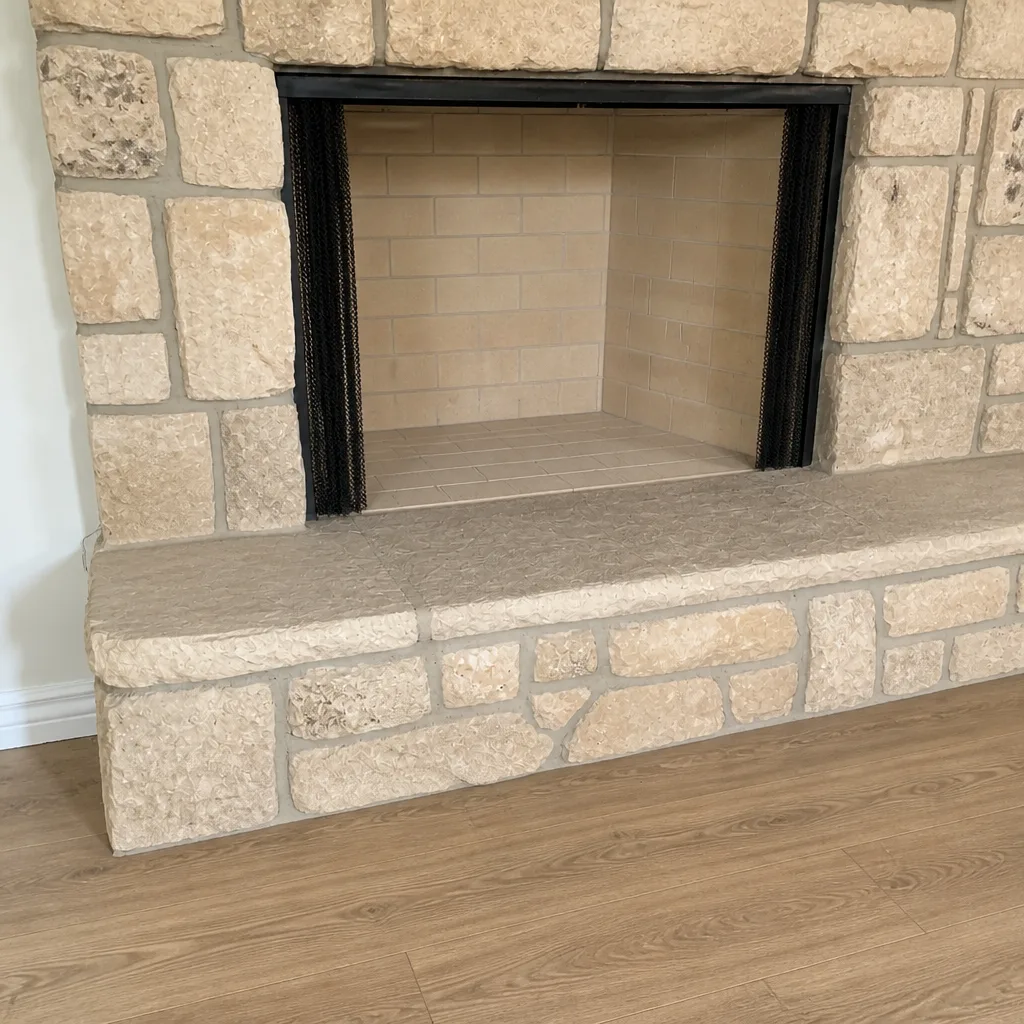
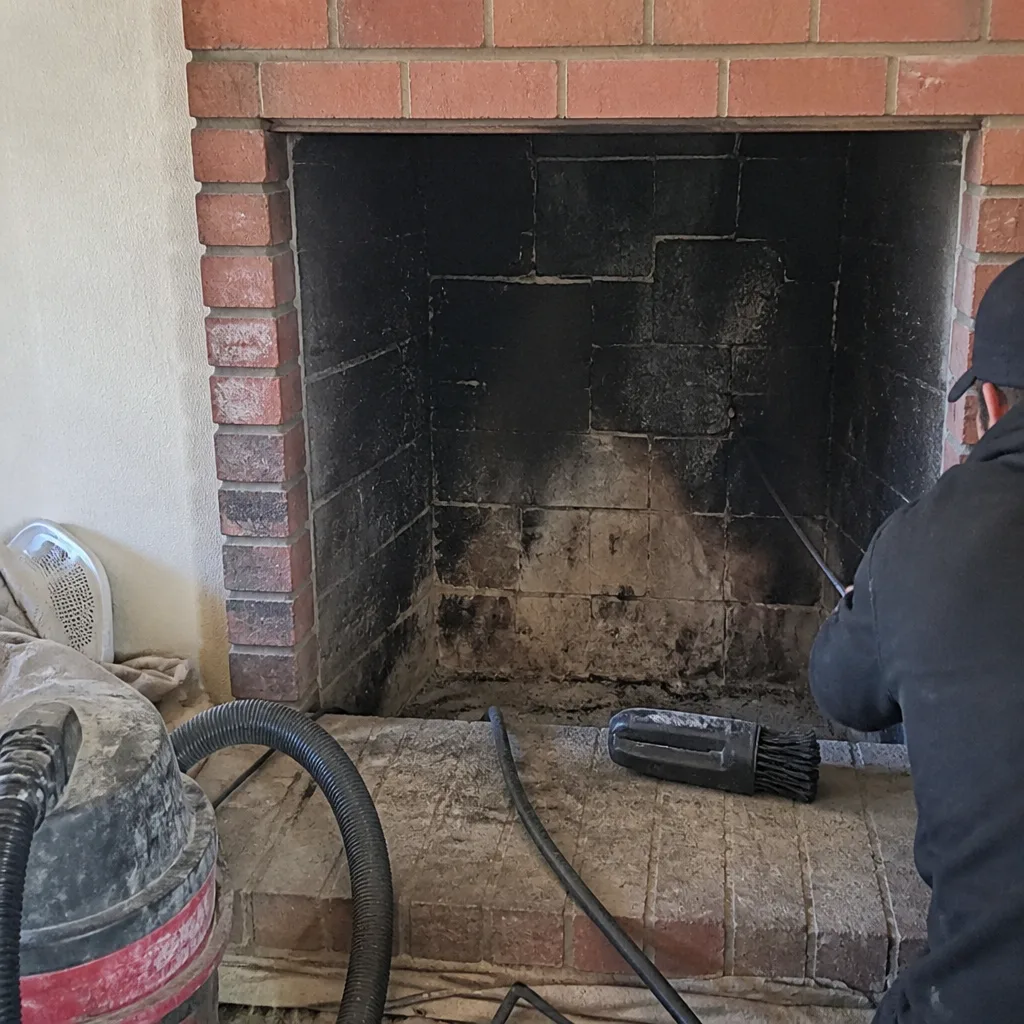
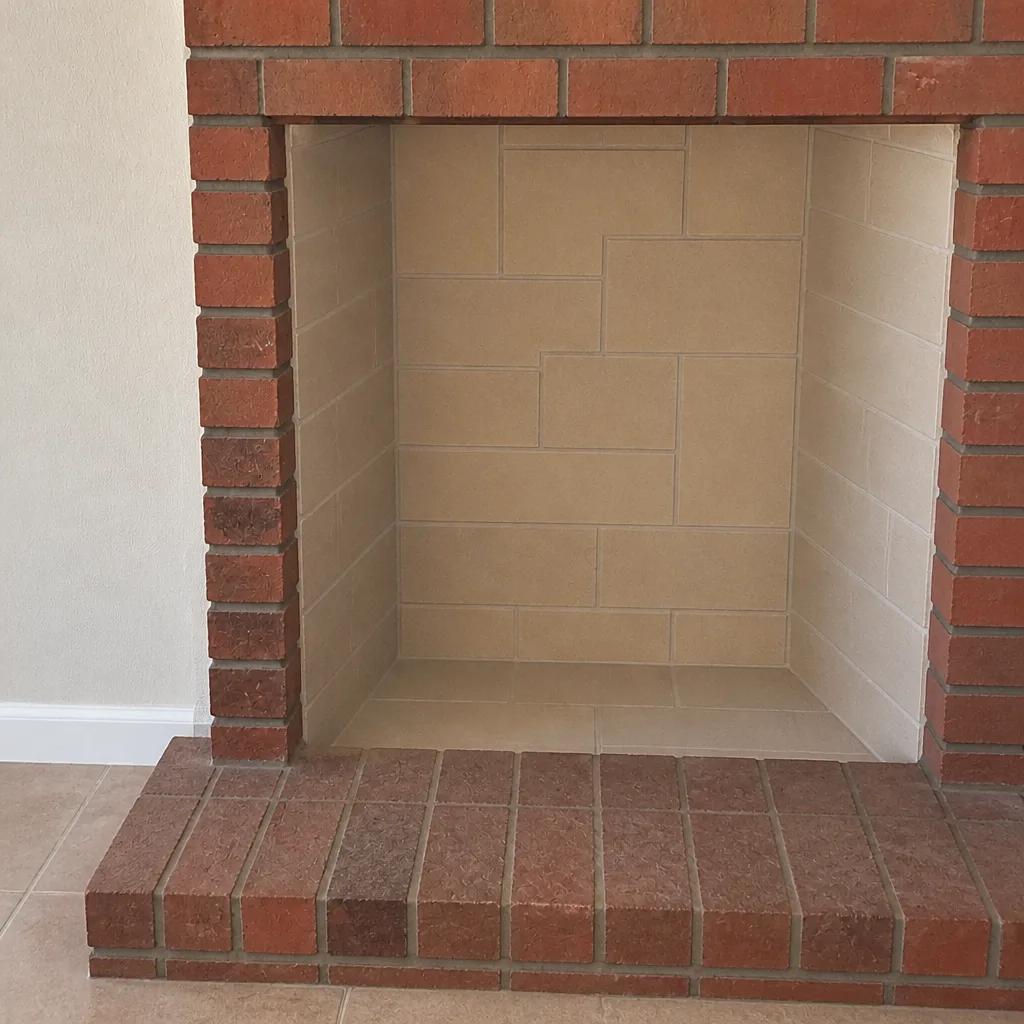
See the difference
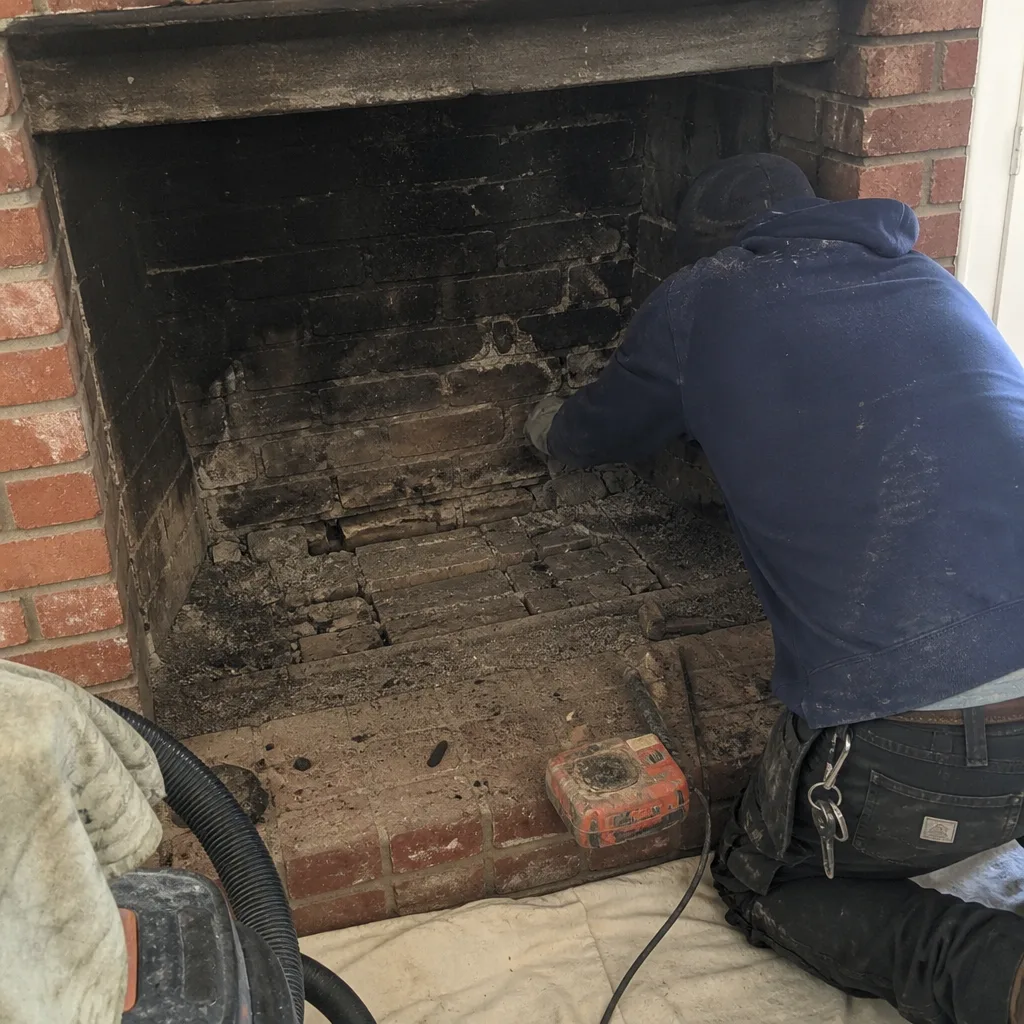 Before
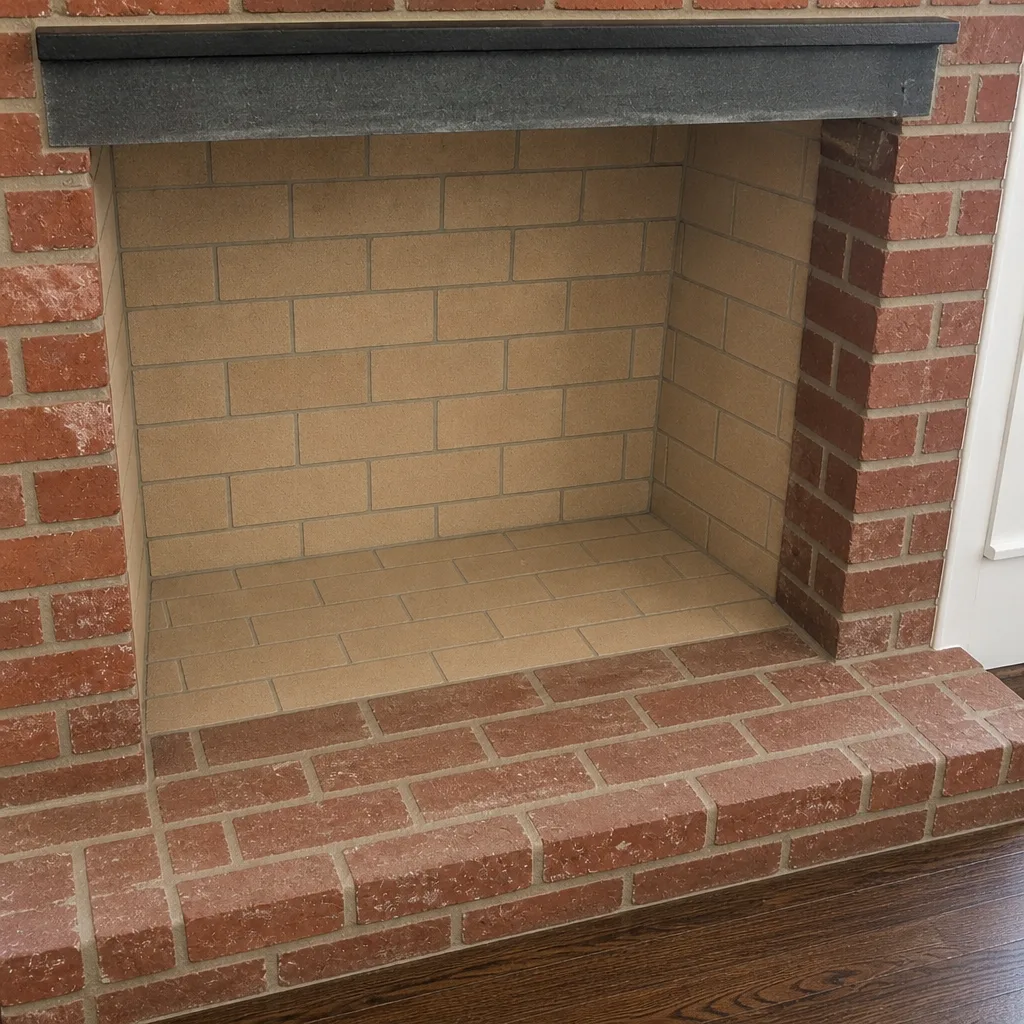 After
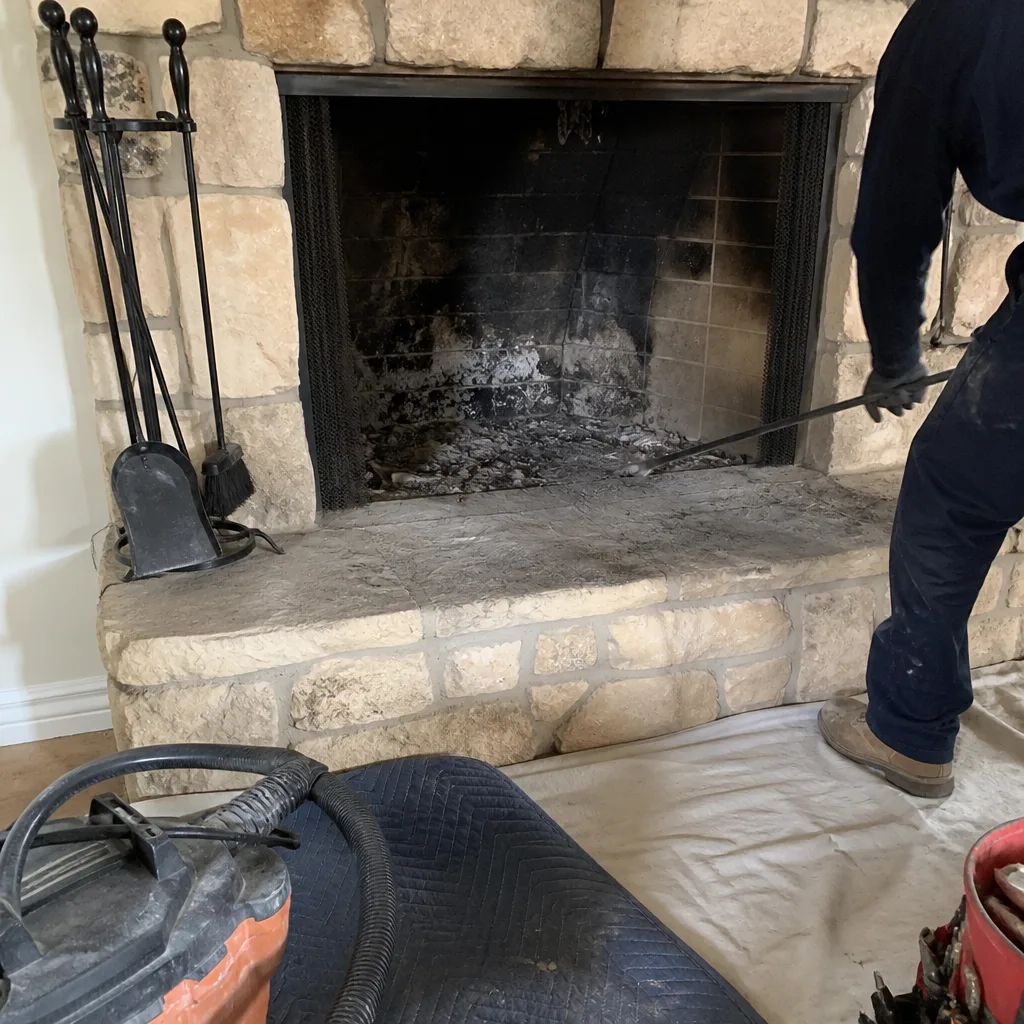 Before
 After
 Before
 After
When to Call a Professional
Some chimney work is straightforward to manage yourself – keeping firewood dry, watching smoke behavior, noting a stain on the ceiling. The line is condition and repair. Call a professional if you’re not sure of the flue’s condition, if you’ve seen or suspected a chimney fire, if you notice moisture staining, if an animal gets into the flue, if your smoke doesn’t draw up but pushes back into the room, or if the firebox shows cracked mortar or loose brick. And always call before the first fire of the season unless you’ve had a proper camera inspection in the last year – the inside of the flue is not something you can assess from the ground.
Modesto Chimney Sweep offers free estimates in Modesto – call (855) 360-6515. We answer 24/7. Fast dispatch from 7am to 7pm, Sunday through Friday.
Frequently Asked Questions
Most Modesto homes need an annual inspection, with a sweep based on what the camera shows rather than a fixed calendar. Homes that burn heavily or use wet wood may need sweeping every year; episodic burners with clean deposits may be able to go longer. Call (855) 360-6515 for an exact quote on an inspection and sweep – estimates are free.
Creosote accumulates, the crown cracks, moisture gets in, and the flue liner degrades – all quietly, mostly in the off-season. The worst-case result is a chimney fire or a carbon monoxide problem from a blocked or damaged flue. Skipping a year isn’t a disaster; skipping several years typically is. An inspection catches what’s accumulating before it becomes a repair.
Not necessarily – that’s what the camera inspection is for. A liner gets relined when the camera shows cracks, gaps, or separations that can’t be restored, and a HeatShield resurfacing is often a better option than a full reline when the damage is limited. We don’t recommend a liner replacement without showing you the evidence, and we’ll tell you when a repair can safely wait. Call (855) 360-6515 and we’ll walk you through what an inspection reveals.
Heat expands the masonry crown, and cool nights contract it, opening hairline cracks over the summer months. Once those cracks exist, the tule fog and damp winter air have a path into the structure. Add animal intrusion during the dormant season, and summer becomes the most damaging season for a Modesto chimney – even though most people never think about it then.
Local air quality restrictions can prohibit burning on certain days, and the rules are worth checking before you light a fire. From a chimney-care perspective, the more important habit is burning dry wood in short, hot fires when conditions allow, and avoiding long smoldering fires that produce heavier deposits. When in doubt, check the current restriction before burning.
Get a professional inspection of the flue and firebox before you burn. The camera inspection reveals condition, the draft test confirms the chimney will draw, and the damper gets lubricated and checked for full range of motion. That one visit is the difference between a safe season and a surprise. Call (855) 360-6515 to book it – estimates are free.
The Bottom Line
Chimney care in Modesto runs on a four-season calendar, and the season that does the most damage is the one when nothing is burning. Summer cracks the crown and invites animals in. Fall is the safety checkpoint before the first fire. Winter is where burning habits determine how much cleaning you’ll need. Spring is when you sweep, clear the firebox, and let the flue breathe instead of sealing it shut. Add the Central Valley’s episodic burn windows and you have a maintenance rhythm that matches this climate – not a generic national checklist.
Modesto Chimney Sweep handles inspection, cleaning, and repair as one service, with professional-grade materials from DuraFlex and HeatShield and components from Copperfield, Olympia Chimney, Gelco, and Famco. Our technicians have up to 9 years of experience. If you’re ready to build a real year-round plan for your chimney, call (855) 360-6515 for a free estimate. We answer 24/7. Fast dispatch from 7am to 7pm, Sunday through Friday.
Written by the team at Modesto Chimney Sweep.