
Last updated November 16, 2026
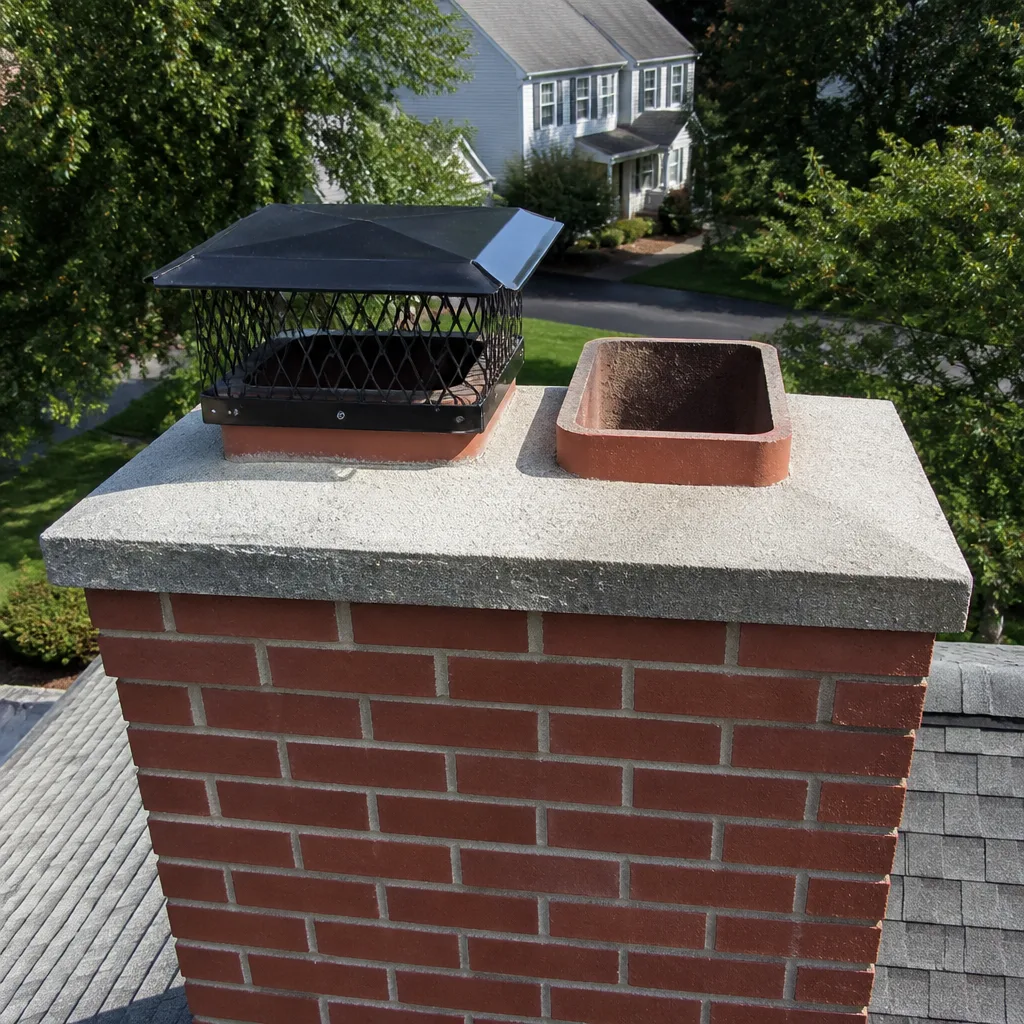 Sweep & inspection
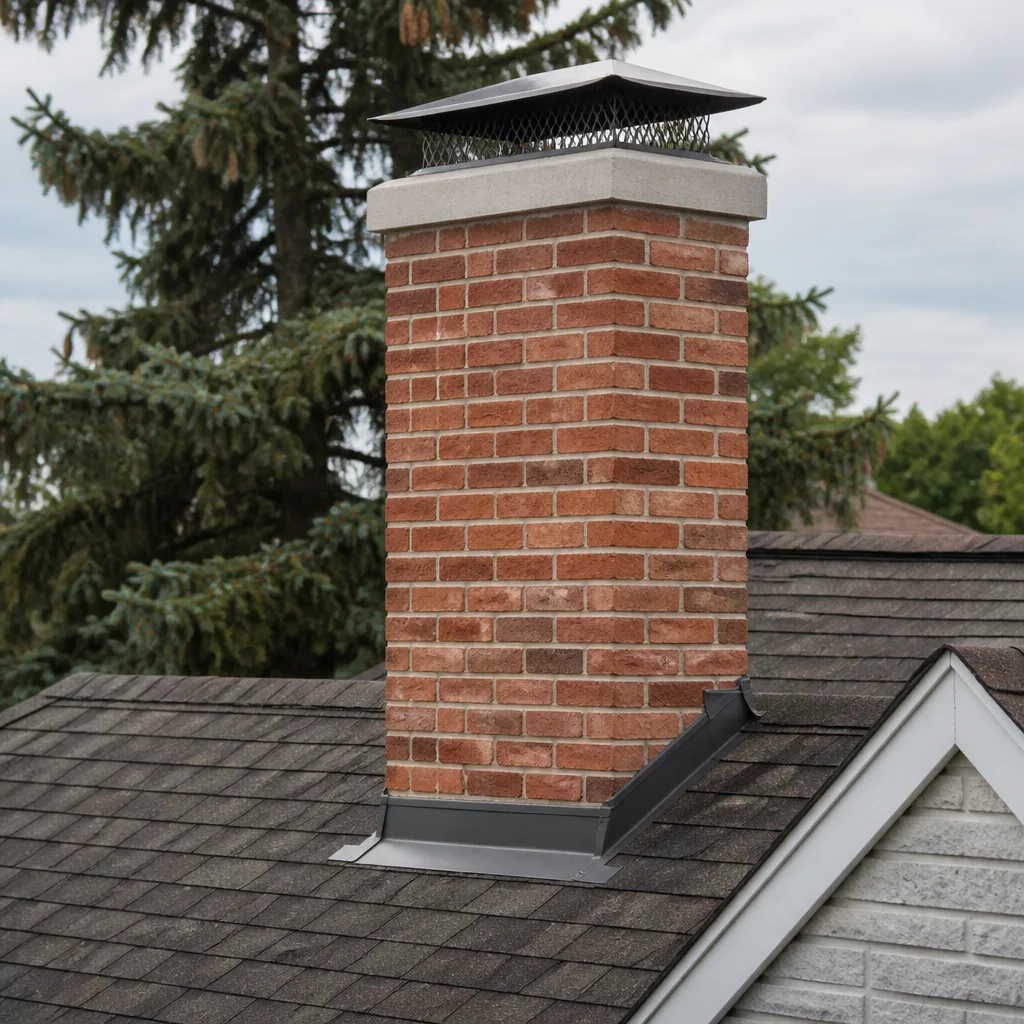 Caps & crowns
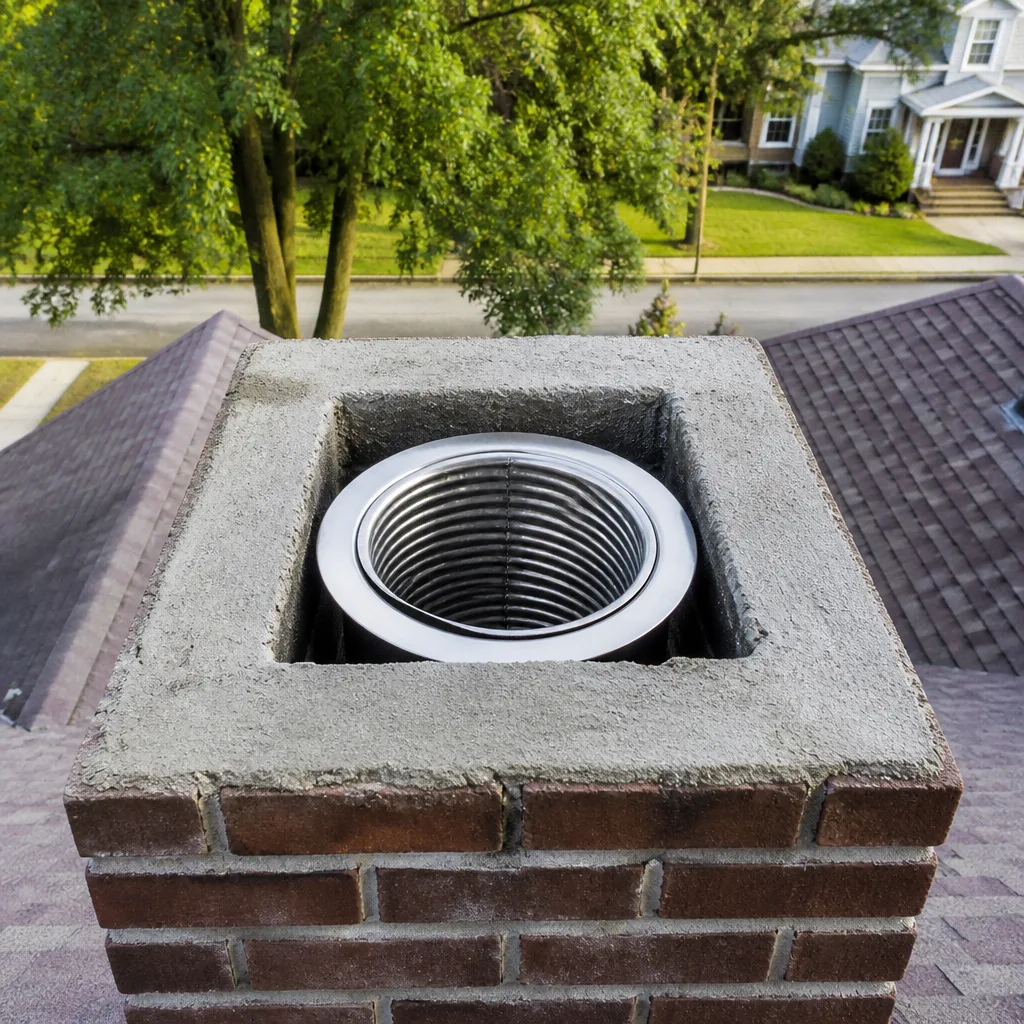 Flue relining
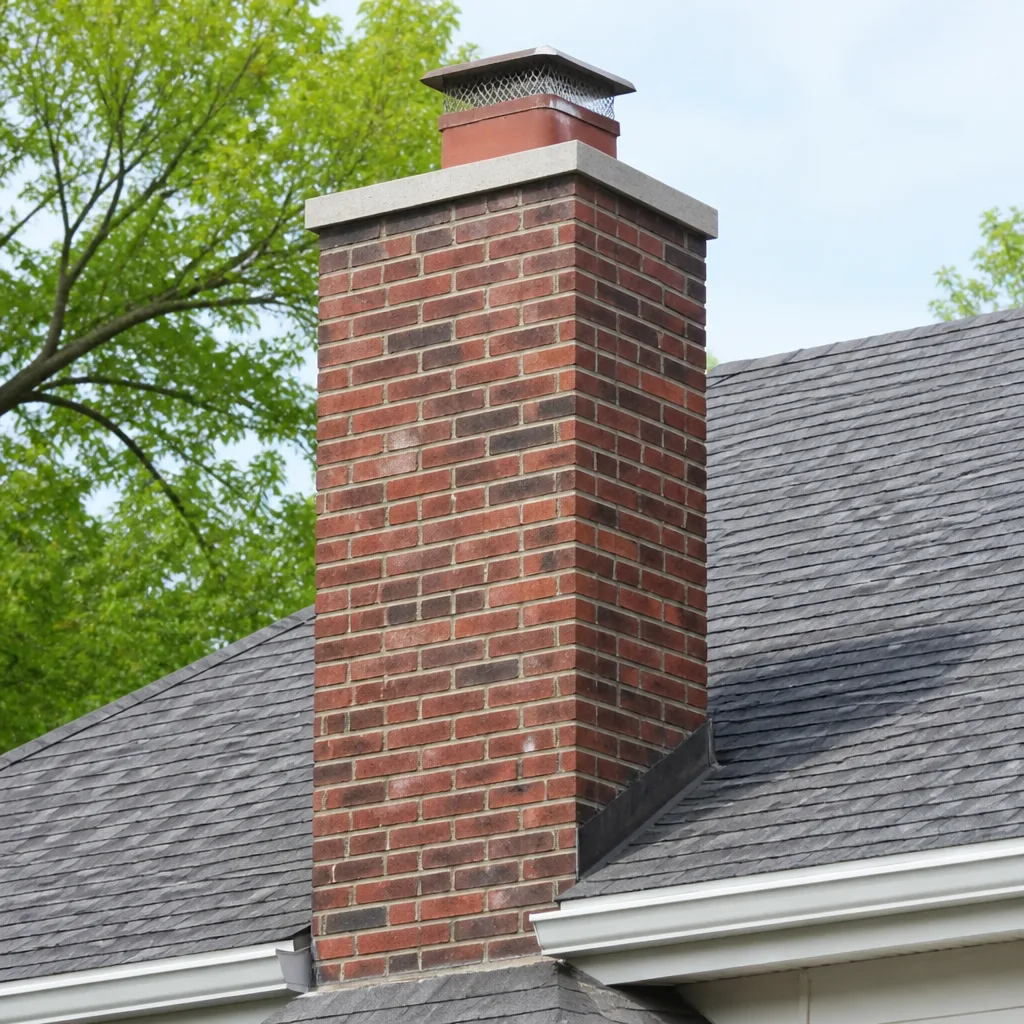 Masonry repair
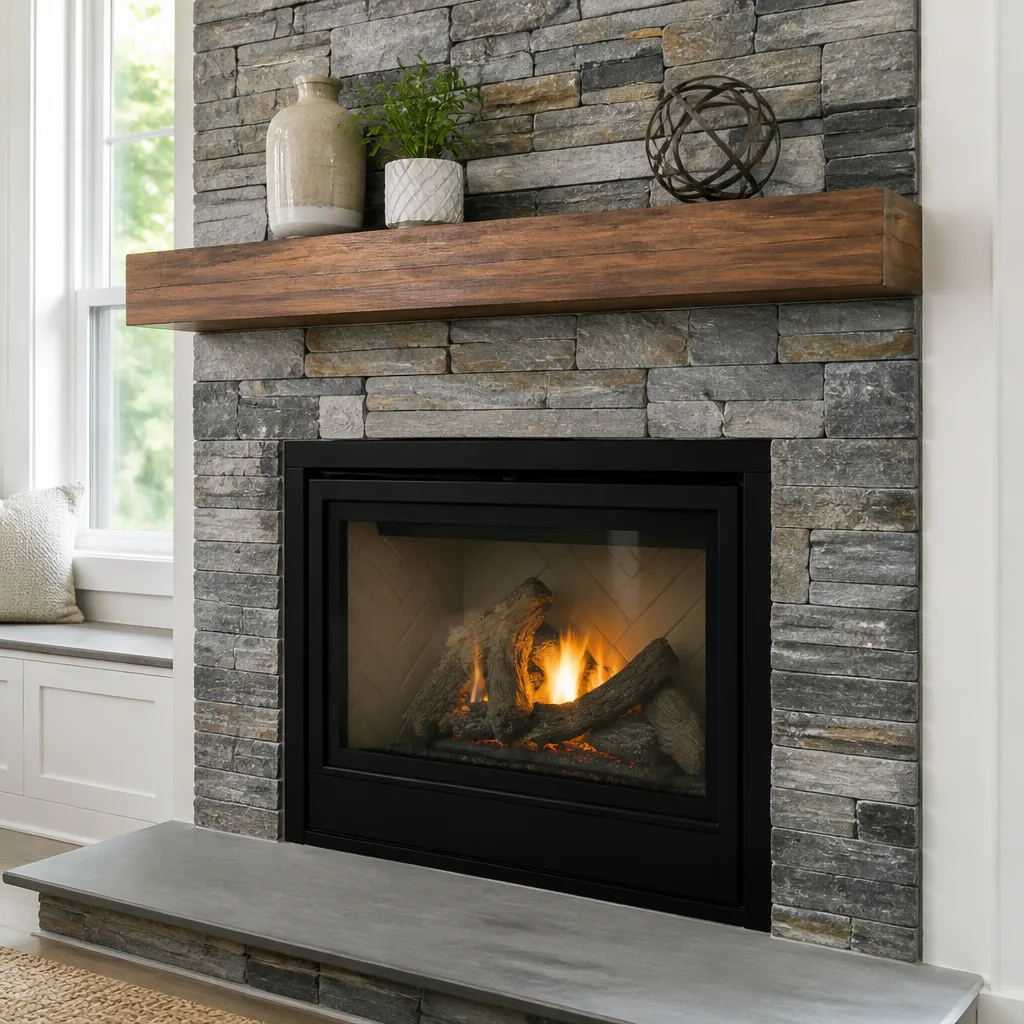 Gas fireplace service
Level 1 sweep and inspection to the NFPA 211 annual standard - flue, crown, cap, and flashing checked and photographed
Chimney sweep logs do not sweep chimneys. They loosen some creosote - which then falls where a brush and vacuum still have to collect it.
Chimney Sweep Maintenance Checklist for Modesto Homeowners
Generic chimney checklists tell you to “check for cracks.” That’s not wrong, but it’s not useful either. Wood and masonry don’t fail evenly, and in Modesto they fail in a predictable order. The crown sealant goes first. Then the mortar joints on the shaded side of the stack. Then the smoke shelf, where creosote and moisture collect because nothing on a national checklist ever tells you to look there. The Central Valley’s tule fog, dry summers and sudden thermal swings put specific stress on a chimney that a one-size-fits-all list doesn’t account for. This guide gives you a checklist built around Modesto’s actual conditions, broken into a season-by-season routine, plus material-specific checks for masonry and factory-built fireplaces. You’ll also learn how to log what you find so a technician can spot deterioration over time instead of just the damage of the moment.
Quick Answer
A thorough chimney maintenance routine in Modesto has four parts: a September pre-season inspection of the crown, flashing, cap and animal screening before you light the first fire; monthly checks during active burning from November through February, watching draft and odor after major rain; a March post-season review with written documentation before the fireplace goes dormant; and a year-over-year log so you can track slow deterioration. Masonry and factory-built systems need different checklist items because they fail in different places. Schedule a professional sweep and camera inspection once a year, and more often if you burn heavily.
Styles & brands we work with
- Sweep & inspection
- Caps & crowns
- Flue relining
- Masonry repair
- Gas fireplace service
Table of Contents
- The September Pre-Season Checklist
- The In-Season Checklist (November Through February)
- The March Post-Season Checklist
- Material-Specific Checks: Masonry Chimneys
- Material-Specific Checks: Factory-Built and Metal Systems
- How to Log Findings Year Over Year
- Common Mistakes to Avoid
- When to Call a Professional
The September Pre-Season Checklist
September is the right month in Modesto for a simple reason: summer dormancy hides problems. Your fireplace hasn’t been used in months, so nothing has had a chance to smoke, smell or backdraft and tip you off. Once fall rain arrives, water finds every crack that opened during the dry season. Getting eyes on the system before the first burn is how you catch damage while it’s still cheap to fix.
Work top to bottom, because that’s how water enters:
- Crown sealant condition. The crown is the concrete cap at the top of a masonry chimney. Look for hairline cracks, crumbling edges, or sealant that has pulled away from the flue. Even a small opening lets water soak into the masonry below.
- Flashing and roof-line joint. Check where the chimney meets the roof. Lifted or rusted flashing is the most common entry point for leaks that show up as a ceiling stain weeks later.
- Spark arrestor and cap. Confirm the cap is intact and the mesh is clear. A missing or damaged cap lets rain, birds and squirrels straight into the flue.
- Animal screening. Fall is when wildlife looks for warmth. Check that screening over the flue and any side openings is secure. A nest built in September becomes a blockage and a fire risk by December.
- Flue and firebox interior. Shine a light up the flue and check for soot buildup, cracked liner tiles, or a rough, flaking surface. Look at the firebox joints for gaps.
- Smoke and carbon monoxide detectors. Test every unit on each level and replace batteries. This one isn’t about the chimney, but it’s part of the same system.
- Draft test. Light a small fire or a smoke test and confirm the chimney pulls. Weak draft in September often means a blockage or a liner problem you can fix before the season.
If you find loose cap pieces or a compromised crown, that’s repair territory, not cleaning territory. Fixing the top of the stack first protects everything below it. A proper cap and cover installation with products from Gelco or Famco keeps the whole assembly weather-tight and stops the repeat service calls that come from a chimney that’s letting water in every storm.
The In-Season Checklist (November Through February)
During the heart of burning season in Modesto, your job shifts from inspecting to monitoring. You can’t see inside the flue while you’re using it, but the system tells you things if you know what to watch. This is the phase most homeowners skip, and it’s where small problems turn into mid-winter repairs.
- Draft performance after heavy rain. Damp air and wet masonry can weaken draft. If the fireplace smokes back into the room after a storm and then improves, moisture is getting in somewhere. Note it and watch for a pattern.
- Odor changes. A faint smoky smell on a cold, unused fireplace is normal. A sharp, acrid or tar-like smell that’s new is not. It can signal creosote buildup or a draft reversal. Any persistent new smell is worth a look.
- Creosote accumulation. Glance up the flue between burns. Glossy, hardened creosote (the kind that looks like black glass) is the dangerous stage and needs professional removal.
- Smoke color and volume. Thick, dark smoke means incomplete combustion, often from wet wood or a restricted flue. Dry, seasoned wood burns cleaner and produces far less creosote.
- Glass and firebox staining. On factory-built units, heavy soot on the glass within a few burns points to airflow or draft trouble.
- Cap and screen after storms. Check that the cap hasn’t shifted and the mesh is still clear. Storm debris and bird nesting can close off a flue quickly.
- Ash management. Keep an inch or so of ash bed for insulation, but don’t let it pile up to the grate. Empty ash into a metal container with a lid, never a paper bag or plastic bin.
Keep a small notebook near the hearth and jot down anything that changes: the date, what you noticed, and how the fire behaved. That log becomes genuinely useful later. A draft issue that shows up on the same dates every winter, or that only follows rain, tells a technician exactly where to look. And a wood-burning system that’s venting poorly isn’t just inefficient; carbon monoxide is a real risk from any fuel-burning appliance, so any change in how the chimney draws deserves attention.
The March Post-Season Checklist
March in Modesto is when the fireplace goes quiet and the work becomes paperwork and planning. This is the phase homeowners care least about and get the most from. What you document now saves you guesswork next fall, and it’s the best time to plan a cleaning so you’re not scrambling in October.
- Do a final visual pass. With the fire out and the firebox cool, check the firebox, damper and flue for anything new that showed up over the season.
- Note the condition of the crown and flashing again. Compare to what you logged in September. Did a new hairline crack appear over the winter? That’s a trend worth tracking.
- Record what you burned and how much. Roughly how many cords or how many fires per week. Burn volume drives how often you need cleaning.
- Write down any symptoms from the season. Odor, draft problems, smoke backdrafts, staining. Dates and conditions (rain, cold snap, wind direction) make this valuable.
- Schedule next year’s cleaning now. A professional cleaning with a camera inspection is the backbone of the whole routine. Booking it in spring keeps it from getting squeezed when everyone lights up in the fall.
- Cover the opening if the chimney will sit dormant. A properly fitted cover keeps out moisture, dust and wildlife through the off-season.
- Store your log somewhere you’ll find it. A folder or a note on your phone. Year-over-year comparison only works if you keep the record.
This is also the point to decide whether you’re scheduling a full chimney sweep or just an inspection. If you burned all winter, you want both. A cleaning without an inspection misses cracks and gaps the sweep can’t address; an inspection without cleaning can’t see the whole flue. Doing them together is more thorough and costs you one visit instead of two.
Material-Specific Checks: Masonry Chimneys
Masonry chimneys are built from brick, mortar and clay flue tiles. Different materials age differently, and in Modesto they have their own failure order. Thermal expansion is the driver here: hot days and cool nights, plus the heat of a fire, push and pull the structure. Water does the rest.
- Mortar joints on the shaded, north-facing side. The north side of a stack stays cooler and damper longer. That’s where mortar crumbles and joints fail first. It’s also the side most homeowners never check.
- The crown and the top course of brick. The crown takes the most sun and moisture. When it cracks, water moves straight into the masonry below. Rebuilding or resealing a crown is a fix you want to make early.
- The smoke shelf. That ledge just above the damper is where creosote and moisture collect. It’s a classic blind spot. A rough, coated smoke shelf is a sign of moisture and buildup that needs attention.
- Flue liner tiles. Cracked or separated tiles expose the surrounding masonry to heat and corrosive gases. This is the check that matters most for safety, and why a camera inspection is worth it.
- Spalling brick. Flaking, powdery faces on brick mean moisture is inside and pushing out. Catch it early and the repair is small.
- Efflorescence. White powdery staining on brick is a moisture indicator, not just cosmetic.
When a masonry flue has cracked tiles or a compromised liner, you have options short of a rebuild. HeatShield flue resurfacing is a non-demolition repair that restores a damaged liner from the inside, and it carries its own manufacturer warranty. When the liner needs replacing outright, a DuraFlex flexible liner system is the professional-grade route. Both keep you from tearing out a chimney to fix what’s wrong inside it.
Material-Specific Checks: Factory-Built and Metal Systems
Factory-built fireplaces and metal chimney systems age in completely different ways from masonry. If your chimney has a metal flue pipe or a pre-manufactured firebox, your checklist needs a different set of items. What you shouldn’t do is treat it like masonry.
- Liner integrity and connections. Metal flue sections join at seams. Look for separated joints, corrosion or gaps. A loose joint is a serious draft and carbon monoxide concern.
- Firebox panels. Factory-built units have refractory panels that can crack. Small hairline cracks are often fine; a deep crack or missing chunk is not.
- The cap and top plate. These units rely on a tight cap and storm collar. Loose pieces let water run down the outside of the flue.
- Gaskets and seals. Door and glass gaskets harden over time. A worn gasket lets air in and reduces control of the fire.
- Draft and clearance to combustibles. Confirm nothing has been stored against the chimney or built up around the vent. The clearances the manufacturer specified are there for a reason.
- Manufacturer-specific maintenance. Factory-built units have their own maintenance requirements. Your log should include the model and what the manual specifies.
One note that matters for both types: gas appliances vented through a chimney need attention too. A vented gas fireplace or gas log set produces moisture and has its own draft and venting requirements. Annual inspection applies whether you burn wood or gas, and a specialist should look at a gas-vented system just as carefully as a wood-burning one.
How to Log Findings Year Over Year
Point-in-time damage is easy to spot. Trend deterioration is where real money hides. A crown crack that’s the same width every March is stable. A crown crack that’s grown noticeably by the next March means water is working its way in, and resealing now is far cheaper than rebuilding later. The only way to tell the difference is a written record.
Keep it simple. A page per year, dated, with the same categories each time:
- Crown condition: intact, minor cracks, or open cracks; sealant in place or pulled away.
- Flashing: secure, lifting, or rusted.
- Cap and screen: secure, damaged, or clear.
- Mortar joints: solid, minor crumbling, or open, with which side of the stack.
- Flue and liner: what the sweep and camera inspection found, with photos.
- Firebox and damper: condition and any changes.
- Usage: roughly how much you burned and what symptoms came up.
- Work done: cleaning, repairs and dates, with any product or liner details.
Keep the inspection photos with the log. Camera photos are evidence, and comparing this year’s flue to last year’s shows a technician exactly what’s changing and how fast. It also keeps you honest about when a repair can safely wait and when it can’t. When we walk a homeowner through their own record, the decision about repair timing is theirs to verify, not something they have to take on faith.
Common Mistakes to Avoid
- Cleaning a damaged flue before fixing it. Cleaning a cracked or broken liner and then lighting a fire puts heat and gases where they shouldn’t go. Inspection comes first, and in our experience that order is what protects you.
- Skipping the crown and the shaded side of the stack. Most checklists say “check for cracks” and stop. In Modesto, the crown and the north-facing mortar are where cracking starts.
- Burning wet or green wood. Damp wood burns cold and smokes, which builds creosote fast. Seasoned, dry wood is the difference between a slow buildup and a dangerous one.
- Treating a factory-built unit like masonry. The failure points are different. Using masonry assumptions on a metal flue lets real trouble hide in the seams.
- Ignoring a new smell or weak draft. A change in odor or draft after rain is a symptom, not a quirk. Note it and get it looked at.
- Letting a hardware-store cap or patch stand in for a proper repair. A loose patch on a flue or crown is a temporary cover at best. Professional-grade materials are what hold up through the seasons.
- Relying on a “check for cracks” list with no written record. Without a year-over-year log, you can’t tell stable damage from worsening damage, and you wind up guessing.
When to Call a Professional
Some items on this checklist are homeowner territory: test your detectors, peek at the cap, note a smell. Others need trained eyes, a camera, and the ability to make the repair. Call us when you find cracked crown or damaged flashing, when you see spalling brick or white staining, when a new smell or weak draft shows up after rain, when the flue liner looks cracked or rough, or when it’s simply been a year since your last chimney sweep. The most important rule is the safety one: a cracked flue, a separated seam, or a compromised liner isn’t a wait-and-see item. It’s why you call a trained professional rather than climb up to patch it yourself.
If you’re in doubt about whether a repair is urgent, that’s exactly the conversation worth having. Nothing gets recommended without camera evidence you can see for yourself, and we’ll tell you plainly when work can safely wait. If it’s our first time at your home, you may want to read about what a proper chimney repair looks like before we start so you know what to expect.
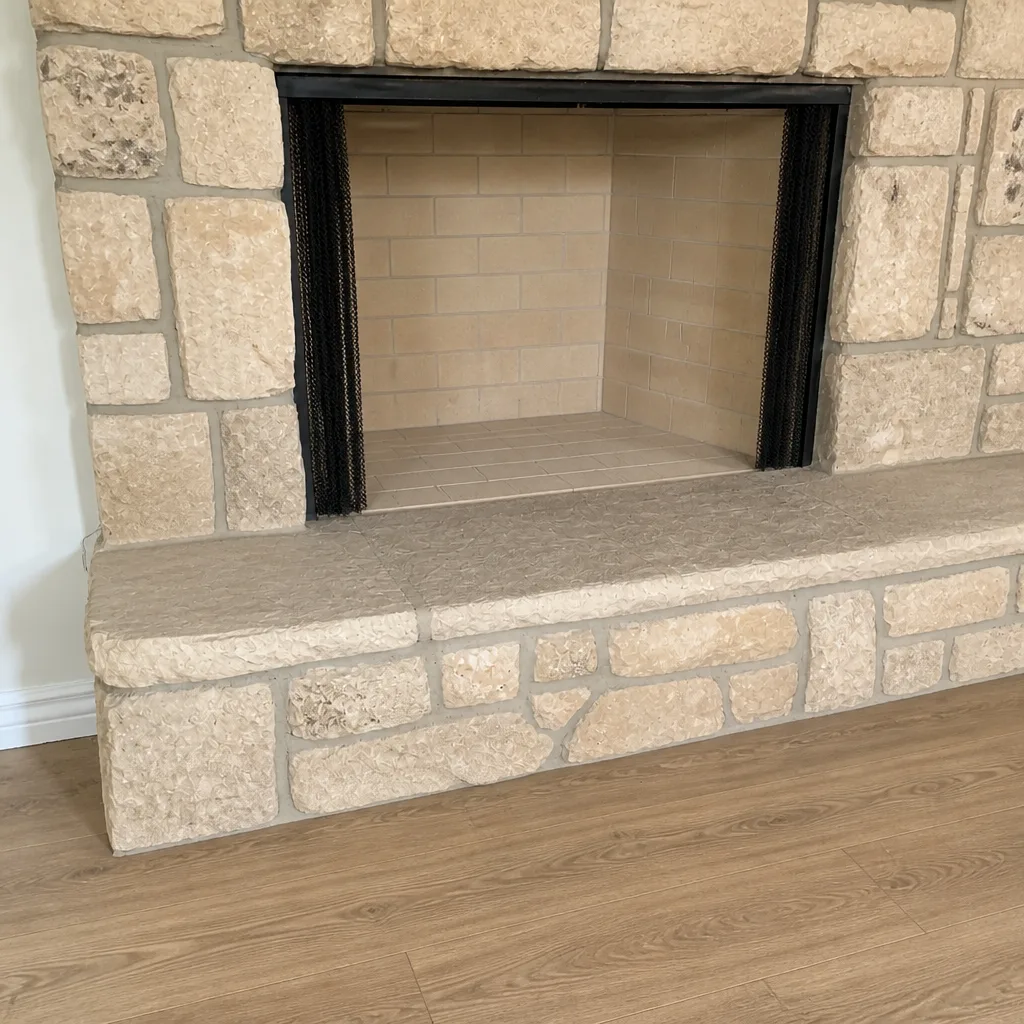
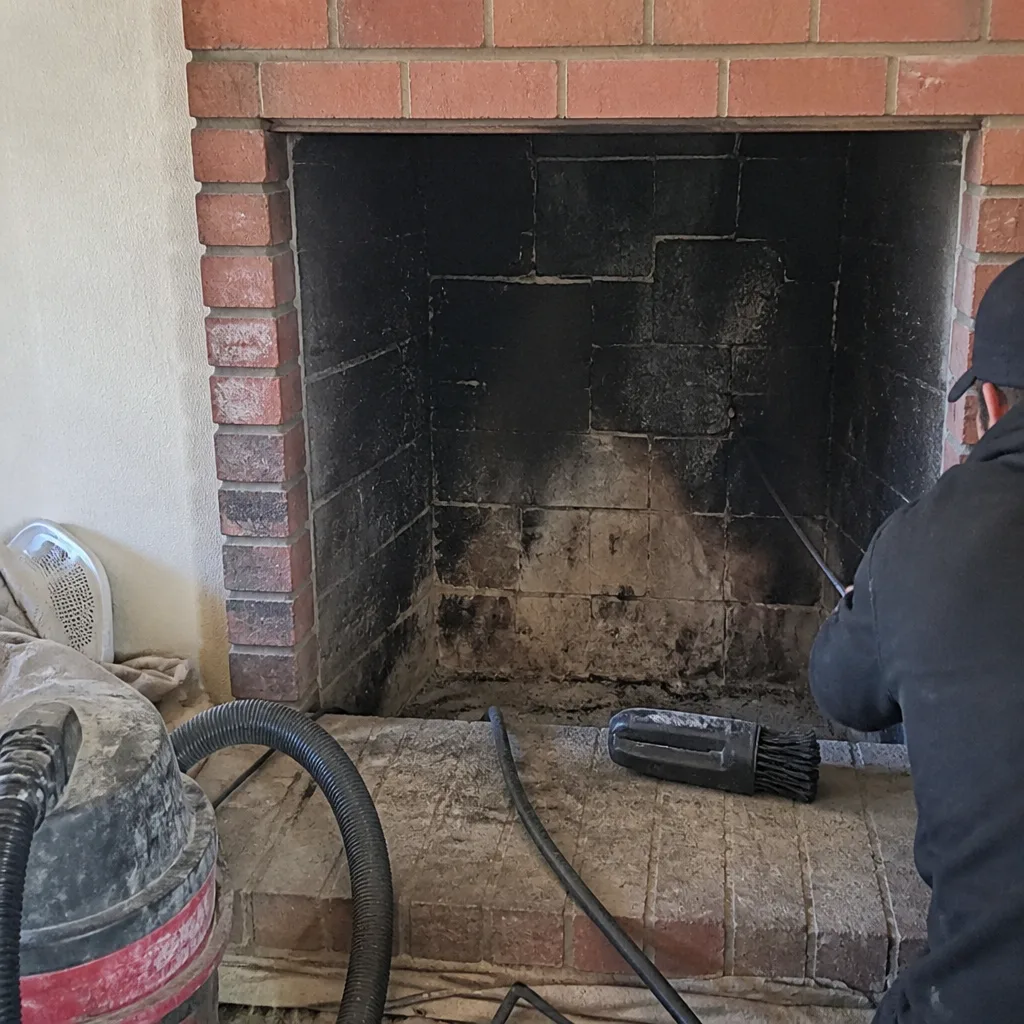
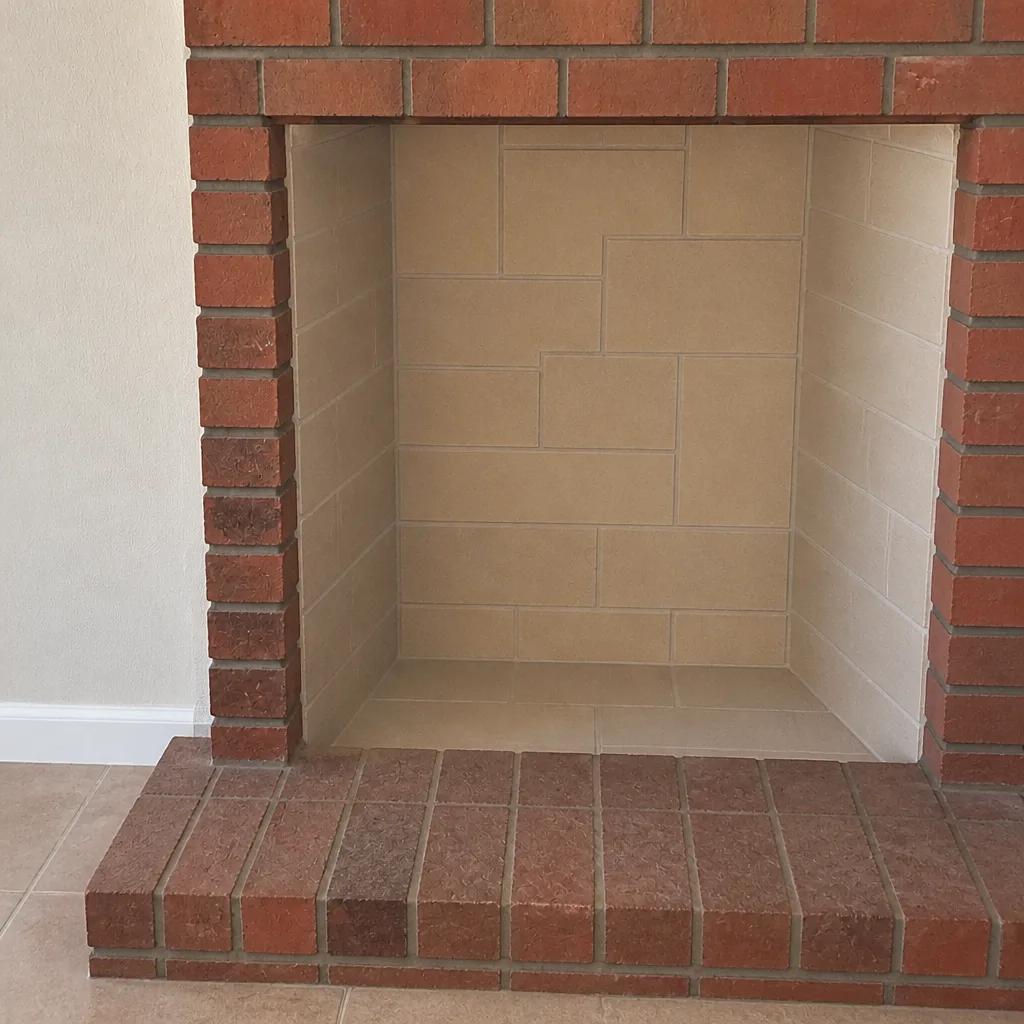
See the difference
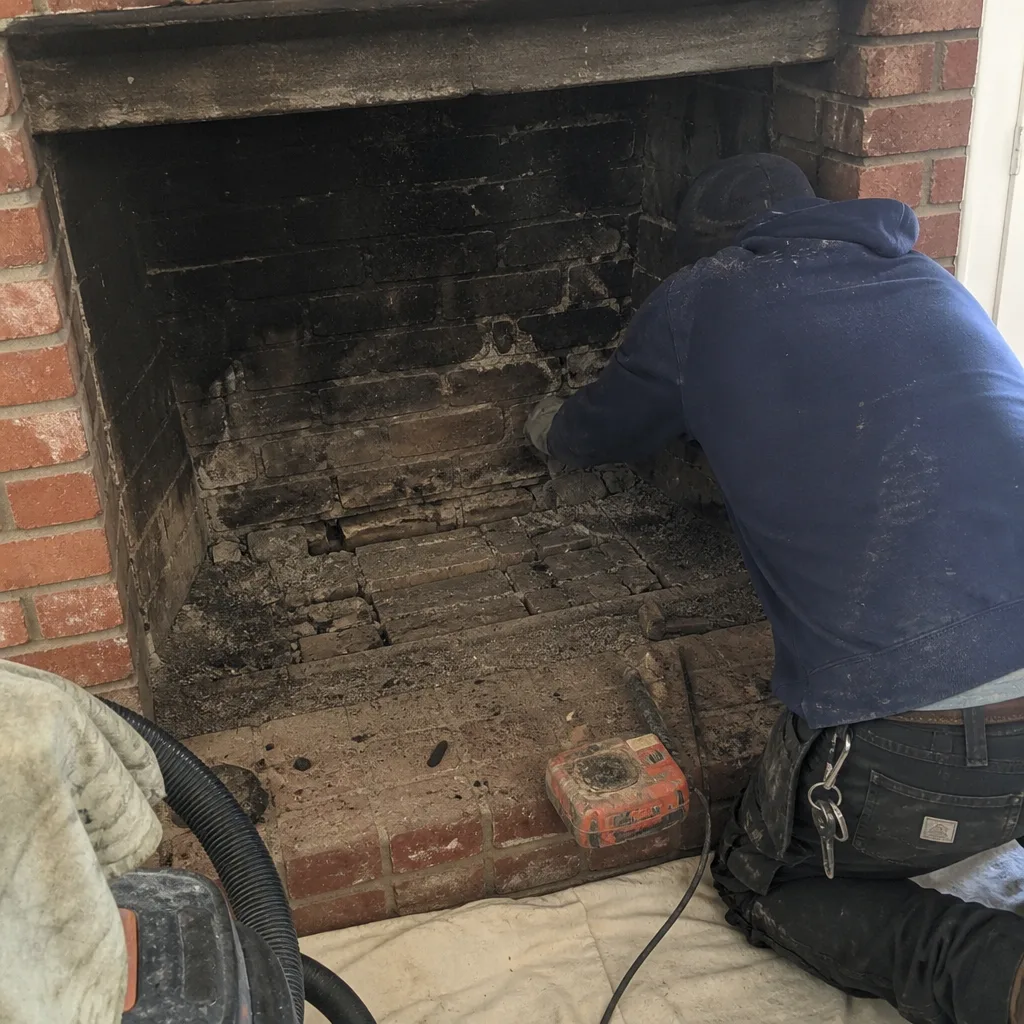 Before
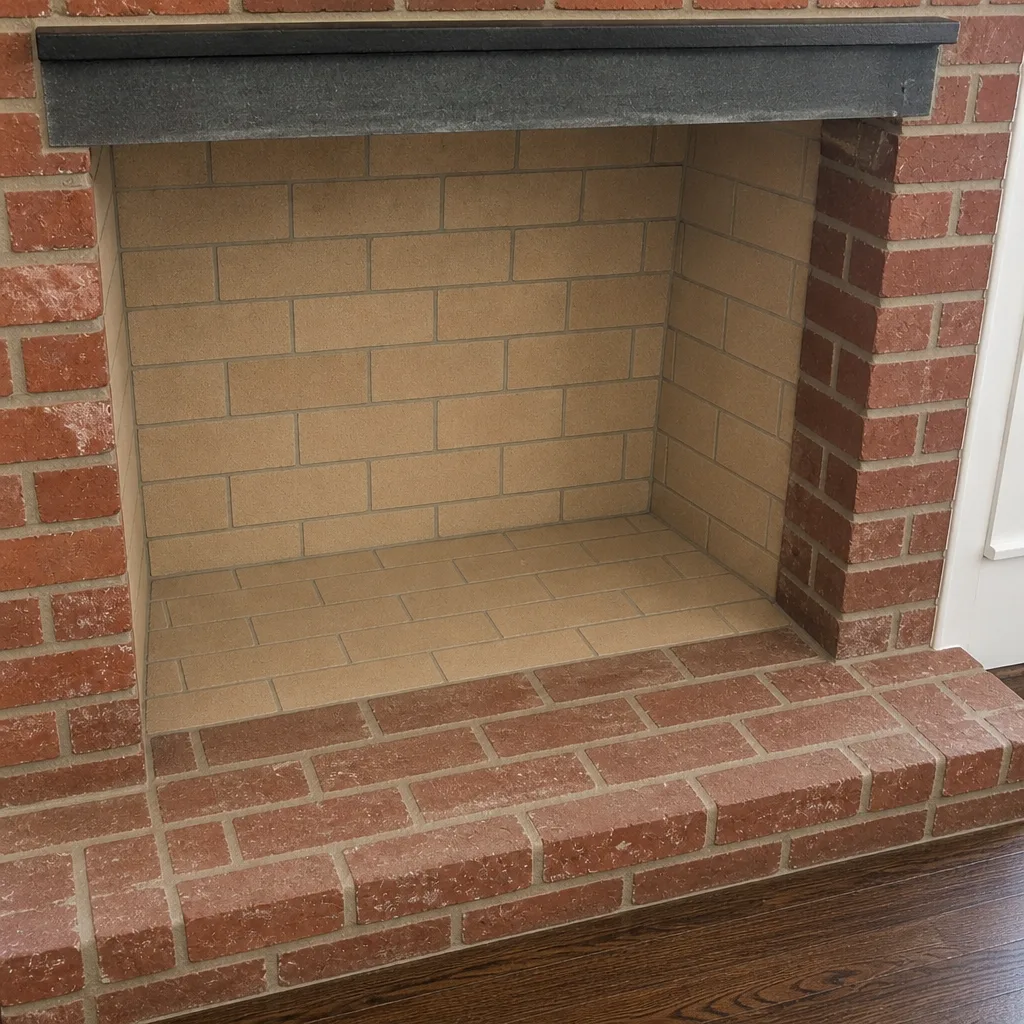 After
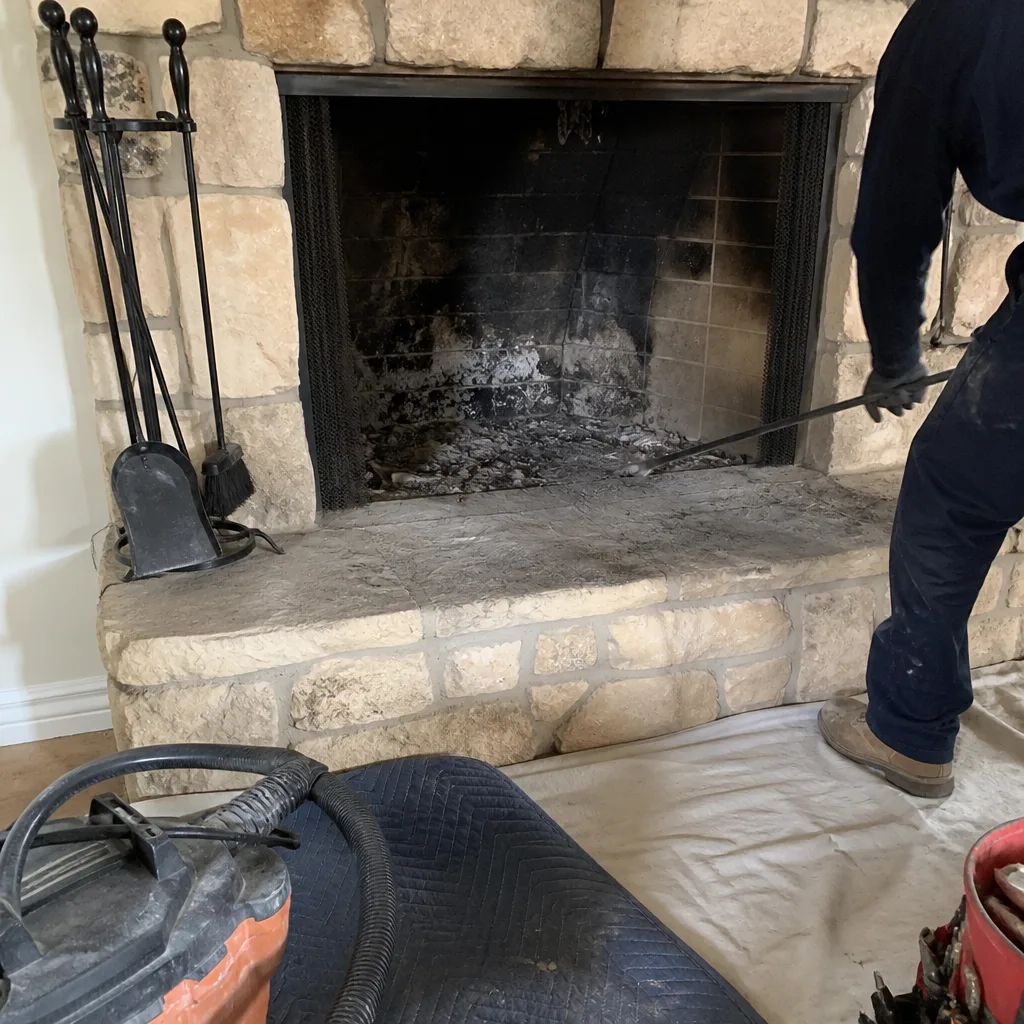 Before
 After
 Before
 After
Frequently Asked Questions
Once a year for most wood-burning fireplaces, at the start of the burning season, and more often if you burn heavily or notice heavy creosote buildup. Gas-vented appliances also need an annual inspection even though they produce little soot. Call (855) 360-6515 for an exact quote on a sweep; estimates are free.
Creosote keeps building up, and the more it builds, the more dangerous it becomes; a heavy, glazed buildup is the fuel a chimney fire feeds on. You also lose the inspection that catches cracked liners and crown damage before they become expensive. Call (855) 360-6515 to get the annual cleaning and inspection on the calendar.
Yes, because they fail in different places. Masonry fails first at the crown, the shaded mortar joints and the flue tiles; factory-built units need attention at seams, panels and gaskets. The checklist items aren’t interchangeable, so know which type you have before you inspect.
A camera inspection shows it: cracked or separated tiles in masonry, or corroded and separated seams in a metal flue. Where the liner is compromised, a HeatShield resurfacing can restore some liners without a rebuild, and a DuraFlex liner replaces one that’s too far gone. Call (855) 360-6515 and we’ll show you what the camera finds before recommending anything.
Check the cap and flashing, watch how the fireplace drafts on the next burn, and note any new smell. Smoke backdrafting after rain usually points to moisture getting in. Get it looked at if it doesn’t clear.
You can do the monitoring parts safely: test detectors, look at the cap from the ground, note smells and draft changes. Leave anything involving the flue interior, crown repair or the liner to a professional, and never burn in a chimney you haven’t had inspected if you suspect damage.
The Bottom Line
A Modesto chimney lasts longer when your maintenance routine matches the place you live, not a national template. September catches crown, flashing and screening problems before rain finds them. The burning season is for watching draft, odor and creosote. March is for documenting what you found and booking next year’s cleaning. Match the checklist to your chimney type, keep a year-over-year log so trends stay visible, and have the flue inspected with a camera once a year. When it’s time for a sweep, an inspection, or a repair, one crew can handle all three and fix what’s found in the same visit when possible. That’s how you get ahead of the expensive stuff.
Ready to get your chimney on a schedule built for Modesto? Call (855) 360-6515 for a free estimate. We answer 24/7. Fast dispatch from 7am to 7pm, Sunday through Friday. Whether you need a routine sweep, a full inspection, or a repair before next season, it’s a good time to get eyes on the whole system. Learn more about what we do at Modesto Chimney Sweep and how we serve homeowners across Modesto. Our technicians have up to 9 years of experience inspecting, cleaning and repairing wood-burning and gas-vented chimneys.
Written by the team at Modesto Chimney Sweep.