
Last updated November 16, 2026
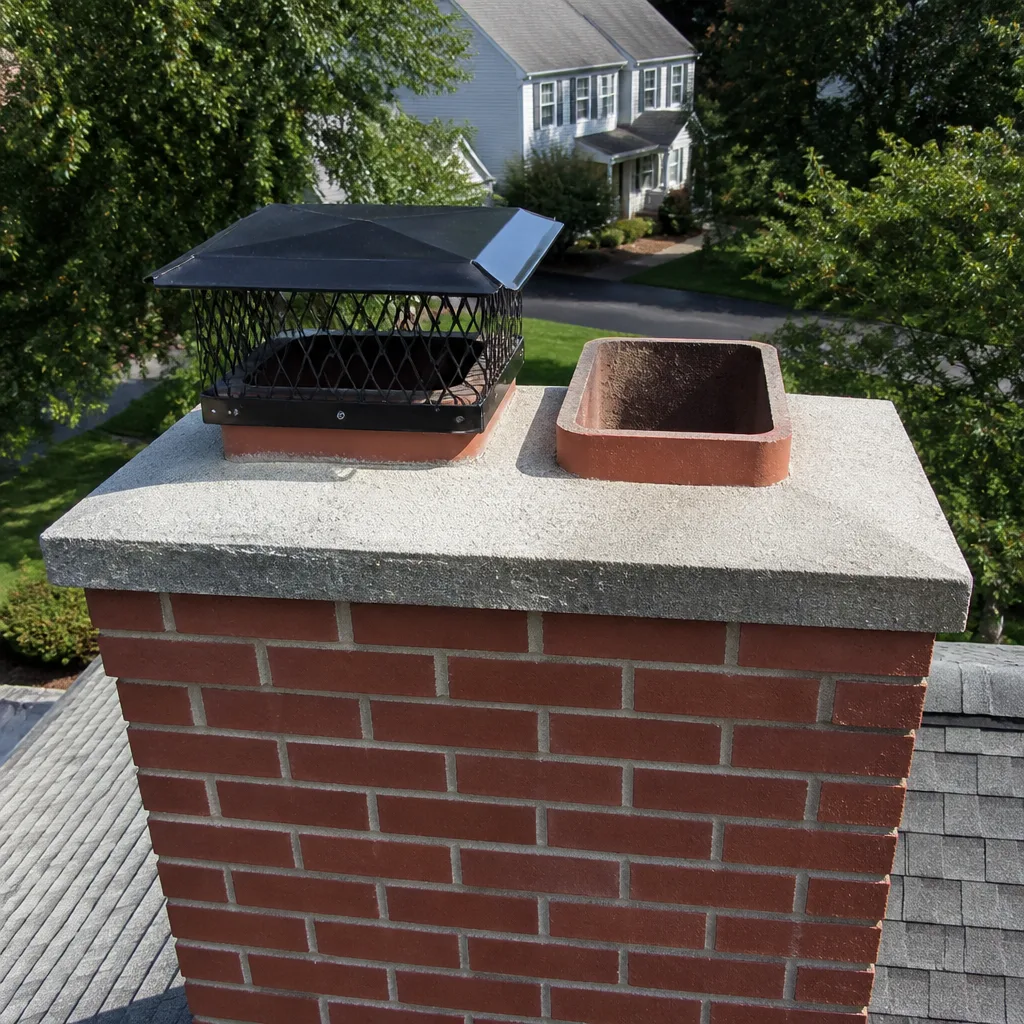 Sweep & inspection
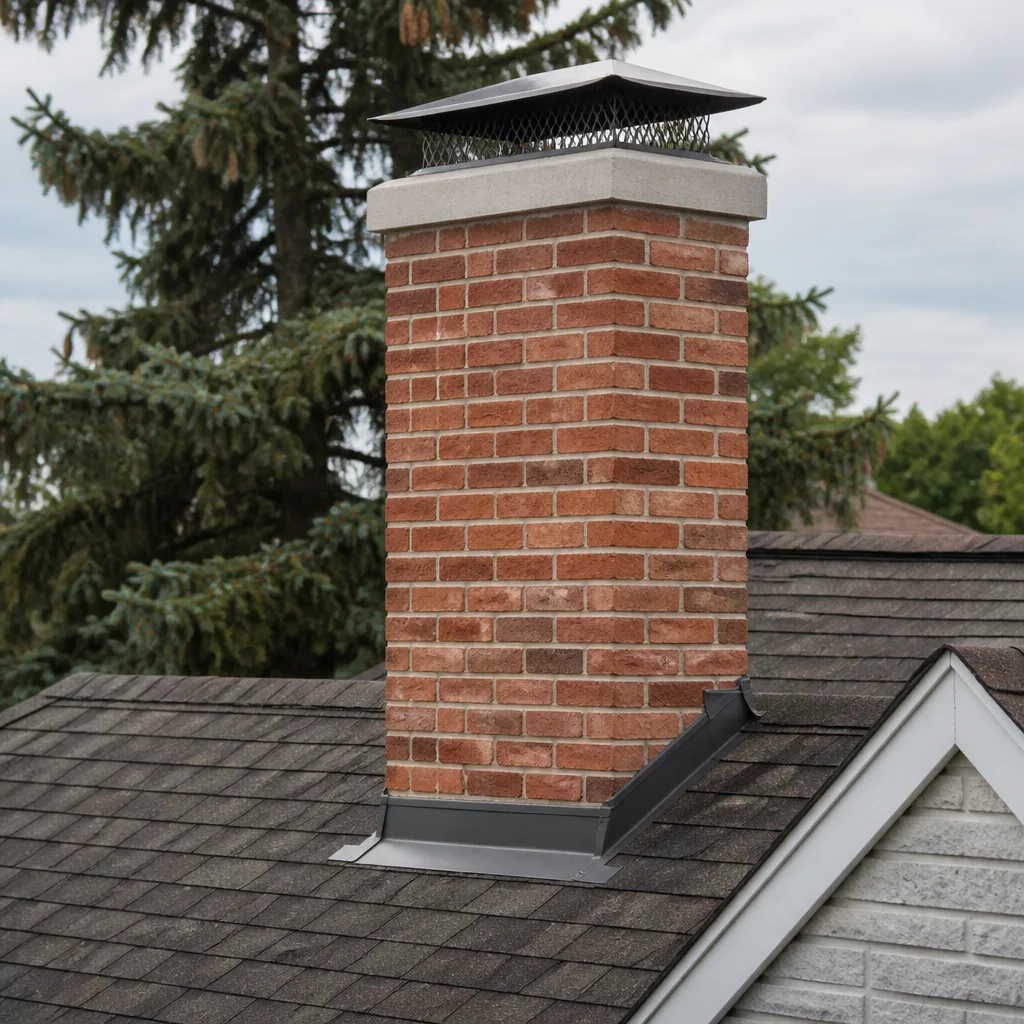 Caps & crowns
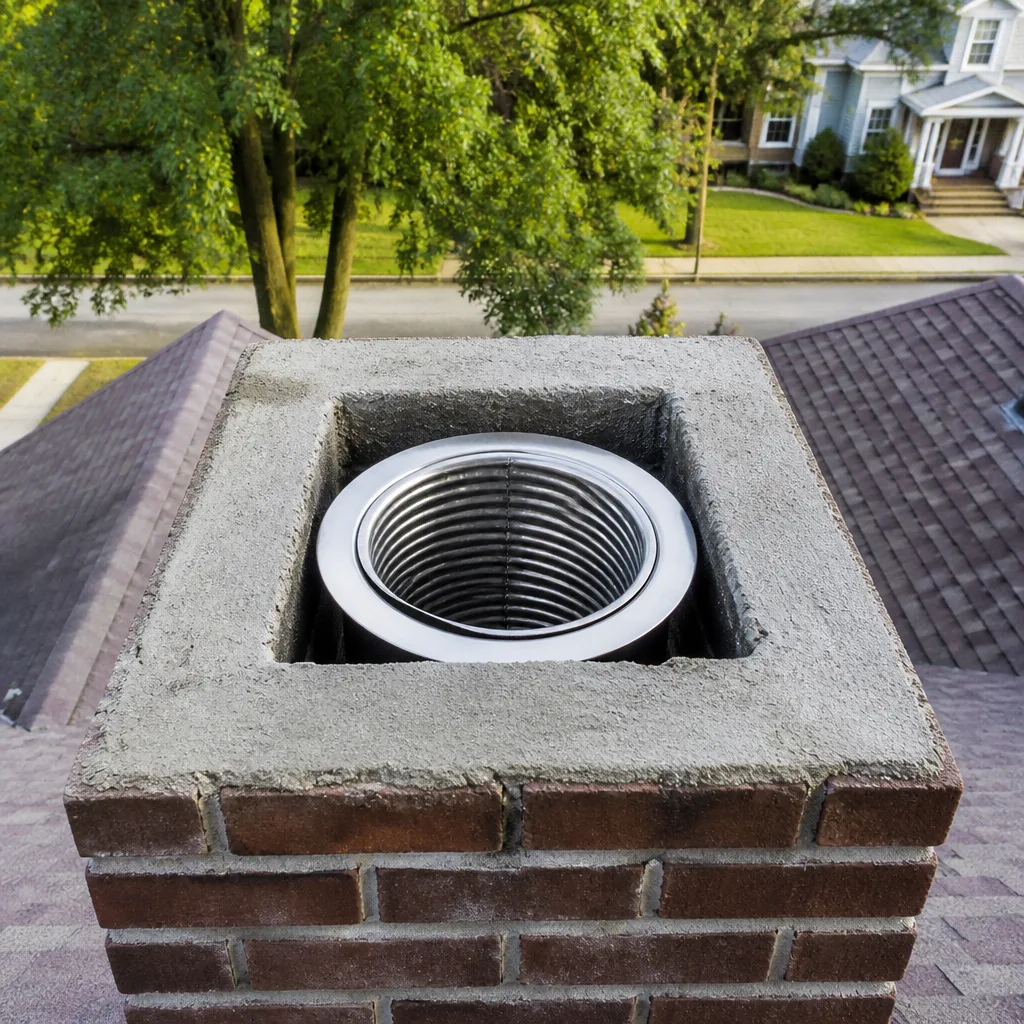 Flue relining
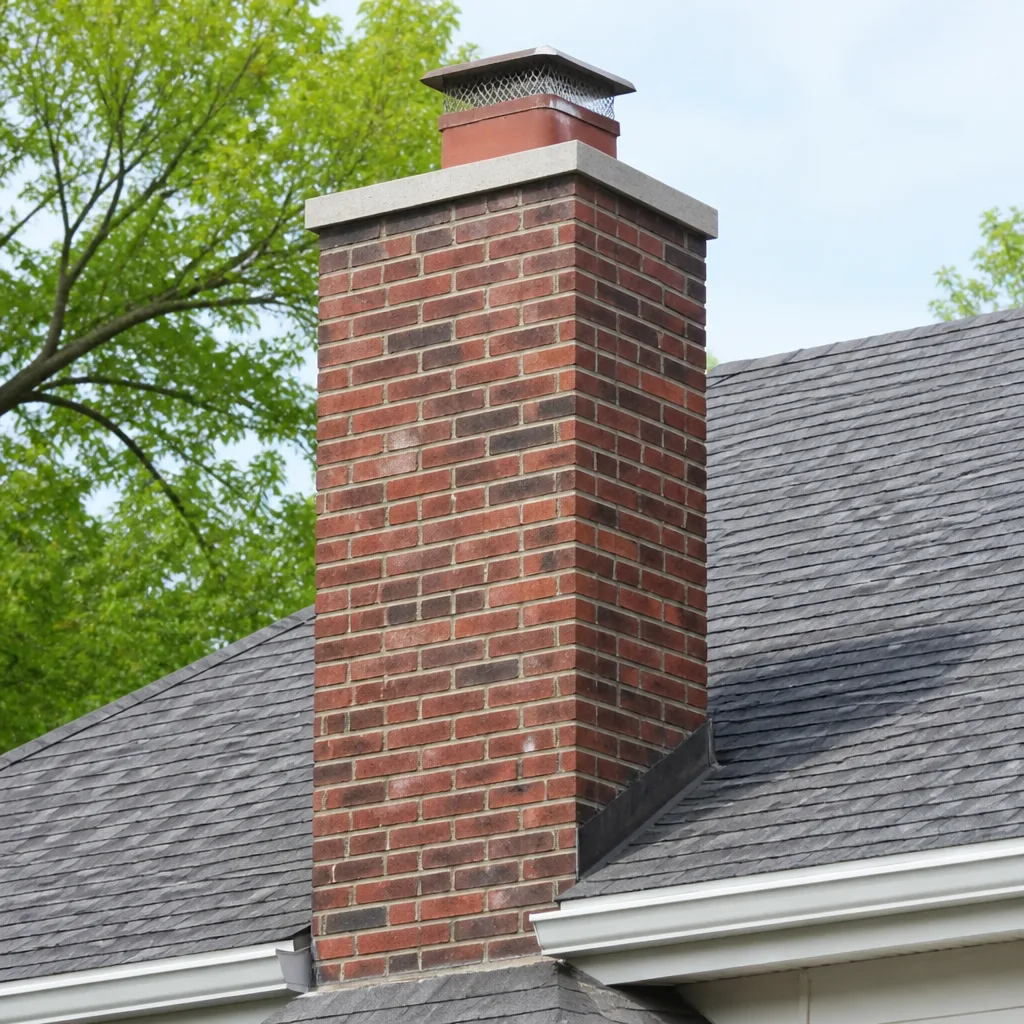 Masonry repair
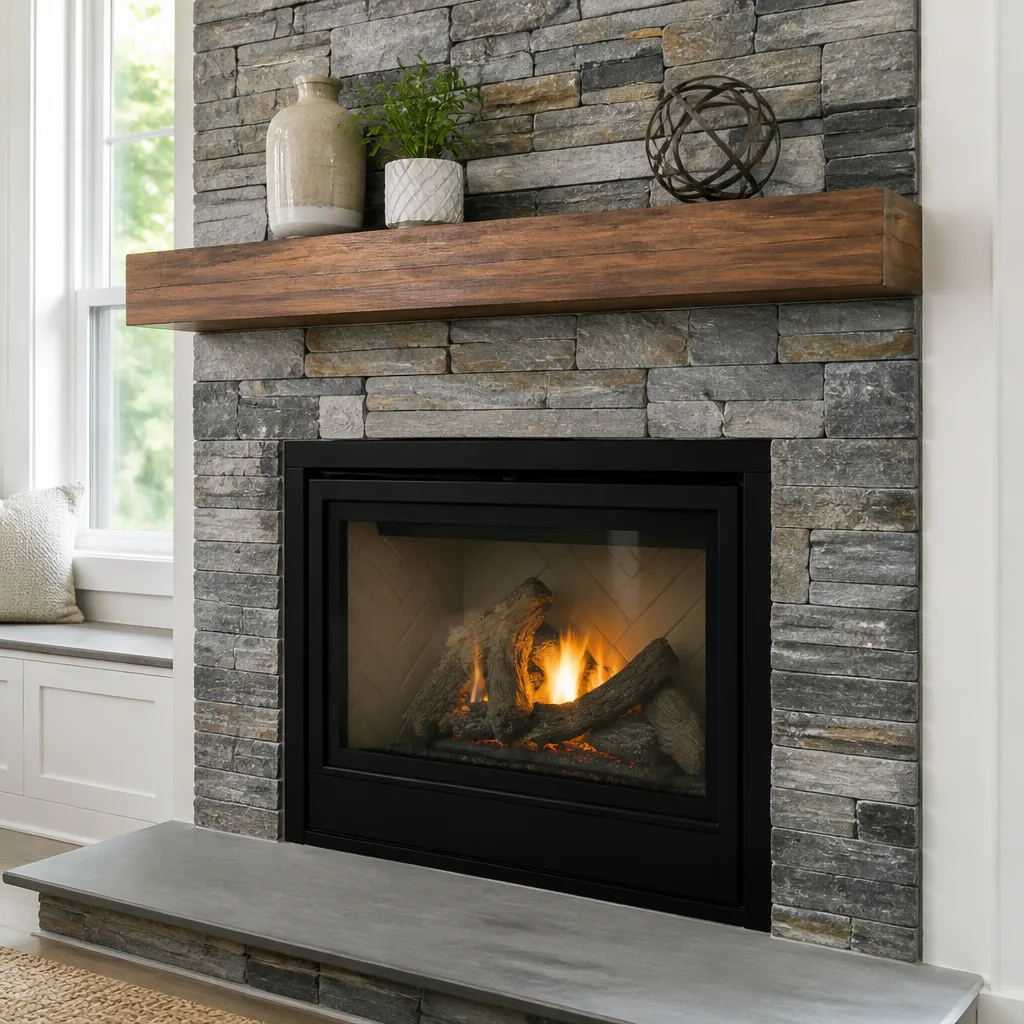 Gas fireplace service
Level 1 sweep and inspection to the NFPA 211 annual standard - flue, crown, cap, and flashing checked and photographed
Chimney sweep logs do not sweep chimneys. They loosen some creosote - which then falls where a brush and vacuum still have to collect it.
Chimney Cleaning Warning Signs: A Modesto Homeowner’s Reference Guide
Most homeowners think they’ll spot a chimney problem by looking up the flue and seeing a thick crust of creosote. By the time that crust is visible on the damper plate, stage 2 creosote has already been building for a full season or more. The warnings that actually come first are the ones you notice with your nose and your ears: a smell that wasn’t there last year, a fire that back-puffs on cold mornings, smoke that curls out at the damper instead of going up. This guide walks through those non-visual signals in plain terms so a Modesto homeowner can tell the difference between a normal burning fireplace and one that needs attention before the next burn season.
Quick Answer
The most reliable early warning signs of a chimney problem are changes in draft and smell, not visible soot. A sharp acrid odor, smoke spilling into the room with the damper open, back-puffing on startup, or a fire that struggles to establish draw all point to creosote buildup, a blockage, or liner damage that needs inspection before you light another fire.
Styles & brands we work with
- Sweep & inspection
- Caps & crowns
- Flue relining
- Masonry repair
- Gas fireplace service
Table of Contents
- Why the Real Warning Signs Are Non-Visual
- The Five Odor Profiles That Signal Specific Problems
- Draft Behavior Changes That Point to Blockage or Liner Damage
- What White Efflorescence Tells You About Interior Moisture
- Sounds That Matter: Popping, Crackling, and What They Mean
- Chimney Problem or Insert Problem? How to Tell the Difference
- A Modesto Seasonal Calendar for Chimney Care
- A Step-by-Step Walk-Through of What to Check Yourself
Why the Real Warning Signs Are Non-Visual
Creosote doesn’t announce itself. It builds in stages, and the stage that’s genuinely dangerous is the one you can’t see from the firebox floor. Stage 1 creosote is a light, flaky soot that brushes off easily. Stage 2 is a thicker, tarry deposit that clings to the flue walls. Stage 3 is a glazed, hardened crust that a standard sweep brush won’t remove at all. By the time a homeowner sees dark accumulation on the damper plate in a Modesto fireplace, stage 2 is usually well established. The warning signs that matter arrive before that.
What you can actually notice is happening inside a working chimney falls into three categories:
- Smell: The odor that comes off the firebox when the chimney isn’t in use, or the smell that drifts through the house on a warm day after a cold-season burn.
- Draft behavior: How easily the fire starts, whether smoke goes up or curls back, and whether the house smells like smoke after a fire has died.
- Sound: The acoustics of a fire are a diagnostic tool, and they change when a liner has a problem.
These signals show up weeks before a chimney fire or carbon monoxide event. Creosote that has reached stage 3 is highly combustible and can ignite from a single hot ember, and a blocked or damaged liner can route combustion gases back into the living space instead of up and out. The whole point of watching for early signs is to catch a problem while it’s still a service call and not an emergency.
Modesto’s burn season runs roughly November through February, and the first cold snap is when most homeowners discover a draft problem. Our recommendation is to schedule a chimney sweep before the season opens, when the chimney is empty and a technician can get a clean look at the flue.
The Five Odor Profiles That Signal Specific Problems
A chimney smell isn’t just “smells like a fireplace.” Each odor profile points to a different set of causes, and a trained technician can often narrow down the problem in the first few minutes of an inspection just by asking what the homeowner has been smelling. Here are the five profiles we ask about, what each usually means, and what typically gets done about it.
1. Acrid or asphalt-like smell
This is the signature of stage 2 creosote. The tarry deposit that builds up when wood burns cool and slow releases a sharp, almost tar-like odor, especially on warm days when the chimney isn’t drafting hot. If you smell this in a closed-up house in April, the creosote is thick enough to need a professional sweep before the next season. A stage 2 flue doesn’t necessarily need repair, but it definitely needs cleaning.
2. Musty or damp-earth smell
A musty odor that lingers a day or two after rain points to moisture getting in, usually at the crown, the flashing, or through an uncapped flue. Moisture on the smoke shelf can support mold growth and corrode a masonry flue over time. A proper cap installed over the flue is often the fix; we use Famco and Gelco caps, which are built to keep water out without trapping smoke.
3. Animal or nesting smell
A sharp, unpleasant animal odor, especially at the start of the season, means birds, squirrels, or raccoons have been using the flue. Nesting debris is a genuine combustion hazard because it narrows the flue and gives embers something to catch. An uncapped chimney is the usual entry point. Call a technician before lighting a fire.
4. Smoke smell that lingers in the house
If the house still smells like smoke hours or days after a fire, the chimney isn’t venting properly. Causes range from a partial blockage to an under-sized flue to negative pressure in a tightly sealed house. This is the odor profile most likely to be a draft problem rather than a cleaning problem.
5. No smell at all where there used to be one
Sometimes the warning sign is the absence of a smell. A chimney that used to have a mild smoky smell after every fire and now doesn’t is fine. A chimney that used to smell clean and now smells like nothing at all after a fire is also fine. But a chimney that used to smell nothing after a fire and now smells acrid is the problem case. Our point is this: pay attention to change, not to a fixed baseline.
Draft Behavior Changes That Point to Blockage or Liner Damage
Draft is the vacuum that pulls smoke up and out of the flue. When draft is healthy, a fire lights fast, burns hot, and you don’t smell it in the room. When draft starts to fail, the signs are predictable, and they usually show up on cold mornings before anything else.
Here are the draft changes worth acting on:
- Back-puffing on startup: Smoke and flame roll out of the firebox when you first light the fire, then settle down once the fire warms the flue. Occasional back-puffing on a cold morning is normal in a cold chimney. Back-puffing every time is not.
- Smoke spilling at the damper with the flue open: If the damper is fully open and smoke is still curling into the room, the flue is blocked, undersized, or has a liner problem.
- Difficulty establishing draw: The fire smolders instead of burning clean, the wood blackens before it lights, and the kindling needs pre-warming to catch. In our experience, this is often a partial obstruction at the flue cap or a nest, and sometimes a cracked liner that lets in cold air.
- Drafting better with a window cracked: A house that drafts noticeably better when a window is open is a house with negative pressure, not a chimney problem. Make-up air is the fix, not a sweep.
- Soot marks at the top of the firebox opening: These suggest smoke has been puffing out of the firebox opening for a while, which is a draft symptom, not just a cosmetic issue.
Draft changes that repeat over two or three fires in a row need an inspection. If draft has gotten worse over a season, a blocked flue or a damaged liner is the likeliest answer, and either one is a reason to skip the next burn until you know what you’re dealing with. Our team can run the inspection and set up any needed chimney repair in the same visit when that’s possible, which saves you from coordinating a separate repair call.
What White Efflorescence Tells You About Interior Moisture
White, powdery staining on the outside of a masonry chimney is called efflorescence, and it’s a legitimate early warning sign, not a cosmetic problem. Efflorescence appears when water is traveling through the masonry and evaporating at the surface, leaving mineral salts behind. On a chimney, that water almost always started somewhere it shouldn’t be: at the crown, at the flashing where the chimney meets the roof, or through an uncapped flue.
Modesto chimneys tend to show efflorescence after the first winter rains, usually December through February, because that’s when the masonry gets soaked for the first time in months. If the crown is sound and the cap is intact, the masonry dries out and the efflorescence is mild and seasonal. If it reappears every winter in the same spot, or spreads year over year, the moisture is getting in from inside the flue or the chimney structure itself.
The reason efflorescence matters is that interior moisture is where the real damage happens. A flue that’s been wet for a season or two can spall and crack, and a cracked flue is a carbon monoxide pathway. When we find spalling or a compromised flue liner, we can address it in one of two ways: relining with a DuraFlex flexible liner system, which is a professional-grade approach most sweep-only companies can’t offer, or resurfacing the existing flue with HeatShield, a factory-engineered repair product that restores the flue wall without a full rebuild. Which one fits depends on the extent of the damage. Neither is something to guess at, and neither gets recommended without camera evidence you can see for yourself.
Sounds That Matter: Popping, Crackling, and What They Mean
A crackling fire is a normal fire. What matters is the specific character of the sound, and whether the sound is different from the way that same fireplace sounded last season.
Here’s what to listen for:
- Sharp popping or a metallic ticking during burn: A working chimney will produce some ticking as metal components expand and contract, but sharp popping that builds over a burn, or popping that comes from the upper part of the flue rather than the firebox, can indicate a liner fracture opening under heat. This is a stop-burning signal, not a “next time we sweep” signal.
- Crackling from a masonry flue that used to be quiet: New crackling in a masonry chimney can also mean spalling tile or a failing joint, and it’s worth a camera inspection to look.
- Whistling or roaring that scales with the fire: Some high-pitched draw is normal, but a whistle that gets louder as the fire grows can mean a partial obstruction, and a new whistle is a “get it inspected” sign.
- A dull thud or falling sound: Debris falling down the flue, usually nesting material, spalling masonry, or a broken tile. Do not burn after hearing this until the flue has been looked at.
- Silence where there used to be draw noise: If the fire used to sound like it was pulling air and is suddenly quiet, the flue is obstructed. Silence is a warning sign.
None of these are “settling” sounds. A chimney that’s properly built doesn’t develop new noises over time except for a light tick as the metal cap warms. If your Modesto chimney has been making new sounds, that’s a reason to call before the next fire.
Chimney Problem or Insert Problem? How to Tell the Difference
A dramatic number of “chimney” complaints we diagnose turn out to be an insert, a freestanding stove, or a connector pipe problem rather than a chimney problem. The warning signs overlap, and that means the diagnosis and repair are completely different.
Here’s a simple way to tell the two apart:
- Where does the smell originate? If the smell is strongest right at the firebox opening, it’s likely the chimney. If the smell is strongest at the front of an insert or the top of a stove’s glass door, the problem is usually the insert’s gasket, its own flue collar, or the connector pipe between the appliance and the chimney.
- Where does the smoke spill? Smoke spilling at the firebox of a traditional fireplace points to the chimney. Smoke spilling around the door of an insert points to an appliance issue, and no amount of chimney sweeping will fix it.
- Is the fire easy to control? A wood stove or insert with a failing door gasket will burn hot and fast no matter how you set the air control. That’s an appliance problem, and it can be dangerous in its own right.
- Does the appliance have the correct connector? Appliances installed by a previous owner sometimes have a shorter or smaller connector than the chimney needs. The chimney may be fine and the connector may still be the bottleneck.
- When was the appliance last cleaned? An insert needs its own cleaning at the connector, plus a chimney sweep. If the insert has never been cleaned out, the problem is usually there.
We service both. When we find an appliance issue we’ll tell you what it is and whether a specialist is needed at the appliance. When we find a chimney issue, we can address it with a professional repair. Getting the diagnosis right the first time is the whole point of a proper inspection, which is why we inspect before we sweep. Cleaning a damaged flue without fixing it first is a safety risk, not a service.
A Modesto Seasonal Calendar for Chimney Care
Modesto’s climate is forgiving in a lot of ways for a chimney: no freeze-thaw cycling through the masonry, no snow load on the crown, no salt spray on the flue. What it does have is a long dry stretch followed by a wet winter, and a burn season that stacks up creosote relatively quickly because most wood burning happens on cooler evenings rather than in a continuous deep winter.
Here’s how the chimney year actually breaks down in Modesto:
- March through May (post-season): The best time to schedule a sweep is right after burn season. The chimney is empty, the creosote is still soft, and any repairs needed can be done well before the next season opens. Efflorescence from the winter rains is easiest to diagnose now.
- June through September (off-season): Chimney repair work, relining, and cap installation are all simpler when the chimney isn’t in use. If a repair has been deferred, this is when it makes the most sense to schedule.
- October (pre-season): The inspection window. A sweep plus a camera inspection surfaces any draft or liner issues before the first fire, which is when a fix is still simple.
- November through February (burn season): Watch for the smell, draft, and sound changes this guide covers. Any of them that repeat over three or four fires gets an inspection.
You’ll notice there’s no “skip a year” slot on that calendar. A wood-burning chimney needs an annual sweep and inspection, and the interval doesn’t negotiate. Skipping a season is how stage 1 creosote becomes stage 2, and how a small flashing leak becomes an interior moisture problem. The one detail we’d add is that a gas appliance vented through the chimney has a different service schedule; call us and we’ll walk you through it.
A Step-by-Step Walk-Through of What to Check Yourself
These checks are for information only. They help you decide whether to call. They are not a replacement for a proper inspection by a trained technician with a camera.
- Look at the exterior of the chimney once a season. White staining, spalling masonry, or missing mortar joints are all worth a call. Do this from the ground with binoculars, not by climbing on the roof.
- Open the damper and shine a flashlight up the flue. You’re not looking for creosote (you can’t see it well from below). You’re looking for light at the top. No light means a blockage, and that’s a call.
- Smell the firebox on a warm day before lighting a fire. Acrid, musty, or animal smell all mean the same thing: get it inspected before the first fire.
- Do a small test burn. Light a single piece of kindling and watch the smoke. If smoke goes up, draft is at least partially working. If smoke curls into the room with the damper open, stop and call.
- Note the sound of a normal fire. Any new popping, whistling, or falling sounds are worth a call before the next fire.
- Check that the chimney has a cap. An open flue is an invitation to water, birds, and squirrels. A Famco or Gelco cap solves several problems at once. If your chimney doesn’t have one, that’s a straightforward fix.
- Book a camera inspection before the season opens. The only way to actually verify the inside of a flue is with a camera. Our inspections include a camera scan and a photo report you can look at yourself.
If any of those checks turns up something you’re not sure about, stop there and call. The signs you’re looking for are small on purpose. Catching them while they’re still small is what keeps a chimney repair from becoming a rebuild. For more on the full scope of what we do in Modesto, or to schedule an inspection, Modesto Chimney Sweep handles inspection, cleaning, and repair with the same crew.
Common Mistakes to Avoid
- Waiting for visible creosote before calling. Visible creosote on the damper plate means stage 2 buildup is already there. The earlier signals are smell and draft, and they show up a full season before the visible crust.
- Burning a “cleaner” fire to burn off the creosote. A hot fire can ignite creosote instead of burning it off, and stage 3 creosote won’t burn off under any normal fire. If you suspect buildup, stop burning and have it swept.
- Assuming efflorescence is just cosmetic. White staining on the exterior masonry is moisture getting through the structure. It often comes back every winter until the source is found, and the source is usually the crown, the flashing, or an uncapped flue.
- Confusing a draft problem with a chimney problem. A house with negative pressure can cause smoke spill from a perfectly clean chimney, and no amount of sweeping fixes it. Get the diagnosis right before authorizing repair work.
- Lighting a fire after hearing debris fall. Falling sound in the flue means something has come loose, and burning on top of it can ignite nesting material or jam an ember against damaged masonry. Skip the fire and call.
- Ignoring a new sound during burn. Chimneys don’t develop new noises as they settle. New popping, ticking, or falling sounds are a signal to stop and inspect.
- Hiring a sweep-only service for a repair. A sweep that finds a damaged liner and hands you off to a separate repair contractor is a problem, not a solution. Ask whether the same crew does the inspection, the cleaning, and any needed repair with professional-grade materials.
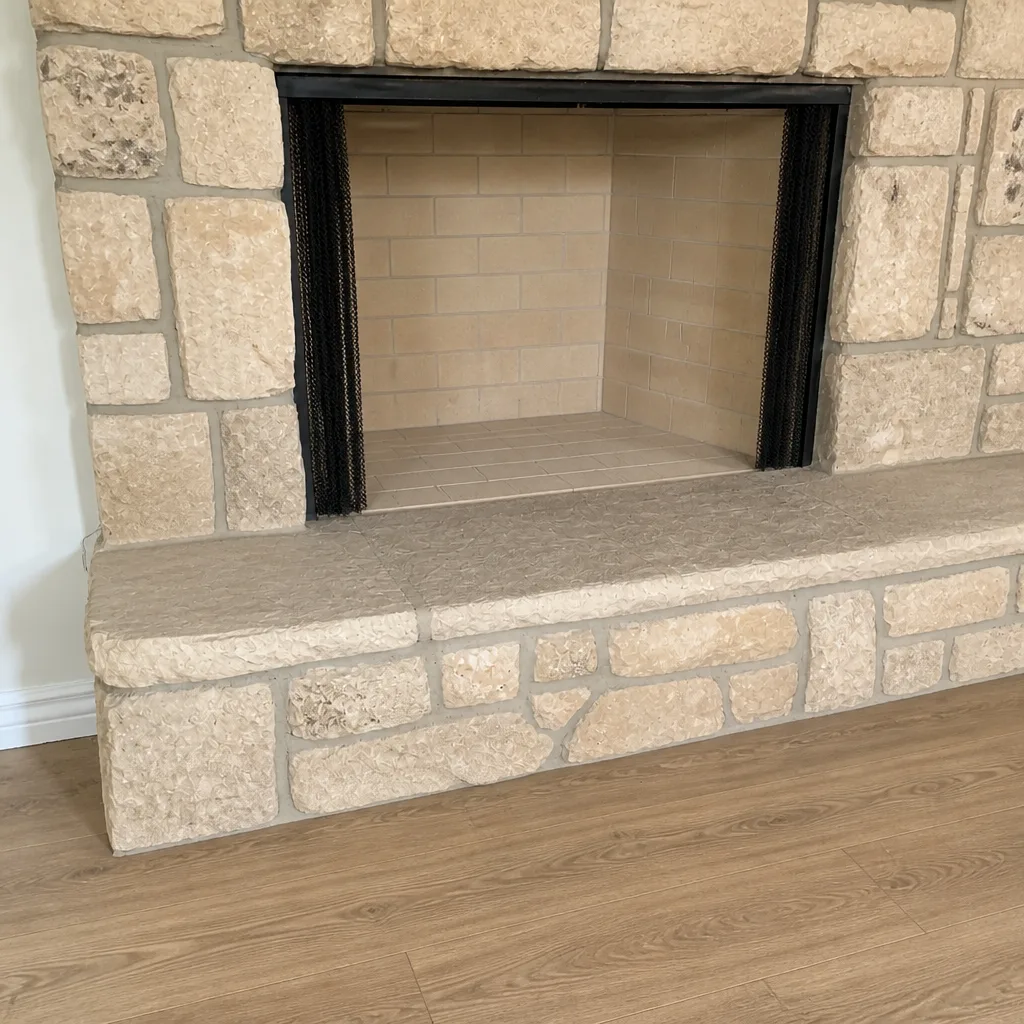
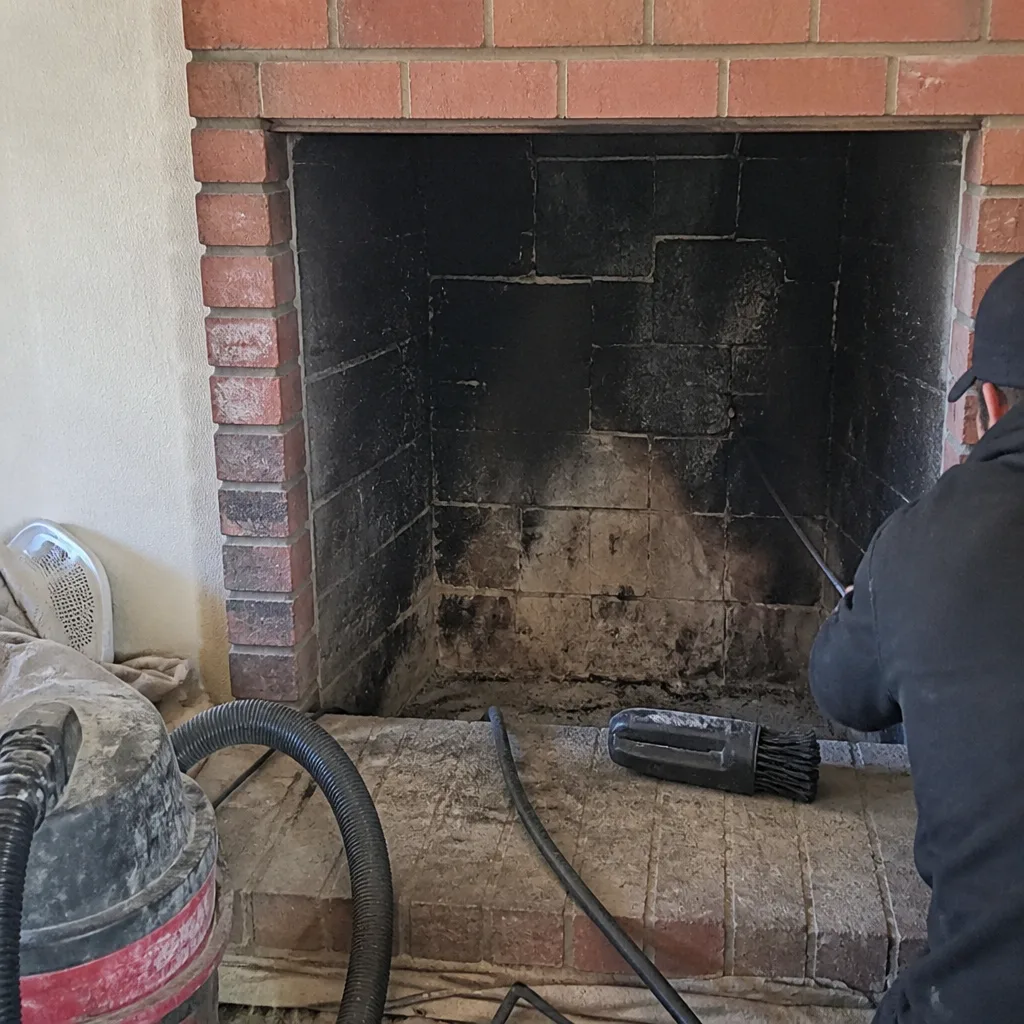
See the difference
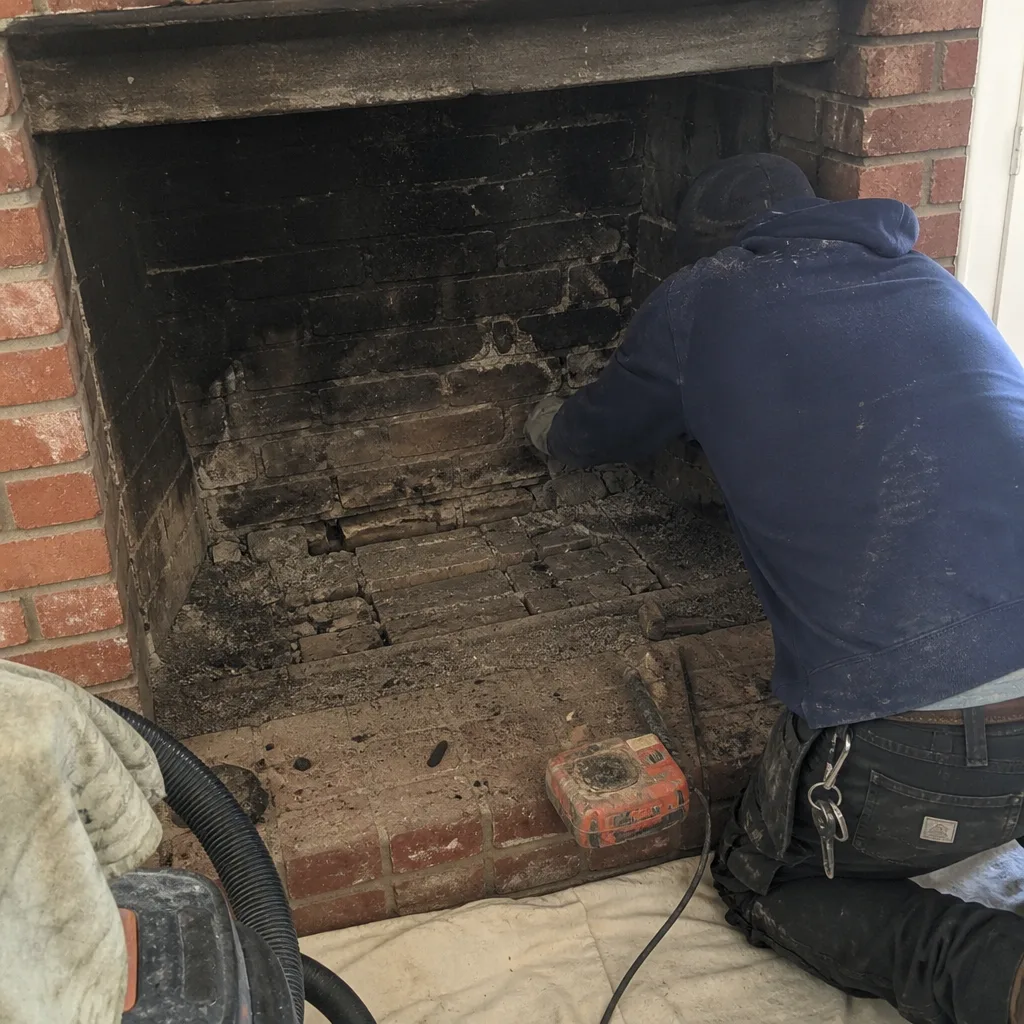 Before
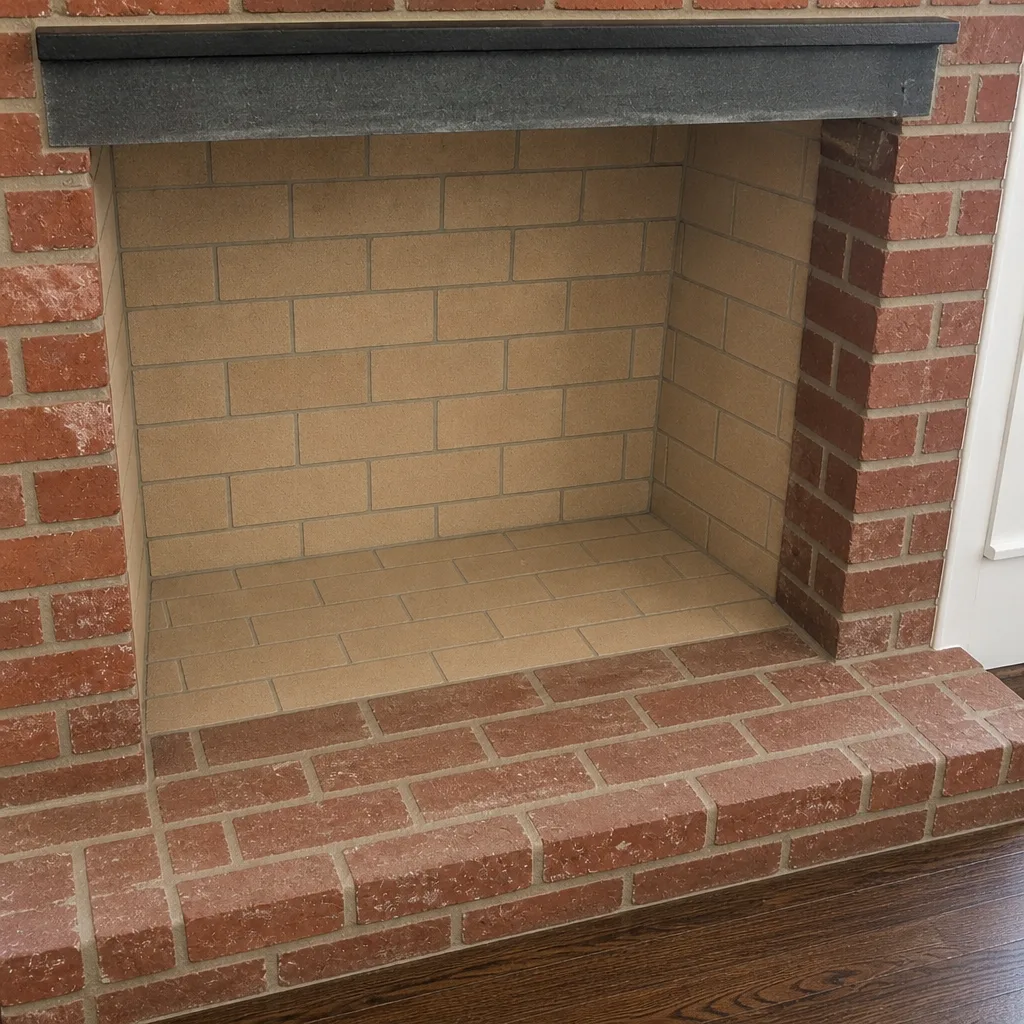 After
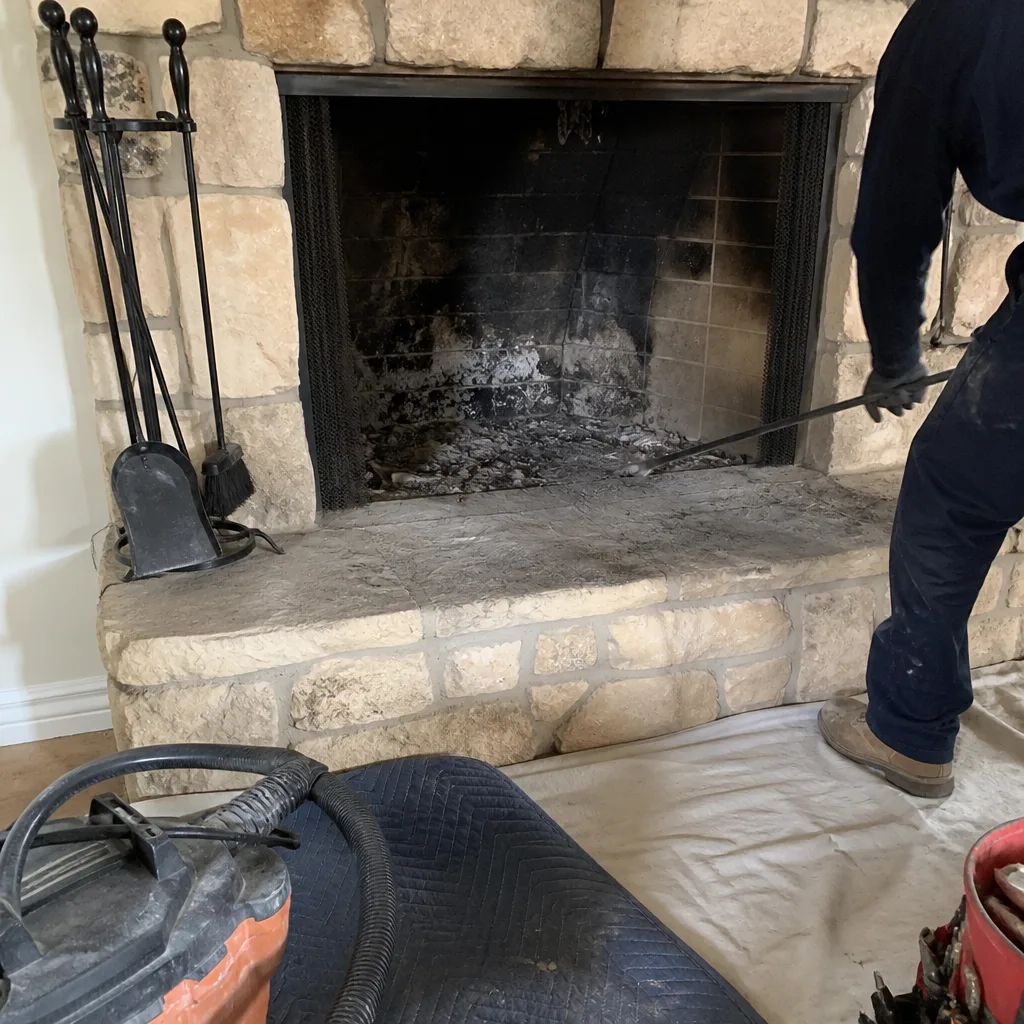 Before
 After
 Before
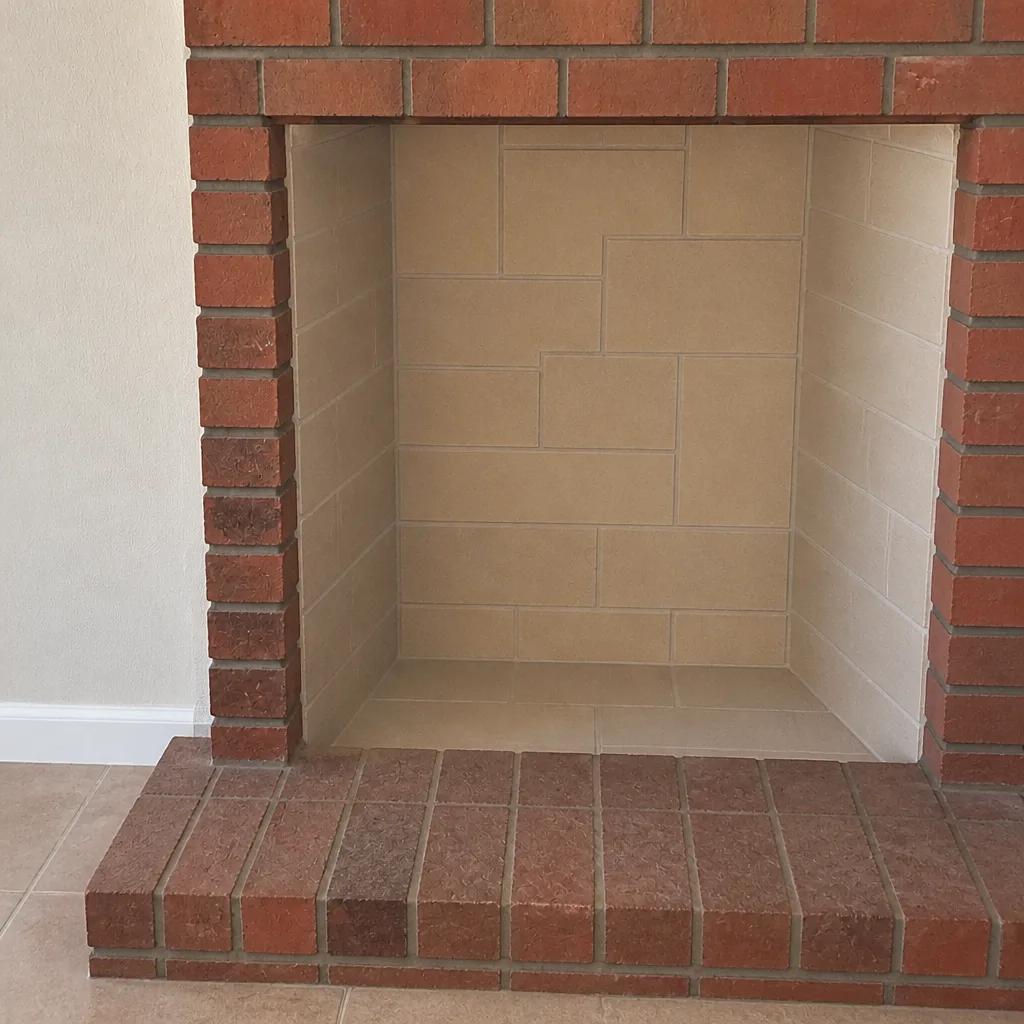 After
When to Call a Professional
Call a technician if any of these apply to your chimney: a repeated acrid, musty, or animal smell, smoke spilling into the room with the damper open, back-puffing on more than one cold startup, a fire that struggles to draw, new popping or falling sounds during burn, white efflorescence that returns every winter, more than one season since the last sweep, an uncapped flue, or a newly installed appliance you haven’t had inspected. Also call if you simply aren’t sure: the cost of an inspection is a small fraction of what a chimney fire or liner replacement costs. Modesto Chimney Sweep offers free estimates in Modesto, and our technicians have up to 9 years of experience. Call (855) 360-6515. We answer 24/7. Fast dispatch from 7am to 7pm, Sunday through Friday.
Frequently Asked Questions
The earliest reliable signs are a new smell (acrid, musty, or animal), smoke backing into the room with the damper open, a fire that’s harder to light than it used to be, and new popping or falling sounds during burn. These show up weeks before visible creosote. Call (855) 360-6515 for an exact quote on an inspection; estimates are free.
Yes, but the specific smell matters. An acrid or asphalt-like odor usually means stage 2 creosote buildup and points to a sweep. A musty smell means moisture. An animal smell means nesting debris. Call (855) 360-6515 and describe what you’re smelling; we’ll tell you what the likely cause is and what service fits.
A wood-burning chimney in Modesto should be swept once a year, ideally right after burn season. A properly sized flue with clean-burning wood can sometimes be inspected annually and swept on alternate years, but that’s a determination made after an inspection. Call (855) 360-6515 to book a sweep before the season opens; estimates are free.
White, powdery staining on masonry is efflorescence, and it means water is moving through the structure and evaporating at the surface. In Modesto, it often appears after the first winter rains. The water source is usually the crown, the flashing, or an uncapped flue, and finding that source is part of a proper inspection. Call (855) 360-6515 to schedule one; estimates are free.
Some light ticking as metal components warm up is normal. Sharp popping, popping that comes from higher up the flue, or popping that’s new this season is not normal and can indicate a liner fracture opening under heat. Stop burning and have it inspected. Call (855) 360-6515 to book a camera inspection; estimates are free.
Not every damaged flue needs a full reline. Some are safely restored with a HeatShield flue resurfacing, which repairs the existing flue liner without tearing out the chimney. The right answer depends on what the camera shows. We won’t recommend either without camera evidence you can see yourself, and we’ll say plainly when a repair can safely wait. Call (855) 360-6515 for an exact quote.
Creosote accumulates faster than most homeowners expect. Stage 1 becomes stage 2 within a season, and stage 2 creosote is highly combustible. A blocked or damaged flue also routes carbon monoxide back into the home instead of up and out. The safety risk is the reason, not just the mess. Call (855) 360-6515 to book a sweep; estimates are free.
The Bottom Line
The warning signs that actually precede chimney fires and carbon monoxide events in a Modesto home are mostly the ones you notice with your nose and your ears. Acrid, musty, or animal smells, smoke that spills at the damper, a fire that back-puffs, new popping sounds during burn, and white efflorescence on the exterior masonry all point to specific problems that get simpler and cheaper to fix the earlier they’re caught. Visible creosote is a late-stage sign, not an early one. Watch for change over time. Get a camera inspection before the season opens. Call (855) 360-6515 when something doesn’t feel right. We answer 24/7. Fast dispatch from 7am to 7pm, Sunday through Friday. Our technicians have up to 9 years of experience, and we handle inspection, cleaning, and repair as one crew with professional-grade materials from Copperfield, Olympia Chimney, Gelco, and Famco.
Written by the team at Modesto Chimney Sweep.