
Last updated November 16, 2026
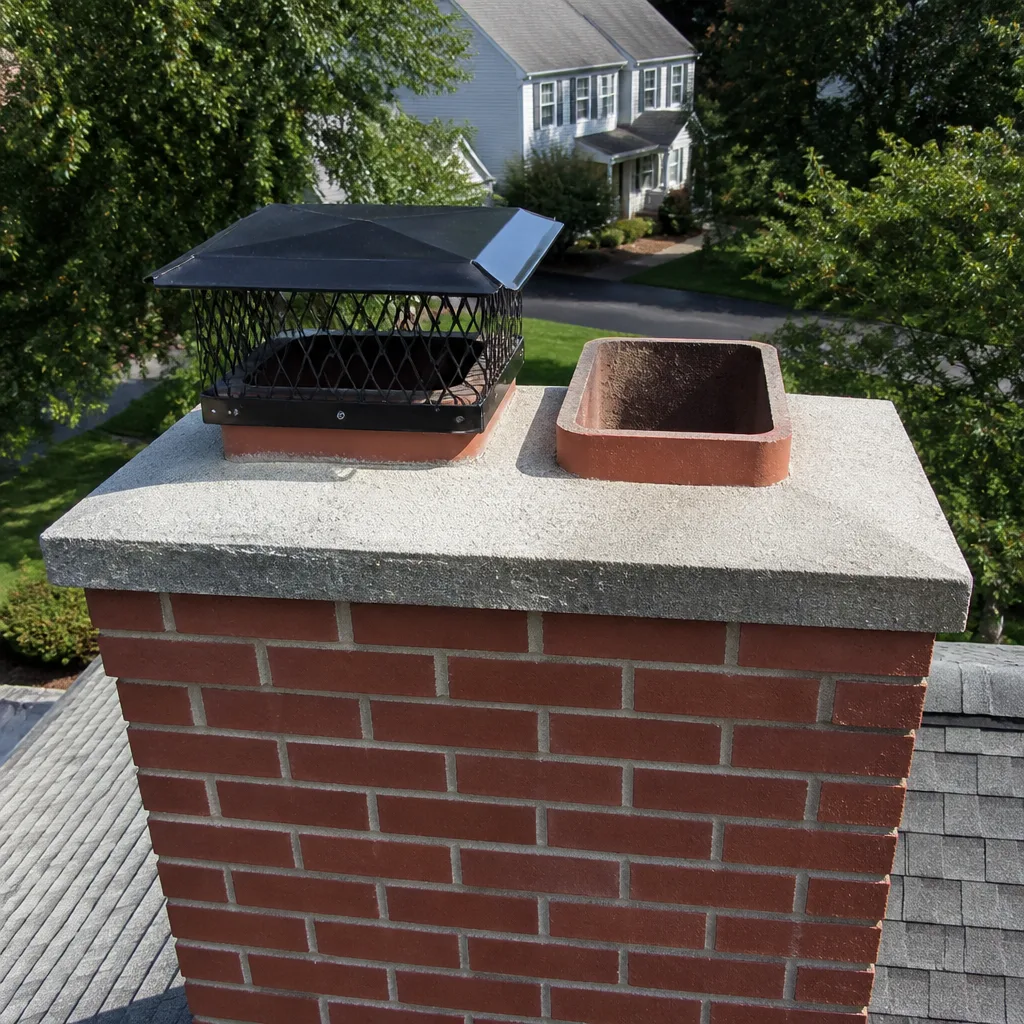 Sweep & inspection
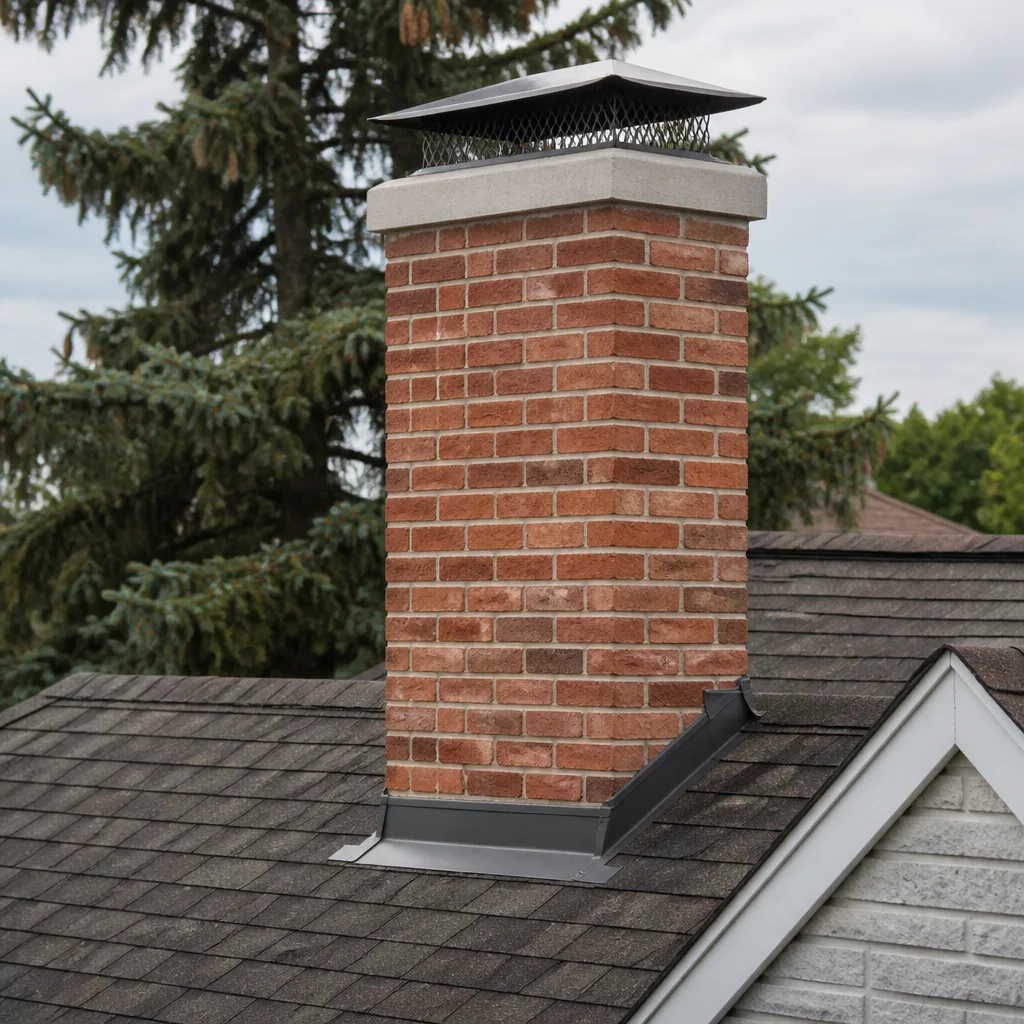 Caps & crowns
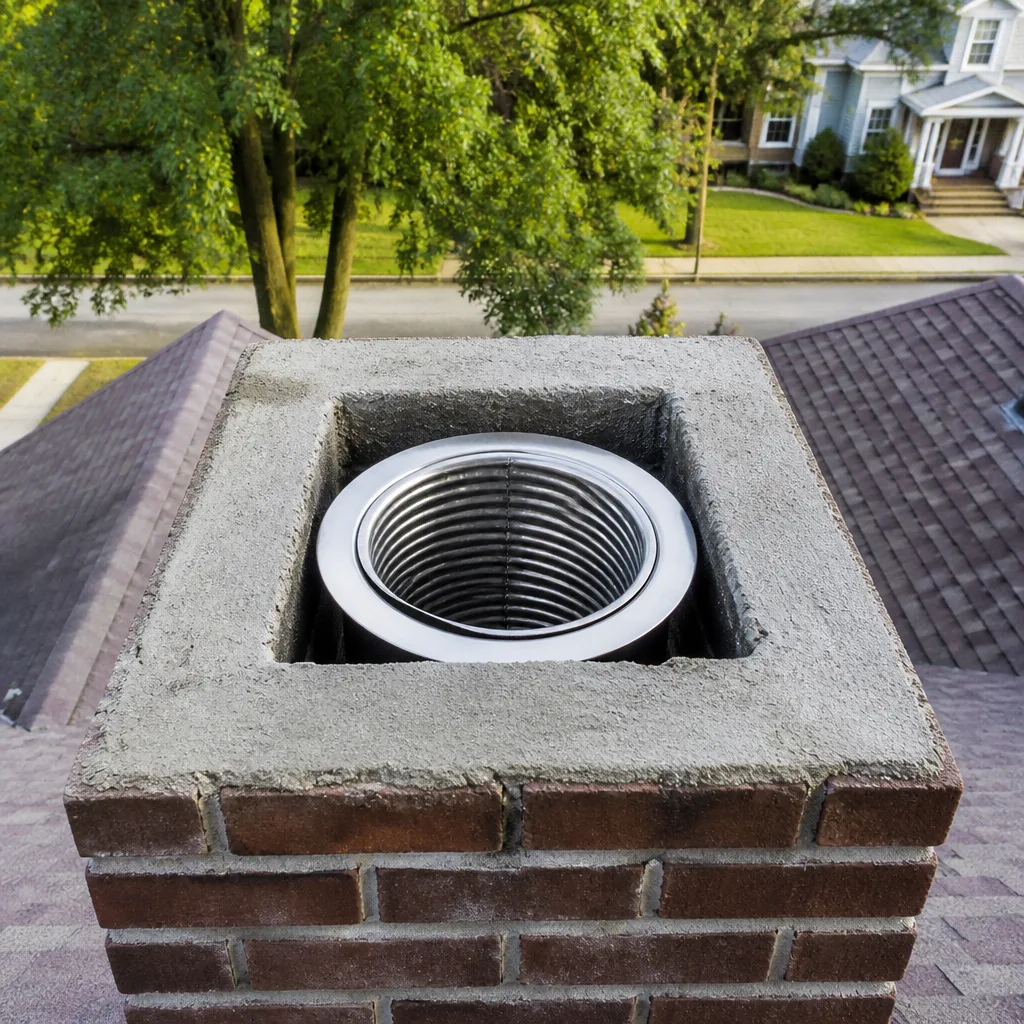 Flue relining
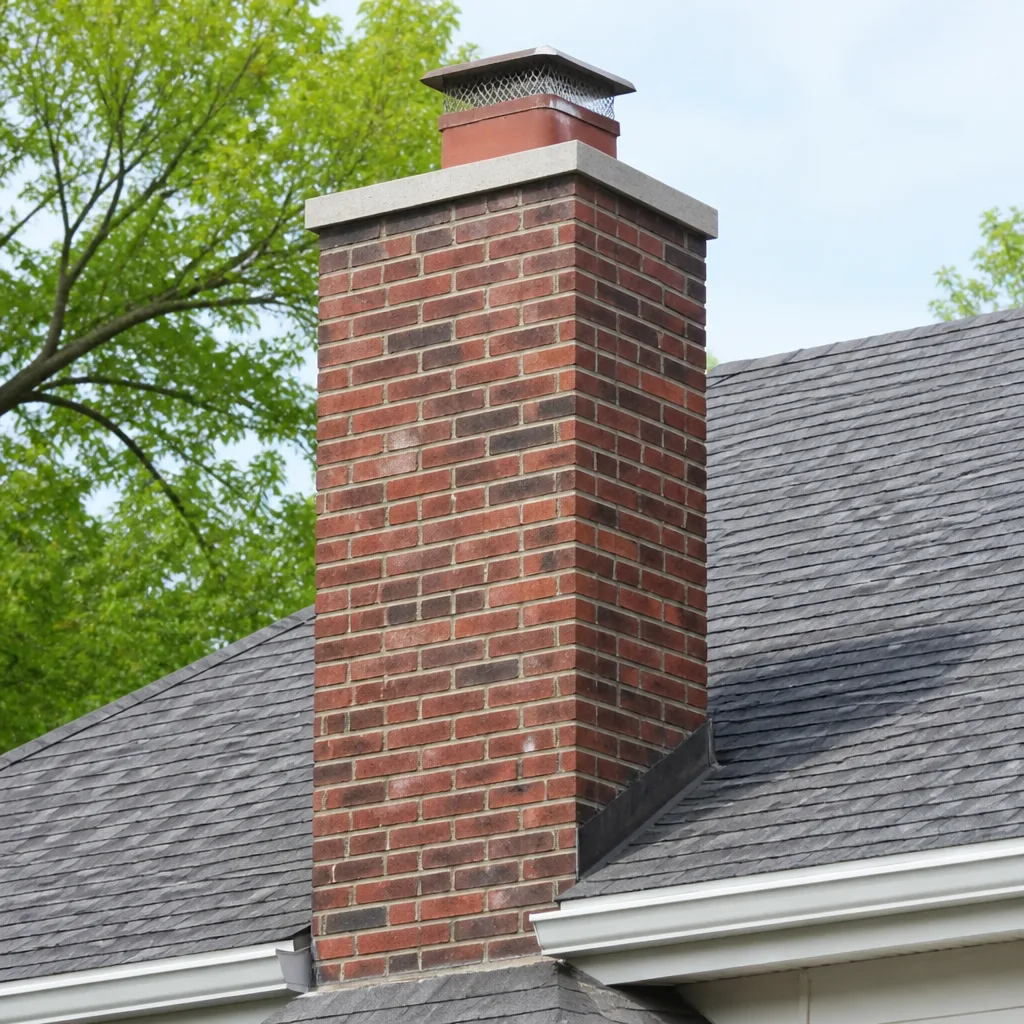 Masonry repair
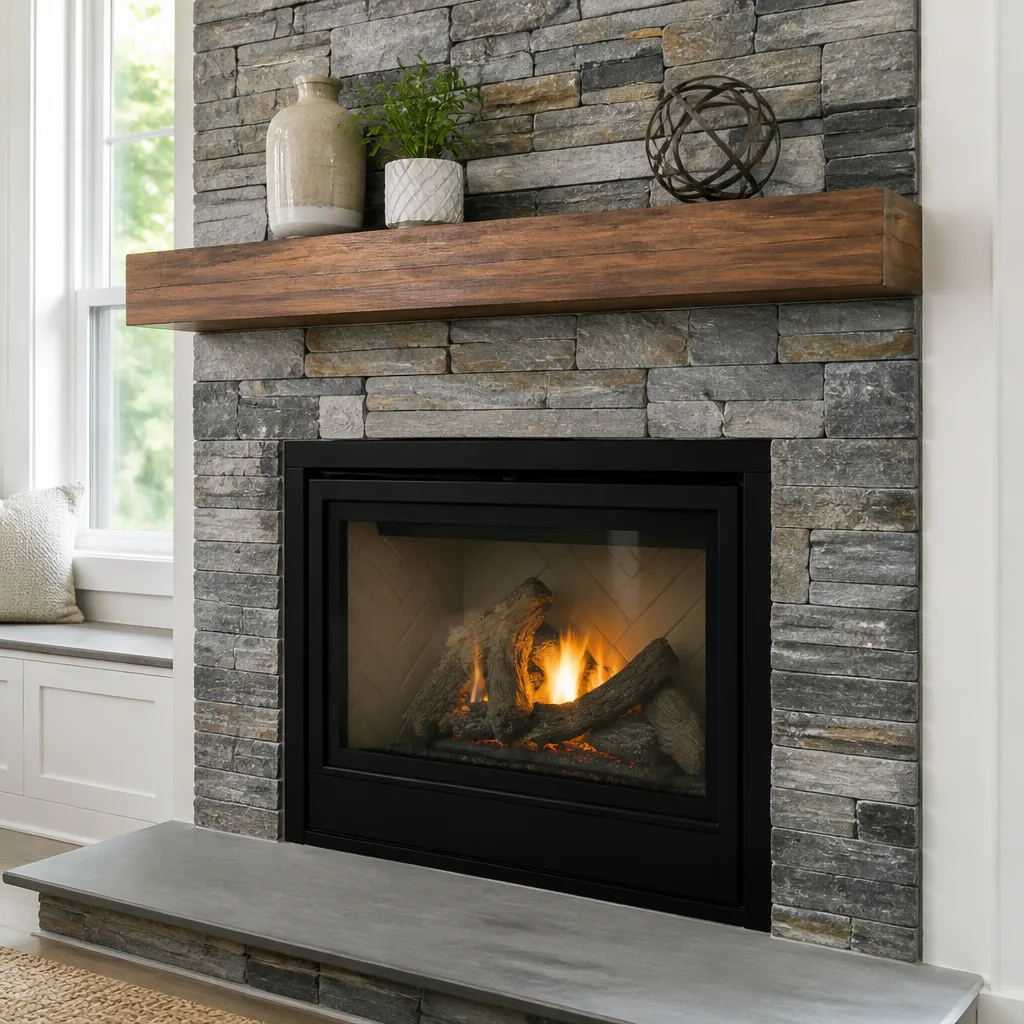 Gas fireplace service
Level 1 sweep and inspection to the NFPA 211 annual standard - flue, crown, cap, and flashing checked and photographed
Chimney sweep logs do not sweep chimneys. They loosen some creosote - which then falls where a brush and vacuum still have to collect it.
Chimney Cleaning Emergency Preparedness Guide for Modesto Homes
A chimney fire doesn’t always sound like a fire. Many homeowners in Modesto have had one, a brief, intense burn inside the flue, and never knew it happened. The evidence shows up later: a hairline crack in the liner, a section of glazed creosote baked hard as glass, a mortar joint that gave way. That missed event is what makes the next fire structurally dangerous. This guide covers how to recognize a chimney fire while it’s happening, what to do in the first minutes, what must happen before the fireplace is used again, and how carbon monoxide and blocked flues fit into the same picture.
Quick Answer
A chimney emergency is most likely a chimney fire, a carbon monoxide event from a blocked or cracked flue, or a sudden obstruction. If you suspect a fire in progress, call 911, get everyone outside, and don’t throw water into a hot firebox. After any suspected chimney fire, the fireplace stays out of use until a Level 2 camera inspection confirms the flue is intact. Most of these events are preventable with a clean flue, a proper cap, and a first burn of the season that isn’t a surprise.
Styles & brands we work with
- Sweep & inspection
- Caps & crowns
- Flue relining
- Masonry repair
- Gas fireplace service
Table of Contents
- How to Recognize a Chimney Fire While It’s Happening
- The Correct Immediate Response Sequence
- After a Chimney Fire: Why the Fireplace Stays Off
- What a Level 2 Camera Inspection Looks For
- Carbon Monoxide Risk in Modesto Chimney Systems
- The December to January Fog Season: Highest-Risk Use Pattern
- Blocked Flues After Summer Dormancy
- What to Document for Your Insurance Carrier
How to Recognize a Chimney Fire While It’s Happening
A chimney fire is not always a dramatic column of flame out the top. Slow-burning chimney fires can smolder for hours with almost no visible sign beyond unusual heat. Fast-burning fires announce themselves. The tricky part is that the quiet ones leave the worst damage, because heat keeps building inside the flue while nobody notices.
The signals worth knowing fall into three groups: what you hear, what you see, and what you feel.
- Sounds: a low roar like a distant train, loud popping or cracking, or a rumble that starts shortly after you add wood.
- Sights: dense smoke or sparks shooting from the chimney top, an unusually bright or glowing appearance at the top of the flue, creosote flakes or pieces of liner on the roof or in the yard.
- Physical signs: the stovepipe or chimney breast becomes hot to the touch, the damper or stove glows, or a strong burning smell fills the room even when the firebox looks normal.
By the time you see flames at the top, the fire is established. The small, hot burn that never reaches the roof is the one that most often gets missed in Modesto homes, and it’s the one that sets up the danger for later. Fireplaces in older downtown Modesto houses and in the mid-century neighborhoods east of the viaduct are especially vulnerable, because original masonry flues weren’t built for the way we burn today.
The Correct Immediate Response Sequence
In the first minutes, the right order of actions matters more than anything else you do. Here’s the sequence we walk homeowners through:
- Get everyone out of the house. This includes pets. Don’t stop to gather belongings.
- Call 911. Even if you think it’s small. Fire crews can confirm from the ground whether heat is still rising from the flue, and they can check the attic and roofline for extension.
- Close the glass doors or firebox doors if you can do it safely. Cutting off the air supply to the fire inside the firebox starves the chimney fire of fuel.
- Close the damper if the fire is still small and contained. Only do this if smoke hasn’t filled the room. If smoke is pouring into the living space, leave the damper alone and get out.
- Do not throw water into the firebox. A sudden blast of cold water on a flue that’s hundreds of degrees hot can crack masonry and send scalding steam and soot back into the room. Water is a firefighter’s tool, not a homeowner’s.
- Wait for the fire department. Don’t go back inside, and don’t climb onto the roof to look down the chimney. Both have caused serious injuries.
The urge to “just put it out” is strong, and it’s almost always wrong. The best thing you can do after calling 911 is to stand clear and wait.
After a Chimney Fire: Why the Fireplace Stays Off
Once the fire department has cleared the scene, the house is safe to enter, and the adrenaline has worn off, the natural instinct is to light another fire the following evening because the chimney “looks fine from outside.” Resist it. A flue that survived a chimney fire can look intact from the ground and be compromised inside the wall.
Do not use the fireplace, wood stove, or any appliance vented through that chimney until a Level 2 camera inspection has been completed. That means no fires, no gas logs, no furnace flue sharing the same chimney chase. The reason is straightforward: the heat of a chimney fire can crack clay tile liners, warp metal liners, and break the bond between mortar joints inside the flue. A cracked liner lets the next fire’s heat and gases into the framing of the house, and it lets carbon monoxide into the living space.
In our experience, a lot of the post-fire calls we handle in Modesto turn out to be fires the homeowner never saw. The reported “small fire” often shows a glazed, heavily damaged flue section, a broken tile joint, and a chimney cap full of debris. That’s why we sweep only after we’ve inspected. Cleaning a damaged flue without fixing it first is a safety risk, not a service.
What a Level 2 Camera Inspection Looks For
A Level 2 inspection is a camera-based exam of the entire flue, from the firebox to the chimney top. It’s the standard inspection after a chimney fire, after a change of fuel type, after a property sale, or whenever a problem is suspected but not confirmed. Here’s what a trained technician is specifically looking for in the camera footage:
- Liner fractures: hairline cracks, missing chunks, or gaps between clay tiles that let heat and gases escape the flue.
- Compromised mortar joints: the mortar between tiles is the weak point in a masonry flue. Soft, missing, or crumbling joints mean the liner is no longer continuous.
- Glazed creosote: puffy, shiny, hardened deposits that indicate past over-firing or a prior chimney fire, and that must be removed before the chimney can be used safely.
- Offset and transition zones: the angled sections and connector joints where damage most often concentrates.
- Chimney cap and crown: cracks in the crown, gaps at the cap, rusted mesh, and animal or debris entry points.
The inspection ends with a written report and photos you can see for yourself. That’s the heart of how we work: nothing is recommended without camera evidence, and if the flue can safely wait, we say so. Where liner damage is found, a chimney repair using a DuraFlex liner system or HeatShield flue resurfacing restores the flue without tearing out the chimney.
Carbon Monoxide Risk in Modesto Chimney Systems
Carbon monoxide doesn’t announce itself. It’s odorless and colorless, and the symptoms, headache, dizziness, nausea, fatigue, are easy to blame on allergies or a long day. In a chimney system, CO problems come from three predictable scenarios:
- Blocked flues after summer dormancy. Birds, squirrels, and raccoons nest in chimney flues, especially in the warm months when the fireplace is unused. By the time the first fire of the season is lit, the flue can be plugged with debris, and smoke and CO spill back into the room.
- Negative pressure in tight homes. Newer, tightly sealed Modesto homes, and homes with powerful kitchen or bath exhaust fans, can pull air backward down the flue. The chimney loses its draft and pushes exhaust into the room instead of out.
- Cracked liner joints in two-story chimneys. The taller the flue, the more it relies on a continuous liner to keep exhaust inside. A hairline crack that runs past a bedroom on the way up leaks CO into the wall cavity.
Every Modesto home with a wood-burning fireplace or gas appliance vented through a chimney should have working carbon monoxide alarms on each level and outside each sleeping area. Test them before the first fire of the season, not after.
The December to January Fog Season: Highest-Risk Use Pattern
Modesto’s fog season is the local condition that makes chimney emergencies predictable. From December into January, the valley fills with a low, damp fog that traps cold air at ground level. When a cold snap hits during that stretch, the first real fire of the season gets lit, often by a homeowner who hasn’t had the chimney checked since the previous spring. That combination is the highest-risk pattern we see every year.
The reason is simple. A fireplace that sat dormant through summer has had months to accumulate a bird’s nest, a layer of creosote, a rusted cap, and a crown crack from rain and sun. The first fire of the season often burns hot and fast because the wood is dry and the demand for heat is sudden. That’s exactly the condition that can ignite the creosote load built up from last year. The result is the small, hot, unnoticed burn.
Preparedness for Modesto in fog season starts with timing: schedule a sweep and inspection before the first cold snap in November or early December, before you need the fireplace. Our technicians have up to 9 years of experience reading the difference between a flue that’s ready for winter and one that isn’t. In a fog-season climate, an early sweep is the cheapest insurance a wood-burning home can get.
Blocked Flues After Summer Dormancy
A blocked flue is the most common emergency we deal with after a fire risk, and it’s also the easiest to prevent. When a chimney sits unused through Modesto’s dry, warm summer and the long fall, it becomes a very attractive nesting site. Birds and small mammals work their way past uncapped flues, and wasps and bees build in the crown.
Signs a flue may be blocked:
- Smoke rolls back into the room as soon as the fire is lit, even if the fire is burning well.
- The fire struggles to start and burns lazy and low.
- A smell of soot, smoke, or a burnt, stale, or animal odor lingers in the room, even when the fireplace is off.
- Debris falls into the firebox or onto the hearth after a gust of wind.
- You hear scratching, fluttering, or chirping from the chimney chase.
Never light a fire to “clear out” a suspected blockage. That’s how chimney fires and CO events start. A chimney cap installed on the crown, using solid Gelco or Famco components, keeps animals, rain, and debris out and is the cheapest insurance against a repeat problem. When we install a cap, we’re closing off the entry point that produces the next service call.
What to Document for Your Insurance Carrier
Chimney fires are usually covered under a standard homeowners policy, but the claim process has specific documentation requirements, and missing pieces slow it down or sink it. The essential document is a written inspection report from a qualified technician. Here’s what that report should include, and what to hold on to:
- A written Level 2 inspection report with photos of the firebox, flue, cap, and crown. This is the document your adjuster will ask for.
- Your fire department incident number or report, if 911 was called. Keep the case number.
- Photos of the fire, damage, and any debris (creosote flakes, soot on the hearth, damaged cap) before anything is cleaned up.
- Purchase receipts and dates for the fireplace, insert, or liner, if you have them.
- A written statement of damages from the inspecting technician, describing what was damaged and what it will take to bring the system back to code.
Report the event to your insurer promptly. Most policies have a notification window, and some require you to take reasonable steps to prevent further damage, such as not using the fireplace until it’s repaired. Working with an insurer isn’t the same as them covering every repair, so keep your own records. The inspection report, camera footage, and cleaning documentation together tell the story the claim adjuster needs.
Common Mistakes to Avoid
- Lighting a fire to check if the chimney is blocked. A quick test fire can become a chimney fire or a CO event. Test the draw by holding a lit match near the open damper and watching which way the smoke moves, or better, get a sweep.
- Skipping the annual inspection because the fireplace “still works.” A chimney can be badly compromised and still draw smoke up and out on a normal day. The camera finds what the smoke doesn’t show.
- Using the fireplace after a suspected fire without a Level 2 inspection. The next fire’s heat can reach framing through a cracked liner. Get the camera report first.
- Closing the damper while smoke is pouring into the room. That can push CO into the living space. Get out and call 911 instead.
- Burning wet or green wood. It produces more creosote, faster, especially during a fog-season cold snap when the fire is running hot and fast. Seasoned wood is a safety measure, not a preference.
- Leaving the chimney uncapped through summer. The nest that blocks the flue in December got built in July. A Gelco or Famco cap closes that gap.
- Handling a post-fire report as a verbal quote. Ask for it in writing with photos. If it can wait, say so. If it can’t, get it documented.
See the difference
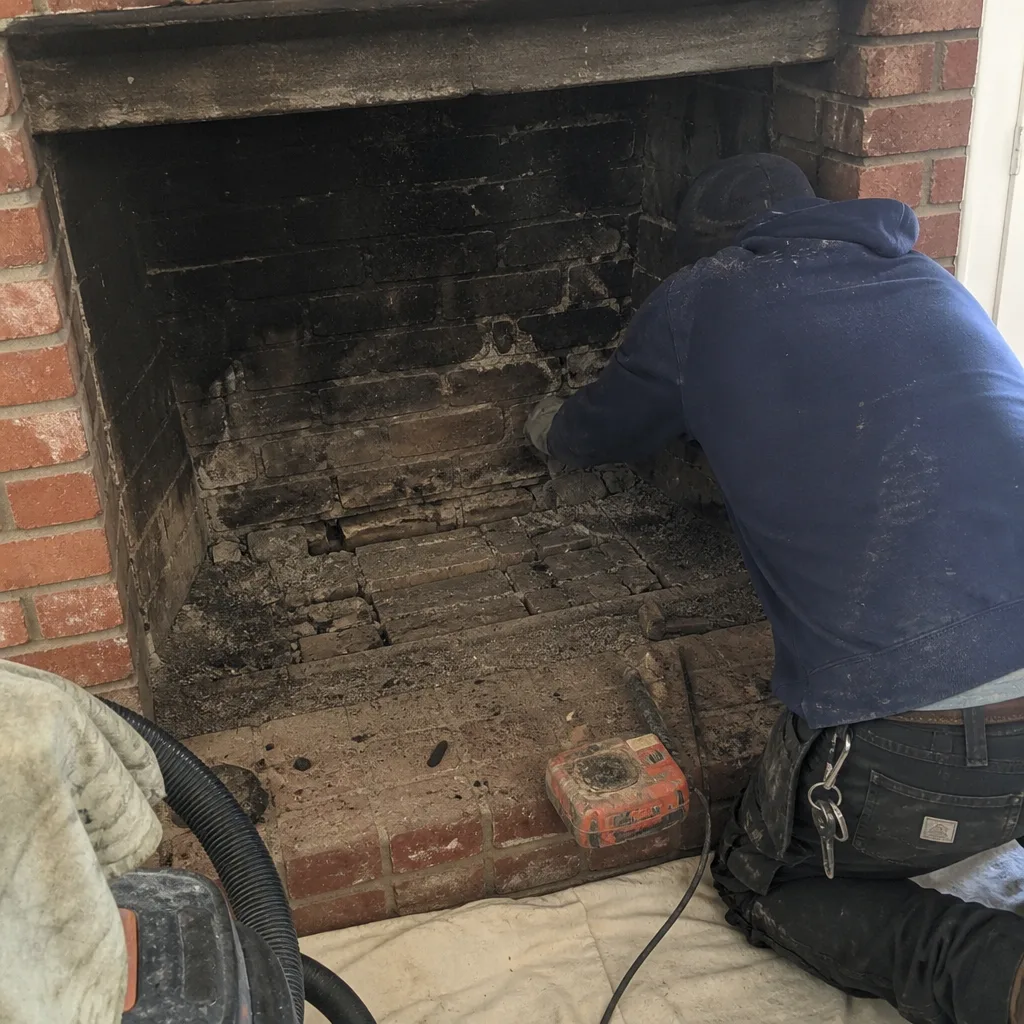 Before
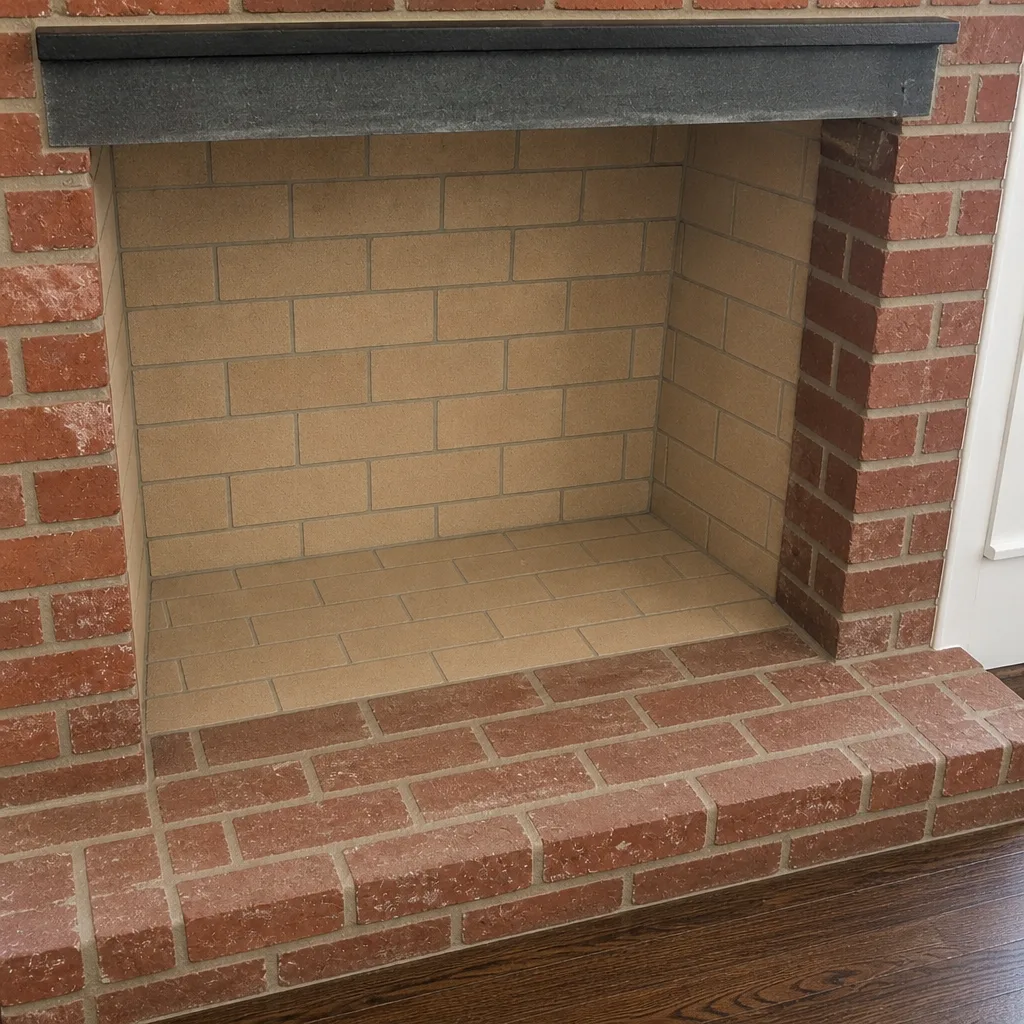 After
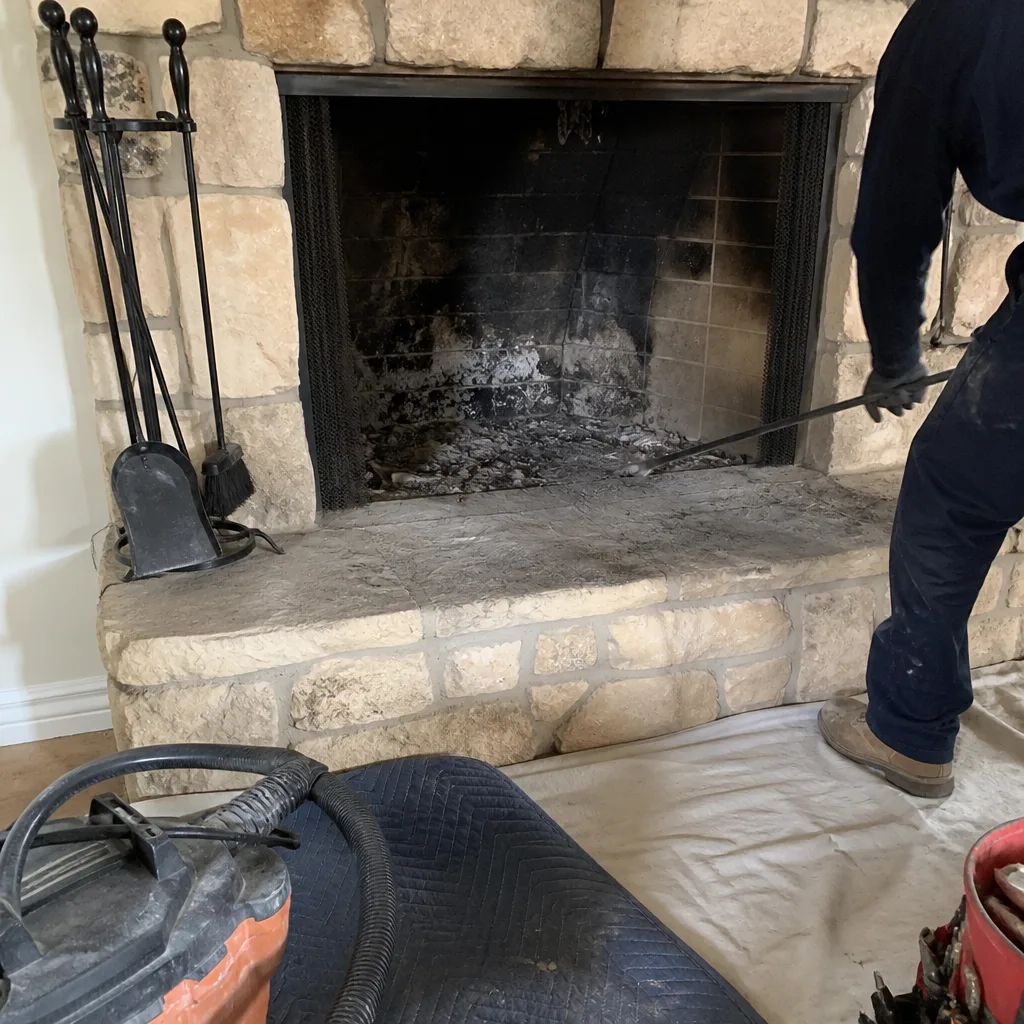 Before
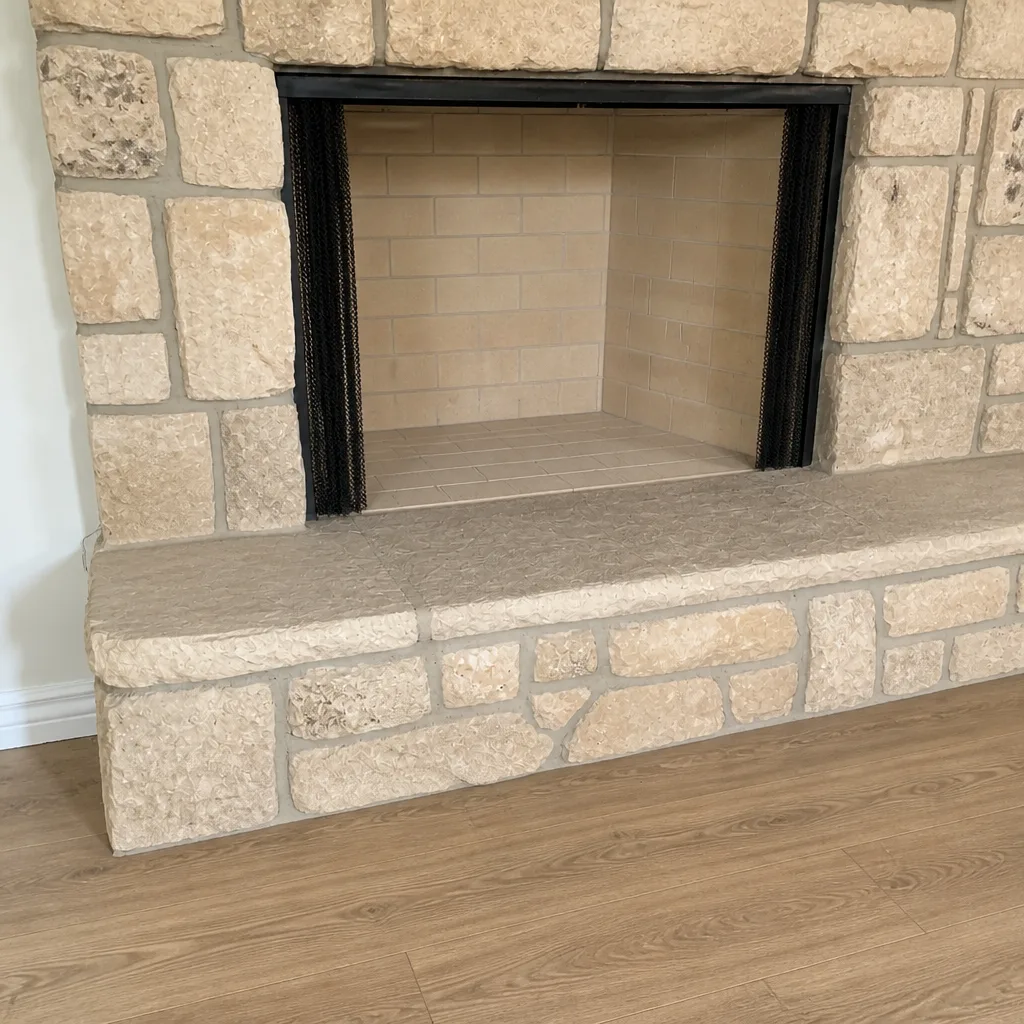 After
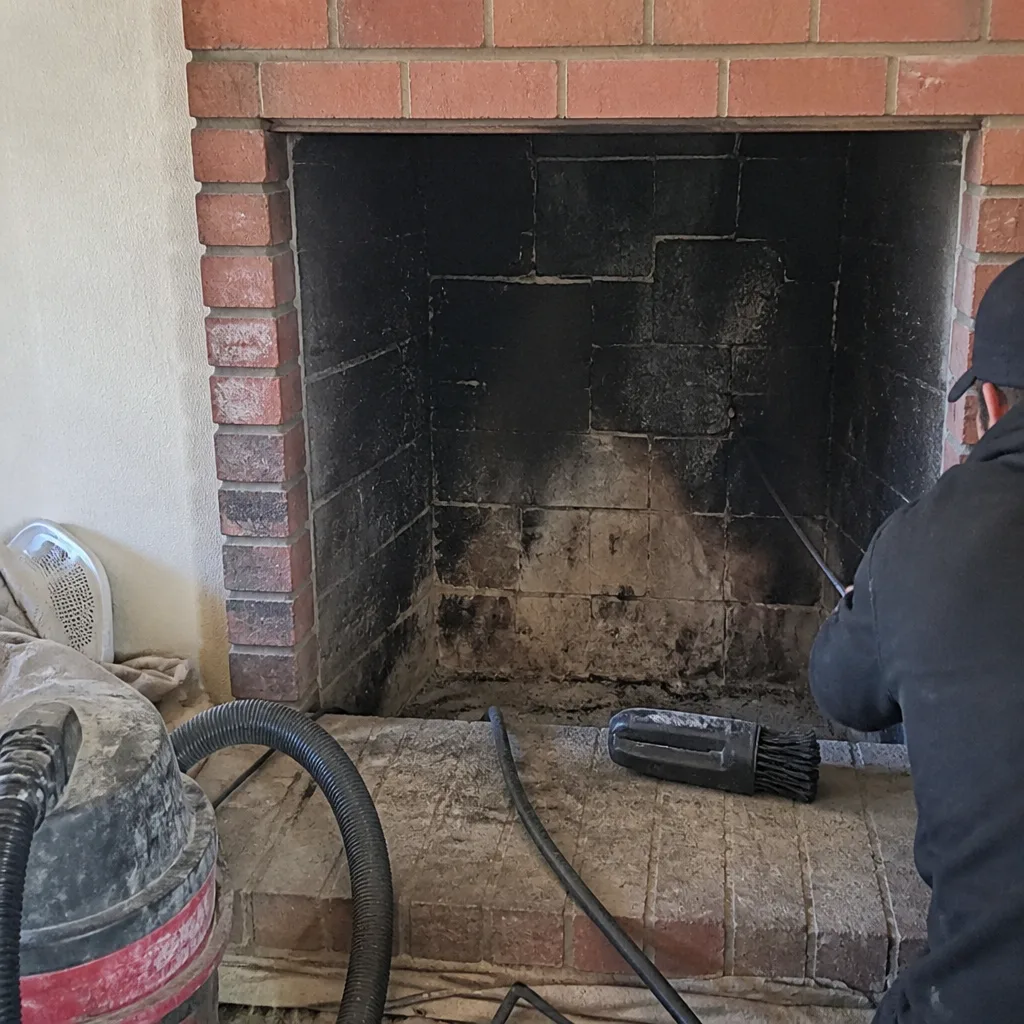 Before
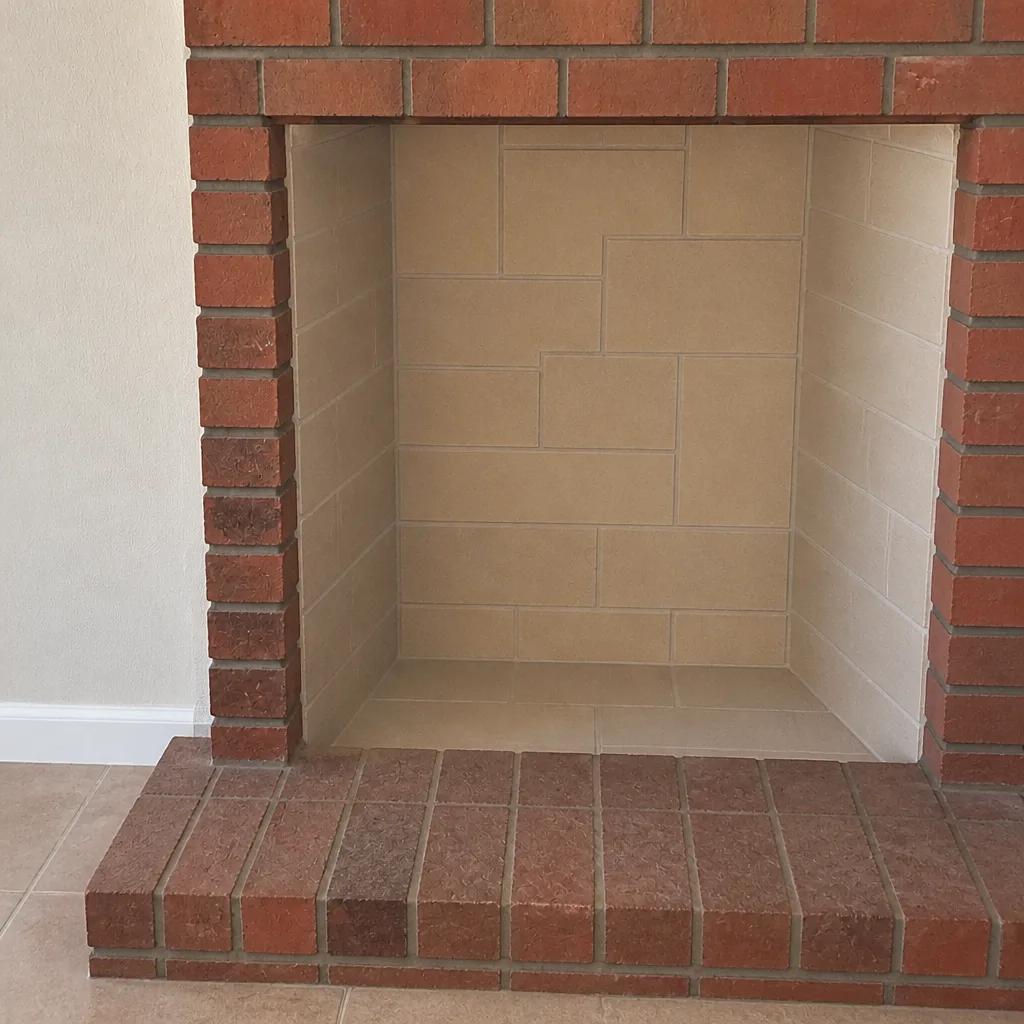 After
When to Call a Professional
Call us when you smell smoke in the room while the fireplace is off, when you hear an animal in the chimney, when the first fire of the season won’t draw, when you see soot or creosote stains around the firebox opening, when a chimney fire has been suspected or confirmed, or when you’ve had a cold snap and haven’t had the chimney inspected since last winter. Any of these is a good reason to have a professional put a camera in the flue before you use it again. Modesto Chimney Sweep offers free estimates in Modesto – call (855) 360-6515. We answer 24/7. Fast dispatch from 7am to 7pm, Sunday through Friday.
Frequently Asked Questions
In the Modesto market, a standard chimney sweep typically runs about $150 to $300, with inspection and camera work often quoted separately depending on the condition of the flue. The written estimate sets the final price, and the estimate itself is free. Call (855) 360-6515 for an exact quote.
Not always. If the camera inspection shows an intact flue, a thorough cleaning plus a cap and crown repair may be all that’s needed. If the liner is cracked or the joints are compromised, a DuraFlex liner or HeatShield resurfacing restores the flue without a rebuild. The decision follows the camera evidence. Call (855) 360-6515 for an exact quote.
Once a year for most wood-burning homes, and more often if you burn frequently or notice glazed creosote in the flue. For a Modesto home that uses the fireplace most winter evenings, schedule the sweep before fog season arrives rather than after. Call (855) 360-6515 for an exact quote.
Creosote builds up, a cap crack lets rain and animals in, and the first cold-snap fire of the season runs harder than the flue can handle. Over time the risk of a chimney fire and a carbon monoxide leak both climb. None of it is visible from the living room. Call (855) 360-6515 for an exact quote.
No. The fireplace stays out of use until a Level 2 camera inspection confirms the flue is intact. Using it before then sends the next fire’s heat into framing and chimney walls through any crack the fire left behind. Call (855) 360-6515 for an exact quote.
Sometimes. Fog-season air is heavy and cold, and a chimney that’s marginal for draft can push smoke into the room instead of pulling it up. That’s often a sign the flue is partially restricted, the cap is clogged, or the home is under negative pressure. It’s worth a camera inspection before you assume it’s just the weather. Call (855) 360-6515 for an exact quote.
The Bottom Line
Chimney emergencies in Modesto follow patterns. The first cold snap of fog season is the highest-risk moment for a chimney fire. Summer dormancy is when flues get blocked by nests and debris. A missed chimney fire is what makes the next one dangerous, and a Level 2 camera inspection is what proves whether the flue is intact. Get the sweep and inspection done before you need the fireplace. Install a proper cap. Keep CO alarms working. If you’ve had a suspected fire, stay off the fireplace until a professional has been in the flue. And call (855) 360-6515 for a free estimate. We answer 24/7. Fast dispatch from 7am to 7pm, Sunday through Friday.
Written by the team at Modesto Chimney Sweep.