
Last updated November 16, 2026
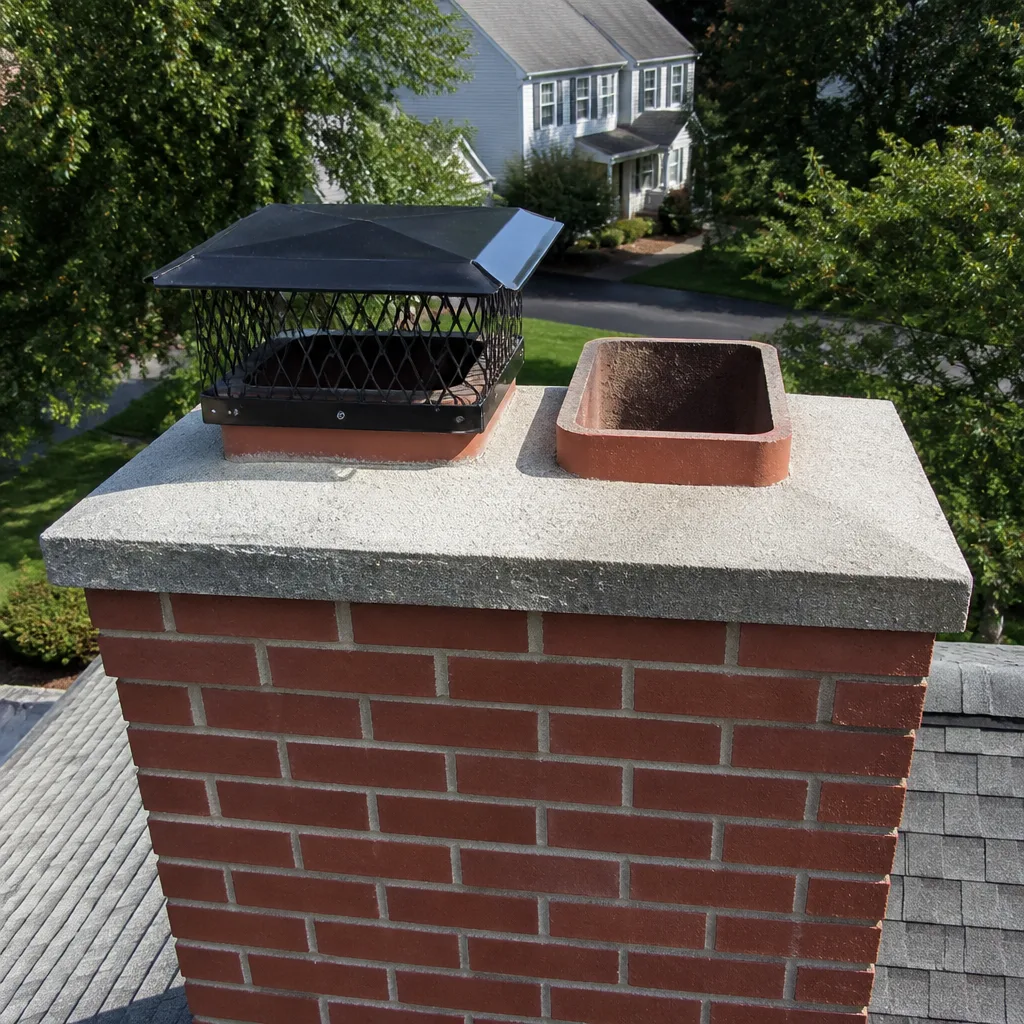 Sweep & inspection
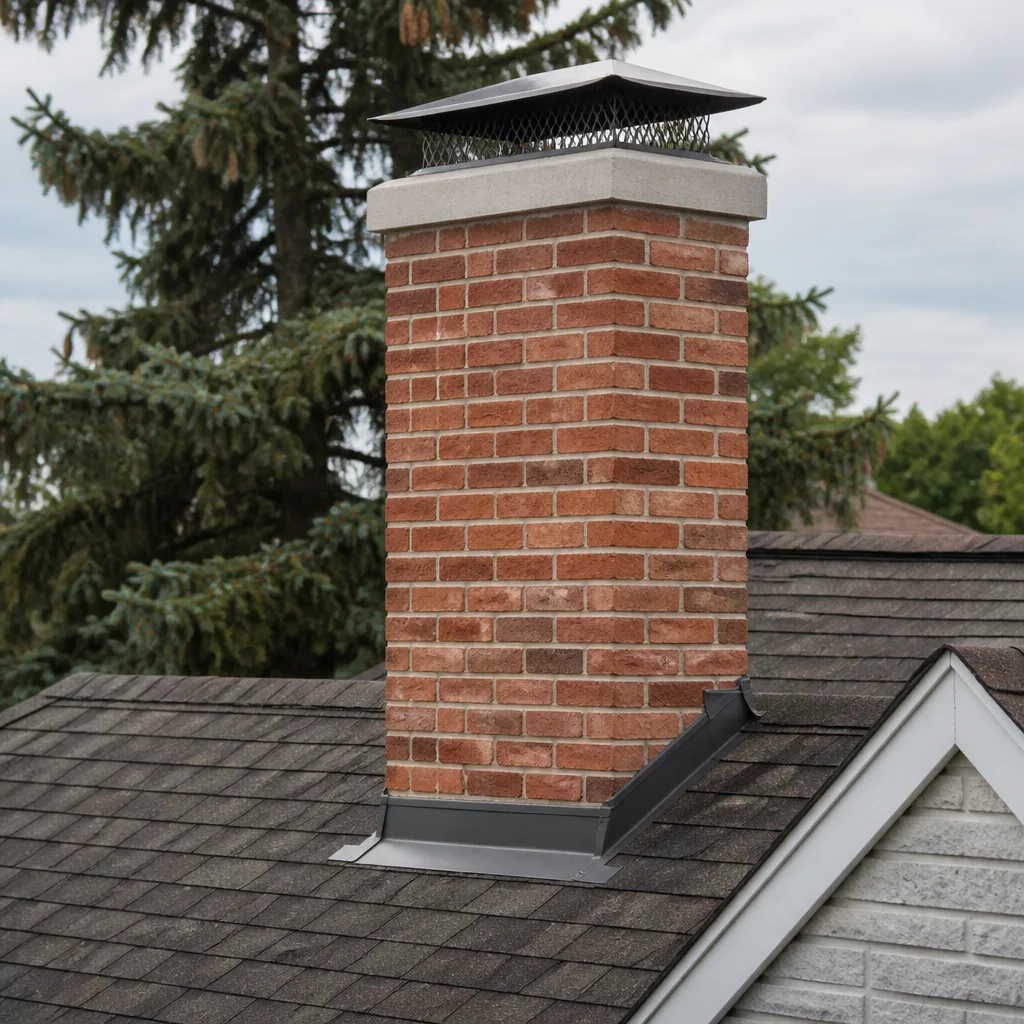 Caps & crowns
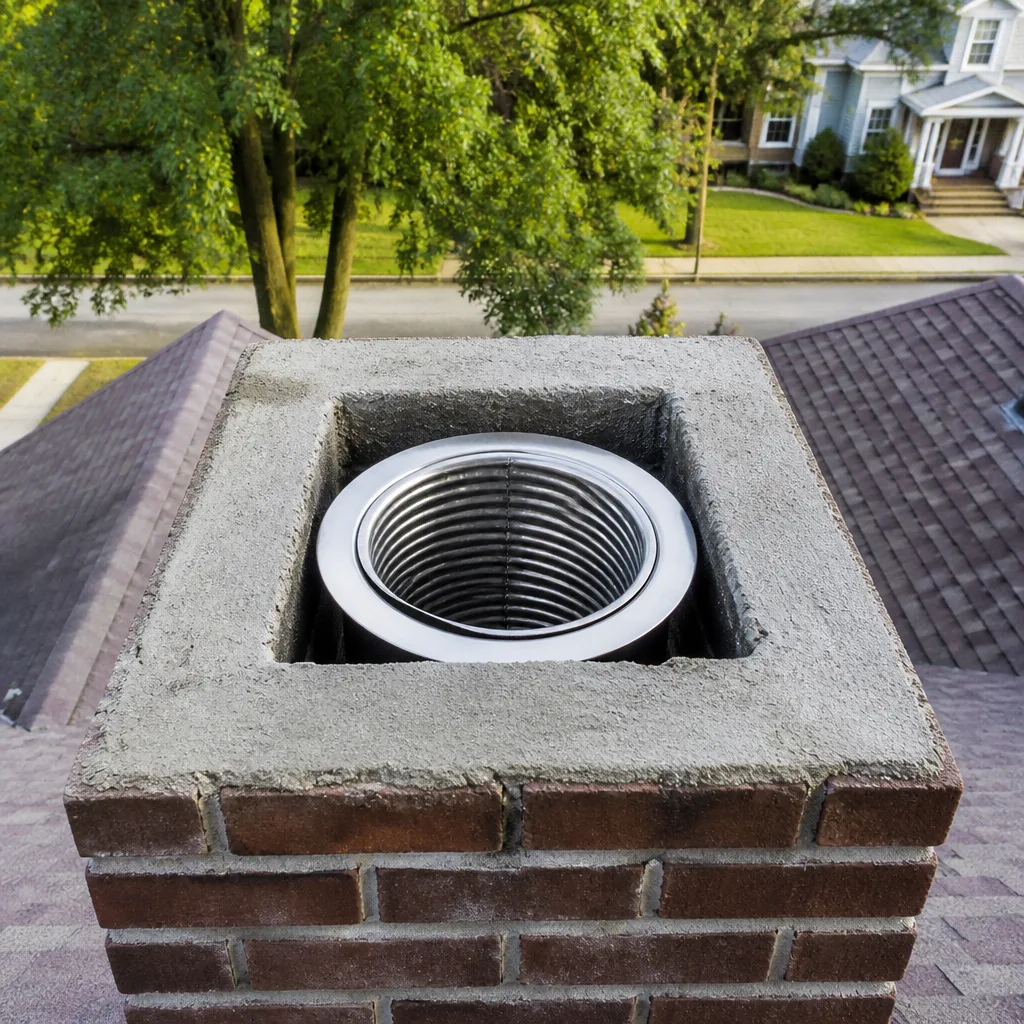 Flue relining
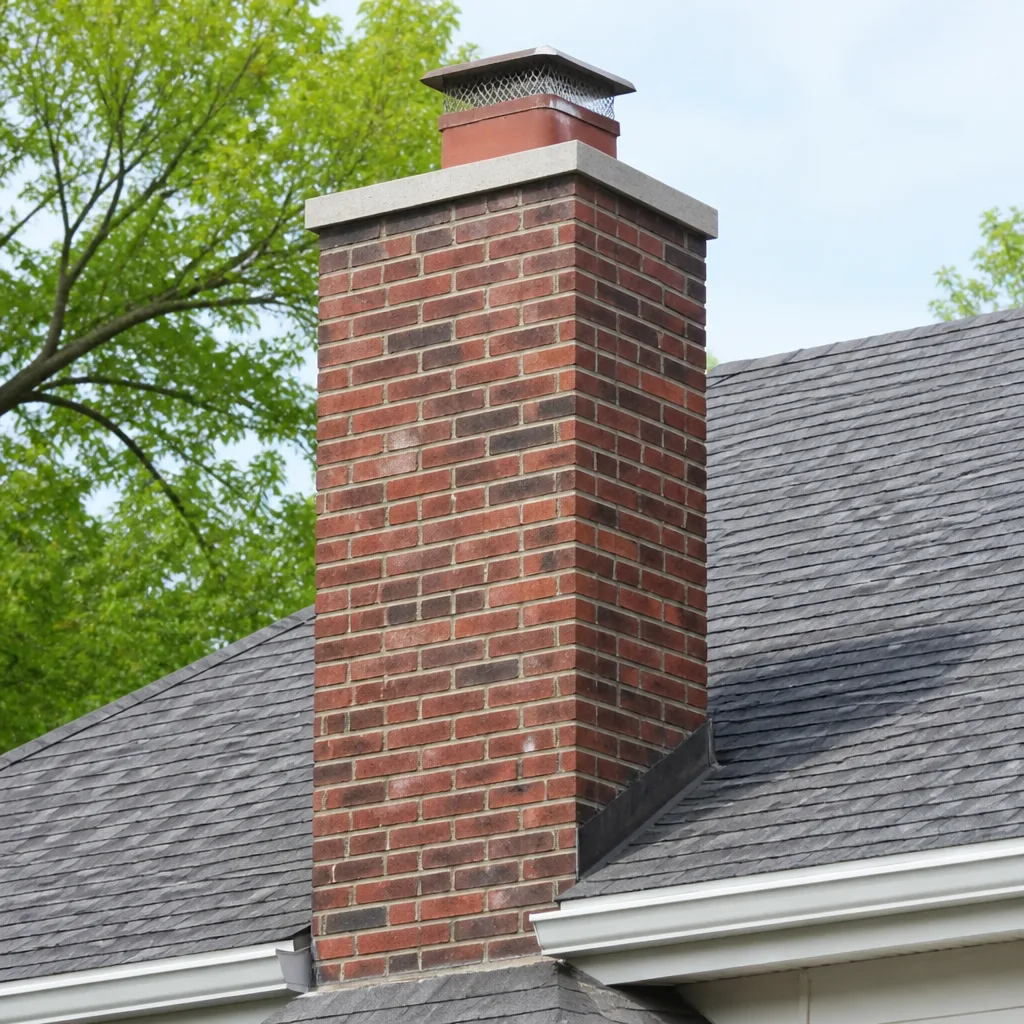 Masonry repair
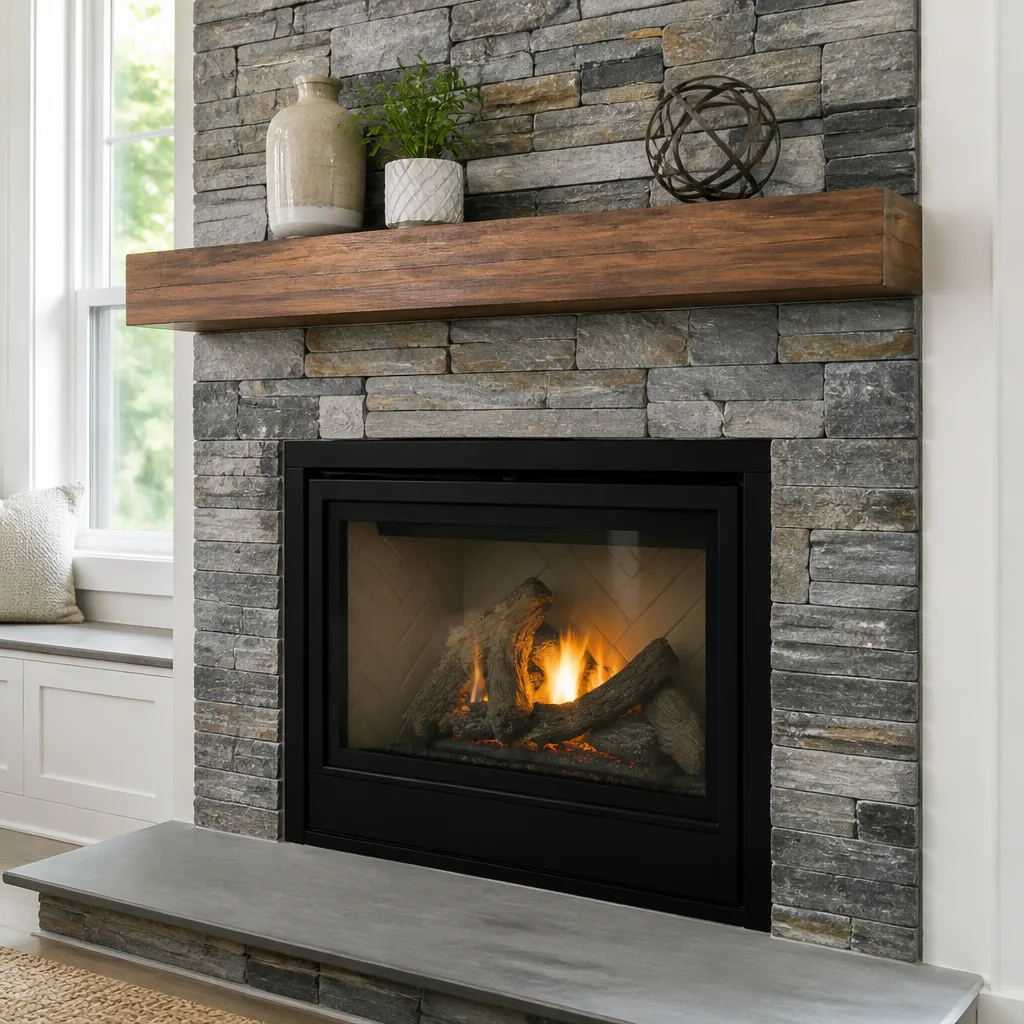 Gas fireplace service
Level 1 sweep and inspection to the NFPA 211 annual standard - flue, crown, cap, and flashing checked and photographed
Chimney sweep logs do not sweep chimneys. They loosen some creosote - which then falls where a brush and vacuum still have to collect it.
Chimney Sweep Troubleshooting in Modesto: Common Problems and How to Fix Them
If your fireplace smokes back into the room only on cold mornings, that isn’t a random quirk. It’s a textbook cold-stack draft failure, and it has a specific fix that has nothing to do with cleaning. Most chimney problems homeowners chalk up to bad luck are actually diagnosable patterns. The color of your soot points to combustion efficiency. The way smoke behaves points to a draft cause. The white powder on your brick points to something very different from crumbling brick. This guide treats your chimney like a system, not a mystery, walking through the common problems we see in Modesto homes and the mechanical cause behind each one.
Quick Answer
Most chimney problems in Modesto trace to one of a few causes: a draft failure, a creosote stage that’s advanced too far, a failing flue liner, or a missing or damaged cap letting water in. Soot color, smoke behavior, and masonry symptoms each point to a specific cause with a known fix. Diagnosing the cause before cleaning or repairing is what separates a real fix from a repeat service call.
Styles & brands we work with
- Sweep & inspection
- Caps & crowns
- Flue relining
- Masonry repair
- Gas fireplace service
Table of Contents
- What Your Soot Color Tells You
- Diagnosing Draft Problems: Pressure, Blockage, or Damper
- Why a Closed Fireplace Smells Like Smoke
- Spalling Brick vs. Efflorescence: Reading Masonry Symptoms
- Signs Your Flue Liner Is Failing
- Cap and Crown Problems
- When a DIY Fix Works and When You Need a Level 2 Inspection
- Creosote Stages and What Triggers a Chimney Fire
What Your Soot Color Tells You
Soot color is a combustion report card. Brown, black, and oily residue each tell you something different about how your fire is burning and how far the creosote has developed. Learning to read those colors lets you catch a problem while it’s still a maintenance issue rather than a fire hazard.
- Brown, powdery soot: Usually a sign of incomplete combustion. Wood that’s too wet, a fire that’s starved for air, or a flue that isn’t drafting well can all leave brown soot. It’s the least urgent stage, but it means your fires are running inefficiently.
- Black, flaky soot: A sign that combustion is incomplete and creosote is beginning to accumulate. The flaky texture is the first stage of creosote buildup.
- Oily, tar-like residue: The most serious stage and the one most often ignored. Oily residue means creosote has progressed toward a form that ignites easily and clings to the flue walls. It’s the stage that raises real fire risk.
Wood moisture is the underlying variable in every one of these. In Modesto, where the burning season is a mild stretch of cool nights rather than a deep freeze, homeowners often burn whatever’s stacked out back without checking moisture content. Seasoned wood burns hot and clean; green wood leaves the deposits that lead to the oily stage. Improving your wood and how you load and vent the fire changes soot color faster than any other single habit.
When soot is oily, cleaning alone isn’t enough. The flue walls need to be assessed for damage the creosote may have masked, and the liner needs to be checked. If you’re seeing tar-like buildup, a professional chimney sweep should inspect before scraping, because the underlying flue condition sets the repair plan.
Diagnosing Draft Problems: Pressure, Blockage, or Damper
A draft problem isn’t one problem. It’s a symptom with three very different root causes, and treating the wrong one wastes money. The three main categories are negative house pressure, a blocked flue, and an undersized damper opening. Each behaves differently, and each has a distinct fix.
Negative house pressure
Modern homes are tight. Bathroom fans, kitchen exhaust, and dryer vents pull air out of the house, and that air has to come from somewhere. When the pressure inside is lower than outside, the chimney becomes one of the paths the house uses to pull air in, and smoke goes with it. The telltale sign is smoke that back-drafts when other exhaust fans are running, or a fire that starts fine and then stalls. The fix is usually pressure balancing: cracking a window near the fireplace, checking that exhaust fans aren’t oversized for the house, or having a make-up air system sized for your setup.
Blocked flue
A blocked flue is usually nesting material, a collapsed liner section, or creosote that’s fallen and collected. The telltale sign is a fire that smokes regardless of how the house is pressurized, plus a weak or absent draft even when the fire is hot. A camera inspection confirms it. Never assume and never try to clear a blockage by shoving something up from the firebox; a damaged liner can collapse further.
Undersized damper opening
A damper that won’t open fully, or is undersized relative to the firebox, chokes the fire. The fire smokes, burns cool, and deposits creosote faster. The telltale sign is smoke that improves when you open the firebox door a crack, which is effectively adding air. A top-sealing damper replacement often corrects this and improves efficiency at the same time.
If you’ve tried the window-crack test and the fire still smokes, the cause is more likely blockage or a liner problem. That’s when a Level 2 inspection with camera equipment becomes necessary. We inspect before we sweep, because cleaning a damaged flue without fixing it first is a safety risk, not a service.
Why a Closed Fireplace Smells Like Smoke
Smoke smell in a closed fireplace is almost always a cap or damper seal issue, not residual soot. When a fireplace smells like smoke even when nothing’s burning, the smell is entering the living space from the chimney, not from the firebox walls themselves. That points to a pathway that isn’t sealed.
Two culprits account for most cases:
- A damaged or missing cap. The cap is the first line of defense. Without a proper cap, wind-driven air pushes into the flue and out into the house through any gap. A cap also keeps rain, birds, and debris out of a flue that isn’t protected. Gelco and Famco caps are the product lines we install because they fit correctly and keep the top weather-tight.
- A damper that doesn’t seal. A damper that leaves a gap lets cold outside air push chimney odor into the room when the house is under negative pressure. A top-sealing damper addresses this directly by capping the flue at the very top.
Residual soot is worth cleaning for many reasons, but it isn’t what causes a closed fireplace to smell. A sweep removes soot; a cap or damper correction stops the smell. In our experience, homeowners who clean repeatedly trying to fix a smell are treating the symptom. If your fireplace smells like smoke when it’s closed, start with the cap and damper before you book another cleaning. The right cap stops the problem before it starts.
Spalling Brick vs. Efflorescence: Reading Masonry Symptoms
Spalling brick and efflorescence look similar from a distance and mean very different things. Knowing which one you’re seeing tells you how urgent the repair is.
Efflorescence
Efflorescence is a white, powdery deposit on the brick surface. It’s salt drawn out of the masonry and left behind as moisture evaporates. Efflorescence is cosmetic. It doesn’t mean the brick is failing; it means moisture is moving through the masonry and out. The fix is finding where the water is getting in (a crown, a flashing joint, a failed cap) and sealing that entry point. Remove the source and the efflorescence stops reappearing.
Spalling
Spalling is brick that’s flaking, peeling, or popping off in layers. It’s a structural symptom. Water has gotten into the brick and is freezing or exerting pressure from inside, and the face of the brick is failing. Spalling doesn’t fix itself and tends to progress. The cause is still water, but the brick has already been damaged by it. Repair involves replacing the affected brick and correcting the moisture pathway that damaged it.
Modesto’s dry climate means brick doesn’t fail from freeze-thaw cycles the way it does in colder regions, but that doesn’t make masonry immune. Water from a failed crown, a missing cap, or a bad flashing joint still does the damage, and it does it year-round. The distinction matters: efflorescence is a warning to find the leak, spalling is a signal that the damage has already started.
If you’re unsure which you’re seeing, look at the texture. Efflorescence wipes away and leaves the brick face intact. Spalling doesn’t wipe clean; the surface comes apart. When in doubt, a chimney repair inspection settles it quickly.
Signs Your Flue Liner Is Failing
The flue liner is the component that keeps the heat and combustion products inside the chimney and the house’s structure away from the fire. It’s the part of the system you can’t see, which is why a failing liner is one of the most commonly missed problems. Some warning signs are visible; others only show up with a camera inspection.
- Visible cracks, gaps, or missing pieces in a masonry liner, or a liner with flaking surfaces.
- White staining or discoloration at the chimney top that suggests combustion byproducts are escaping around the liner.
- Creosote deposits behind a damaged liner that indicate gases are bypassing it.
- Smoke or odor in the house that isn’t explained by a cap or damper issue.
- A liner that fails a camera inspection at joints or above the smoke chamber.
When the liner has failed, the fix is relining, not patching. We install DuraFlex flexible liner systems, a professional-grade relining solution that most sweep-only companies can’t offer. For liners that are compromised but still structurally sound, HeatShield flue resurfacing is a non-demolition repair that restores the flue without a full rebuild. As a manufacturer-backed product, HeatShield carries its own warranty, and the repair holds up the way a factory-engineered system should.
Relining isn’t optional when a liner has failed. A failed liner lets heat and combustion products reach the house structure, and no amount of sweeping substitutes for a sound liner. If you’re unsure whether your liner is a candidate for resurfacing or needs replacement, an inspection answers that question with pictures.
Cap and Crown Problems
The cap and crown are the chimney’s roof, and most water damage in a chimney starts at the top. A cap that’s missing, rusted through, or incorrectly sized lets water into the flue and lets birds and debris in. A crown that’s cracked or separating lets water into the masonry itself. Both are cheap to fix and expensive to ignore.
Caps come in different styles depending on your appliance and flue configuration. A wood-burning flue needs a cap with a spark screen; a gas appliance flue needs a cap sized for its particular vent. Gelco and Famco product lines cover most residential setups, and we size the cap to the flue, not to the shelf. An incorrectly sized cap that sits too close to the flue top can restrict draft and cause more smoke problems than it solves.
The crown is the concrete or mortar cap at the very top of the chimney, and it slopes to shed water. When the crown cracks, water goes into the masonry below and eventually shows up as efflorescence on the sides of the chimney. Crown repair or replacement is a masonry job, and it should be done with the right mix and a proper slope, not a cosmetic patch.
We install Gelco and Famco caps and covers because the right cap stops the problem before it starts. A weather-tight cap and a sound crown are the two best investments in preventing repeat service calls. If you’ve had water in your flue two seasons running, the cap and crown are the first place to look in Modesto.
When a DIY Fix Works and When You Need a Level 2 Inspection
Not every problem needs a professional. Some do, and knowing which is which saves you money and keeps you safe. Here’s the practical line.
Reasonable DIY territory
- Testing draft behavior with the window-crack method and noting when smoke back-drafts.
- Checking the cap visually from the ground for rust, missing screens, or obvious damage.
- Improving your wood supply (dry, seasoned wood) and your firebuilding habits.
- Inspecting the firebox for visible cracks and calling a professional if you find them.
- Keeping the area around the hearth clear and the damper operating freely.
Time for a professional with camera equipment
- Smoke that back-drafts regardless of pressure changes or weather. That’s a sign of blockage or a liner problem.
- Oily creosote visible in the flue. The flue needs internal assessment, not just scraping.
- Any sign of a damaged liner. Liner integrity requires a camera to see properly.
- A chimney fire, even a small one. The flue needs a Level 2 inspection after any chimney fire before the fireplace is used again.
- Buying or selling a home in Modesto. A Level 2 inspection documents the flue’s condition before a sale.
- Adding a new appliance to an existing flue (a new insert, or a gas appliance in a wood flue).
A Level 2 inspection uses a camera that runs the length of the flue. It’s the only way to see cracks at joints, gaps behind a liner, or creosote in the smoke chamber. Without that view, any fix is a guess. We do inspection, cleaning, and repair on the same visit when the findings allow it, so you’re not coordinating a separate specialist for each step.
Creosote Stages and What Triggers a Chimney Fire
Creosote builds in three recognizable stages, and only the first is a simple cleaning issue. Understanding the stages makes the case for regular sweeping concrete rather than abstract.
- Stage 1: Soot and flaky creosote. A brush removes it. This is where a routine sweep keeps the flue clear.
- Stage 2: Crusty, hardened deposits. A standard brush removes some of it, and the flue needs closer attention. This stage is a signal your burning habits or wood supply need correcting.
- Stage 3: Glazed, oily tar. This stage is dense and ignites easily. It’s the stage most associated with chimney fires. It requires professional removal and close inspection of the flue for heat damage.
How a chimney fire behaves depends on the stage and the flue’s condition. A flue full of stage 3 creosote, a cracked liner, or a gap behind a liner all make a fire more likely to reach the house’s structure. That’s why the work isn’t just sweeping: it’s confirming the flue is sound after the buildup is removed.
The good news is that creosote stage is controllable. Burning seasoned wood, keeping the fire hot enough to burn cleanly, and getting the flue swept before deposits progress past flaky creosote keeps your flue out of the stages that matter most. In Modesto, where many homeowners use their fireplace seasonally, an annual sweep is usually enough to stay in Stage 1.
Common Mistakes to Avoid
- Burning unseasoned wood because it’s what’s stacked out back. Wet wood burns cool and deposits creosote fast. It’s the single easiest way to move your flue from flaky deposits to oily residue.
- Cleaning repeatedly to fix a smoke smell. A closed fireplace that smells like smoke usually has a cap or damper seal problem, and another sweep won’t stop it. Check the cap before booking another cleaning.
- Treating efflorescence as a cleaning problem. That white powder is a signal of moisture moving through the masonry. Find the leak or the deposit keeps returning.
- Ignoring a cracked crown until the masonry is affected. Modesto’s dry climate doesn’t stop water from a failed crown from working into brick. A crown repair is a small job; a rebuild isn’t.
- Trying to clear a flue blockage from the firebox. Shoving something up from below can collapse a liner further and put debris where it’s hard to extract. Let a camera inspection confirm the blockage and the fix.
- Skipping a Level 2 inspection after a chimney fire. The fire may have been small, but heat damage to the liner can be invisible. A camera inspection is the only way to know the flue is sound again.
- Assuming a sweep-only company will catch liner problems. Cleaning removes soot; diagnosing a failing liner takes a camera and a repair scope. Make sure the specialist can repair what the inspection finds.
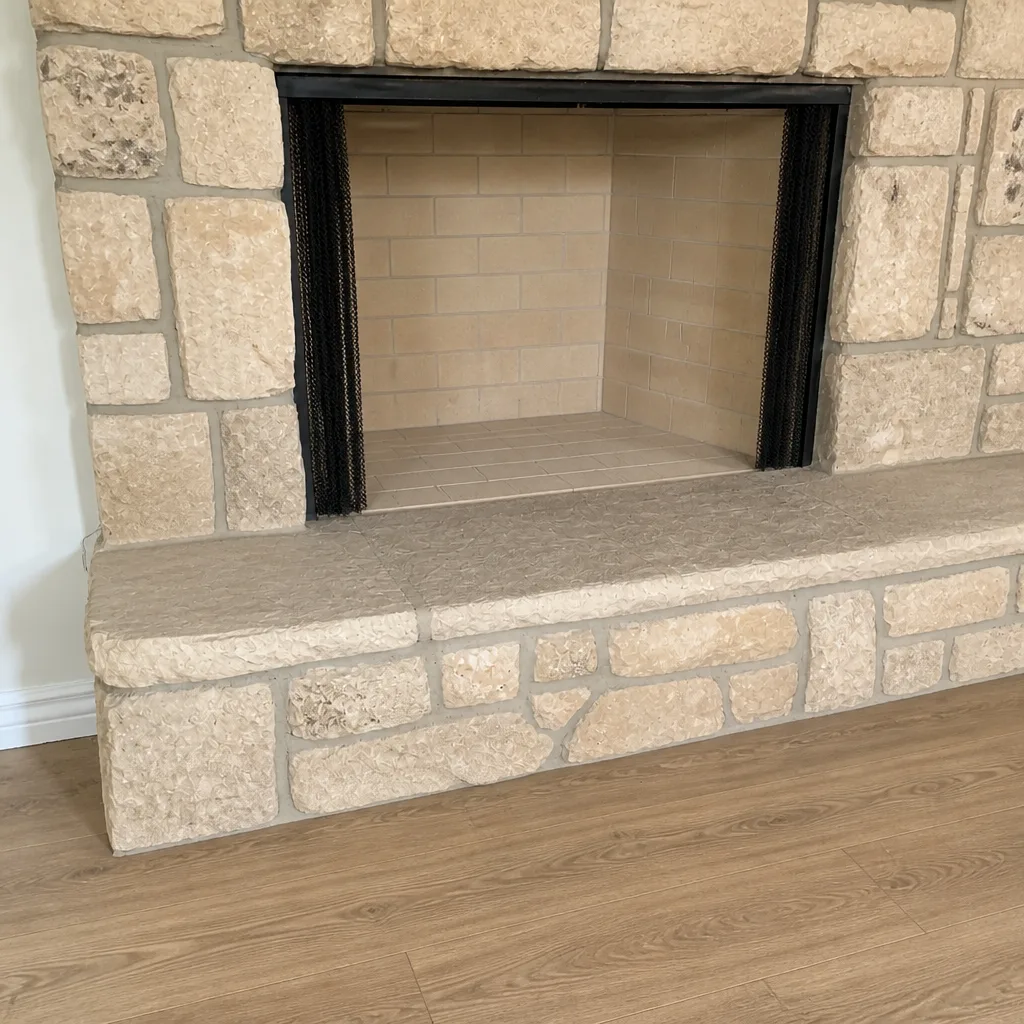
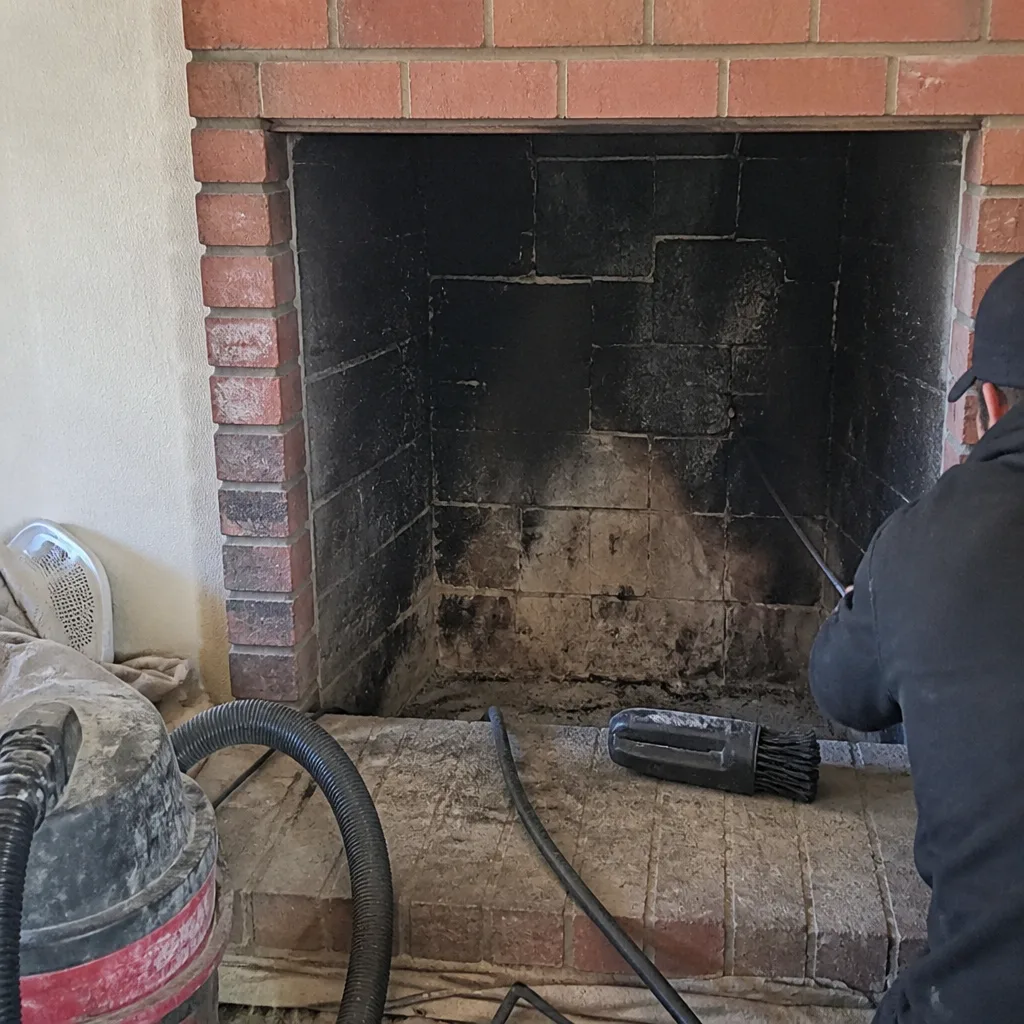
See the difference
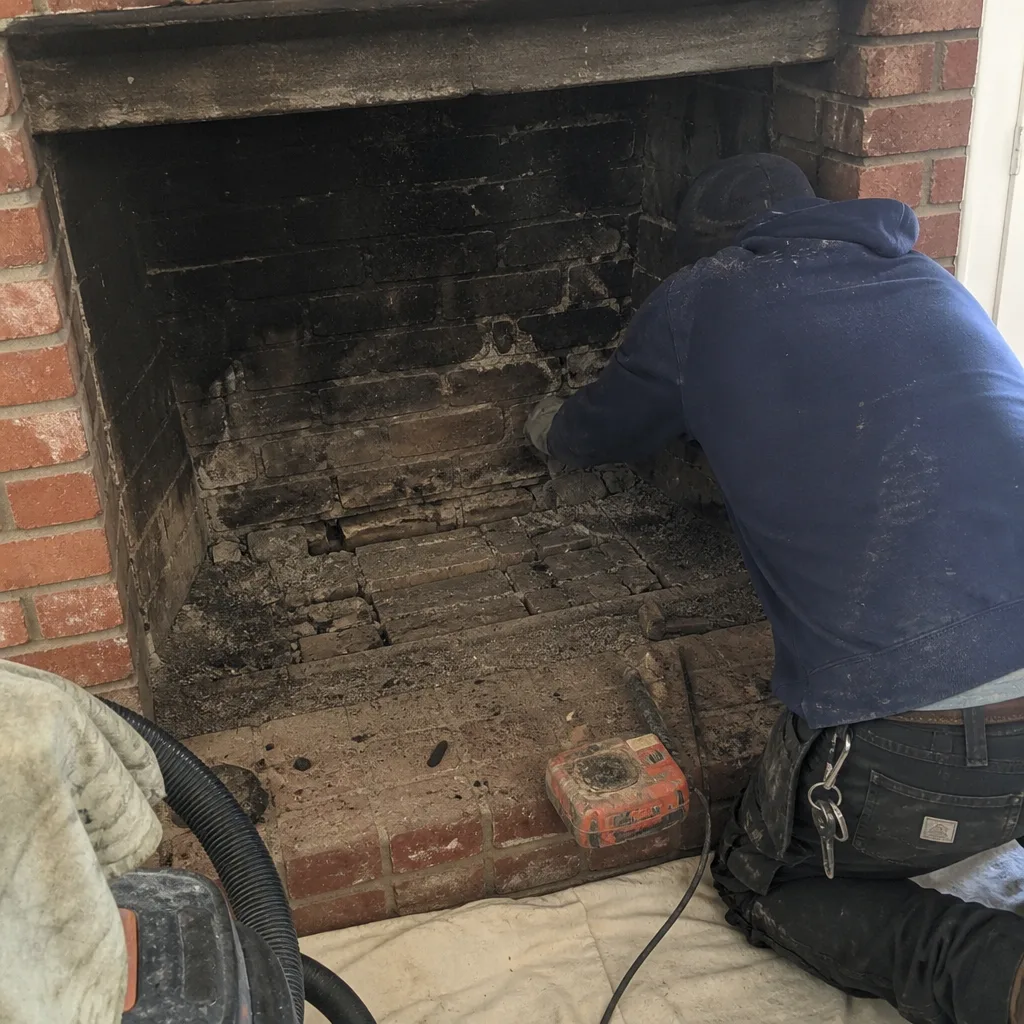 Before
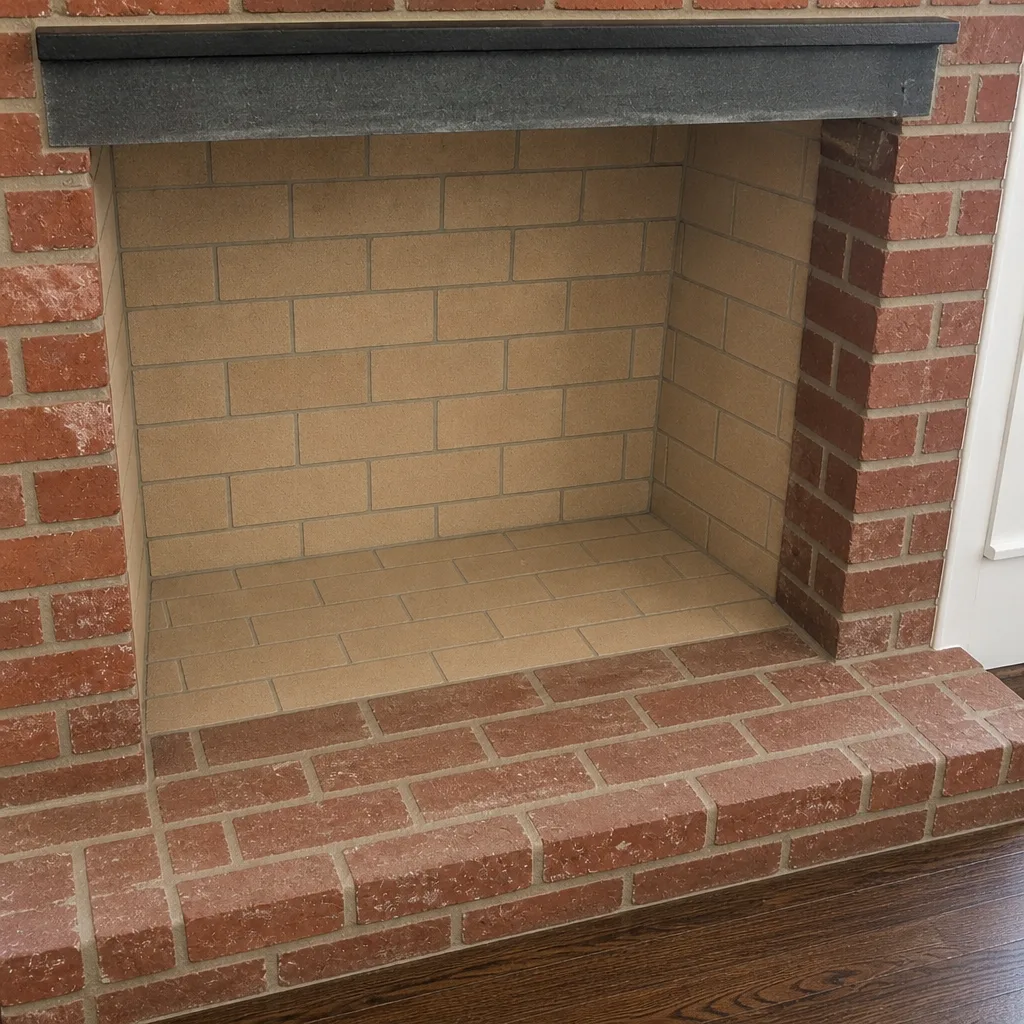 After
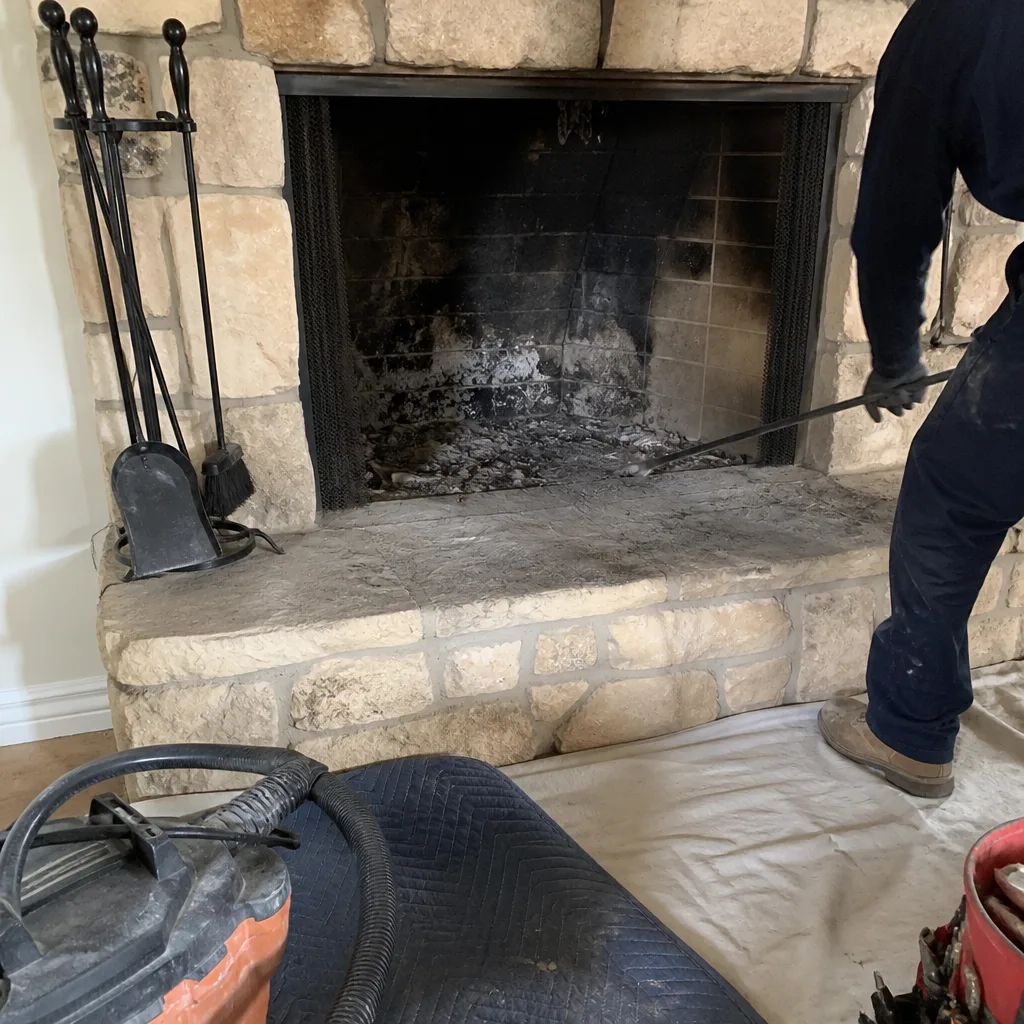 Before
 After
 Before
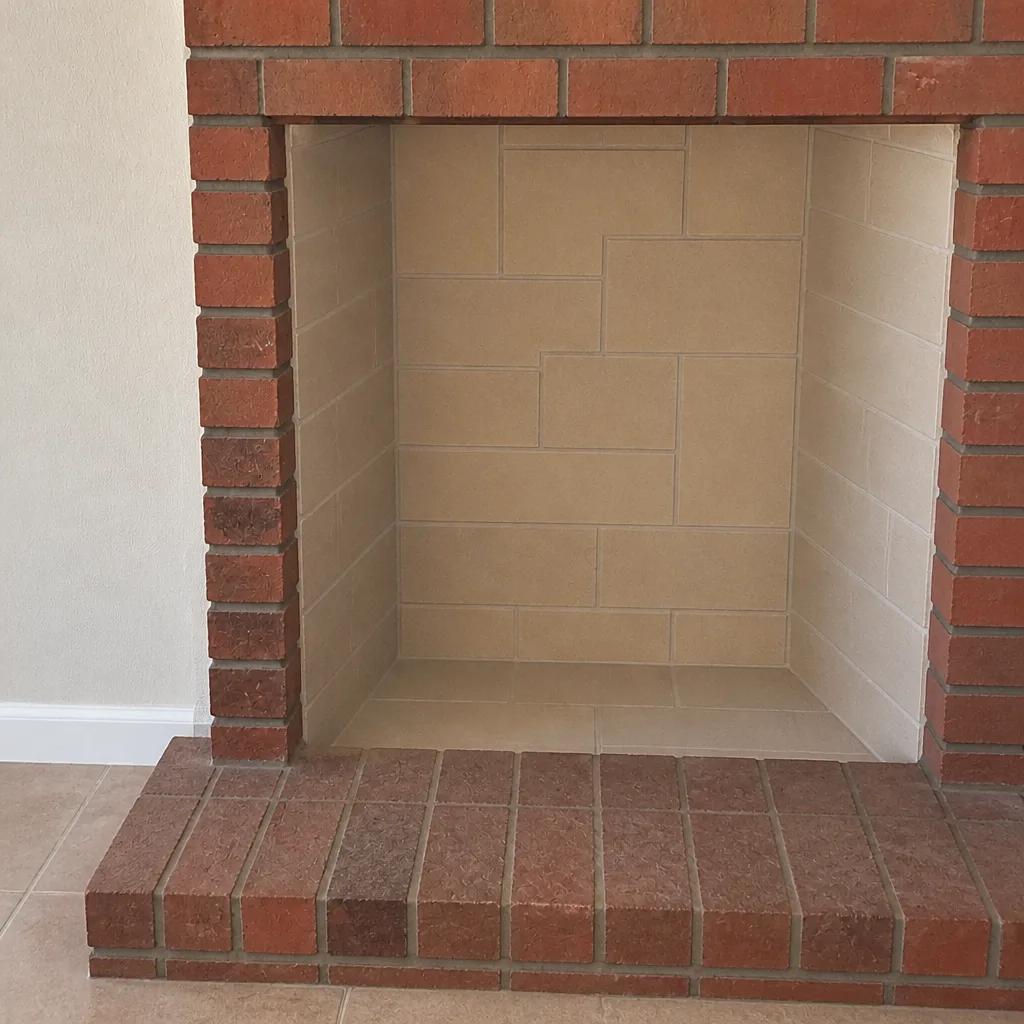 After
When to Call a Professional
Call a professional when smoke back-drafts no matter what you try, when you see oily or tar-like creosote in the flue, or when any sign points to a damaged liner. Call after any chimney fire, before you use the fireplace again, and before a home sale in Modesto when the flue’s condition needs documenting. Call too if you’re adding an insert or changing the appliance on an existing flue. The line between a maintenance job and a repair job is exactly where a camera inspection pays for itself. Modesto Chimney Sweep offers free estimates in Modesto. Call (855) 360-6515. We answer 24/7. Fast dispatch from 7am to 7pm, Sunday through Friday.
Frequently Asked Questions
Draft problems and creosote buildup top the list in our experience. Modesto’s mild winters mean many homeowners burn seasonally and skip a sweep between seasons, so deposits have time to progress past flaky creosote. Smoke smell in a closed fireplace, usually a cap or damper issue, is a close third. Each one has a specific fix, which is why diagnosing the cause comes before cleaning or repair.
Try cracking a window near the fireplace. If the smoke clears, the cause is likely negative house pressure. If it doesn’t, the cause is more likely a blocked flue or a liner problem, and that needs a camera inspection. Never try to clear a blockage from the firebox yourself; a camera confirms the cause and protects the liner. Call (855) 360-6515 for an exact quote. Estimates are free.
Black soot and oily residue are worse than brown soot. Brown soot indicates inefficient combustion, usually wet wood or poor draft, and it’s the least urgent stage. Black, flaky soot shows creosote is accumulating, and oily or tar-like residue is the most serious stage because it ignites easily. Any of the darker stages is a reason to schedule a sweep and a liner check before the next fire.
You can improve wood quality, adjust firebuilding habits, and test draft with the window-crack method. That covers a fair amount of smoke troubleshooting. What you can’t safely do yourself is diagnose a blocked or damaged flue, which is where most persistent smoke problems live. If the window test doesn’t change anything, a Level 2 inspection with a camera is the next step. Call (855) 360-6515 to book a free estimate.
Once a year during the burning season is the standard for a wood-burning fireplace, plus a check if you notice smoke problems, smell, or heavy creosote. Gas appliance flues should be inspected on a schedule too, since they fail differently. If you skipped a season, book a sweep and a liner check together. Call (855) 360-6515 for an exact quote. Estimates are free.
Creosote keeps building, and the flue moves from flaky deposits into the crusty and oily stages where fire risk rises. A liner problem that a sweep would have caught continues to develop unseen. The risk isn’t immediate every season, but it compounds. Getting the flue checked and cleaned before the next burning season keeps your system out of the stages that matter most. Call (855) 360-6515 for a free estimate.
The Bottom Line
Chimney problems are diagnosable patterns, not bad luck. Soot color tells you how efficiently your fire is burning and how far creosote has progressed. Smoke behavior separates negative house pressure from a blocked flue from an undersized damper. White powder on brick means moisture is moving through the masonry; flaking brick means that moisture has already done damage. Oily creosote and a failing liner are the two problems worth moving on quickly. The fix always starts with knowing the cause, and a camera inspection is what tells you the cause. If you’re in Modesto and your chimney is misbehaving, one visit can cover inspection, cleaning, and repair.
Call (855) 360-6515 for a free estimate. We answer 24/7. Fast dispatch from 7am to 7pm, Sunday through Friday. You’ll get a written estimate that sets the final price before any work begins, and nothing is recommended without camera evidence you can see for yourself.
Written by the team at Modesto Chimney Sweep.