
Last updated November 16, 2026
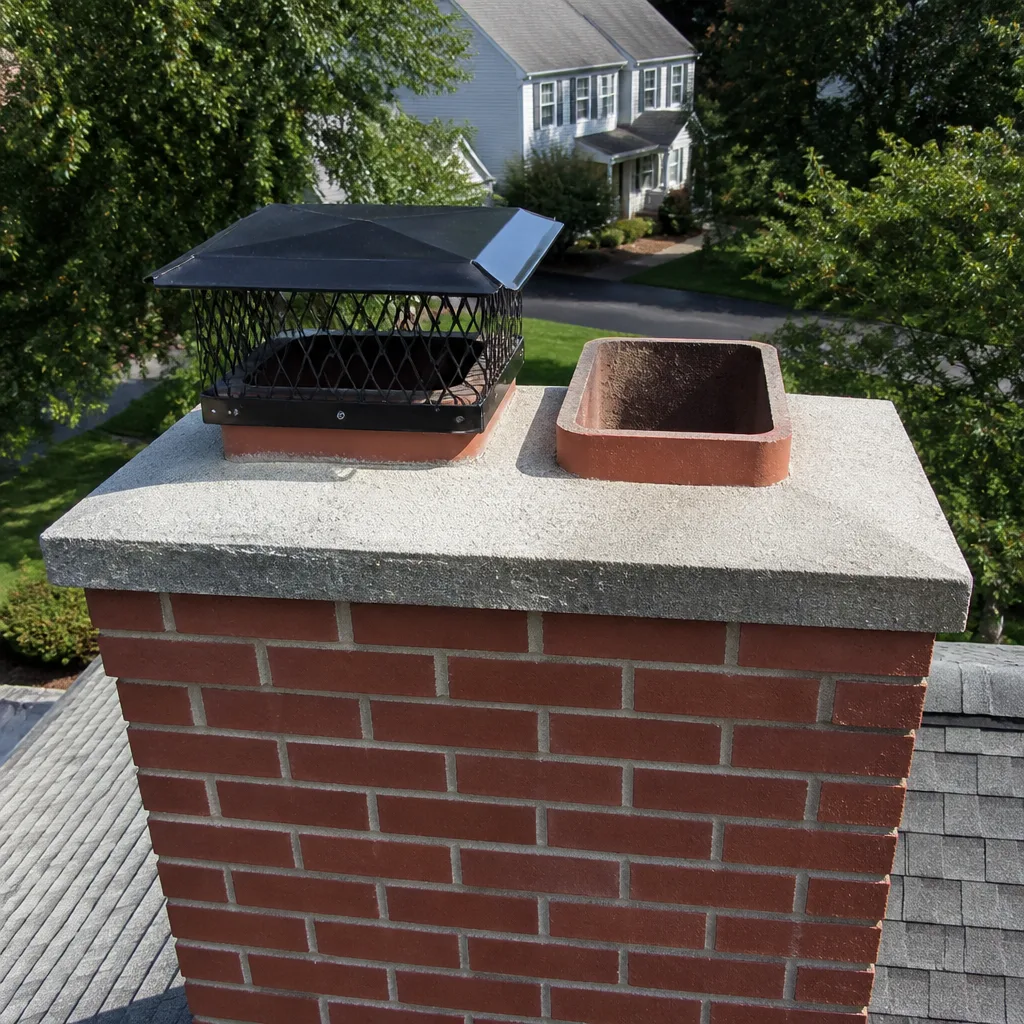 Sweep & inspection
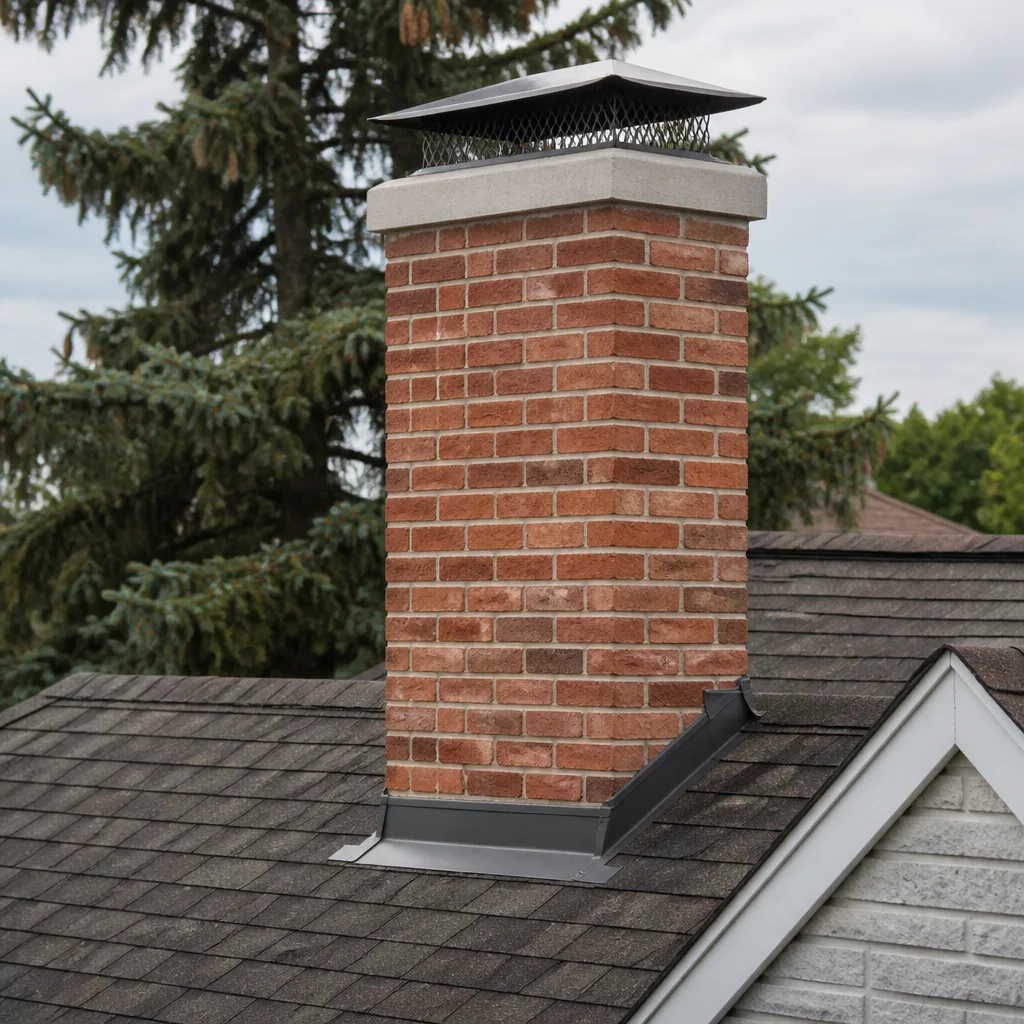 Caps & crowns
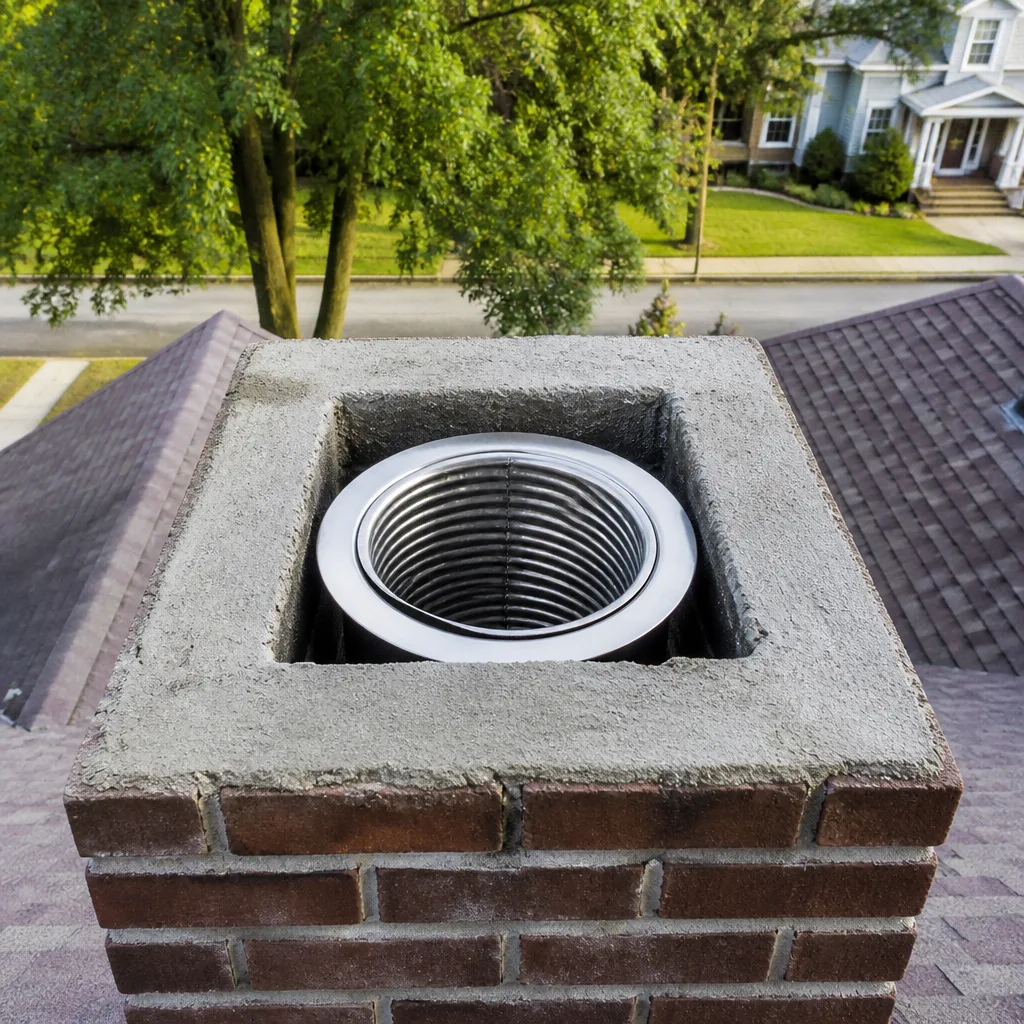 Flue relining
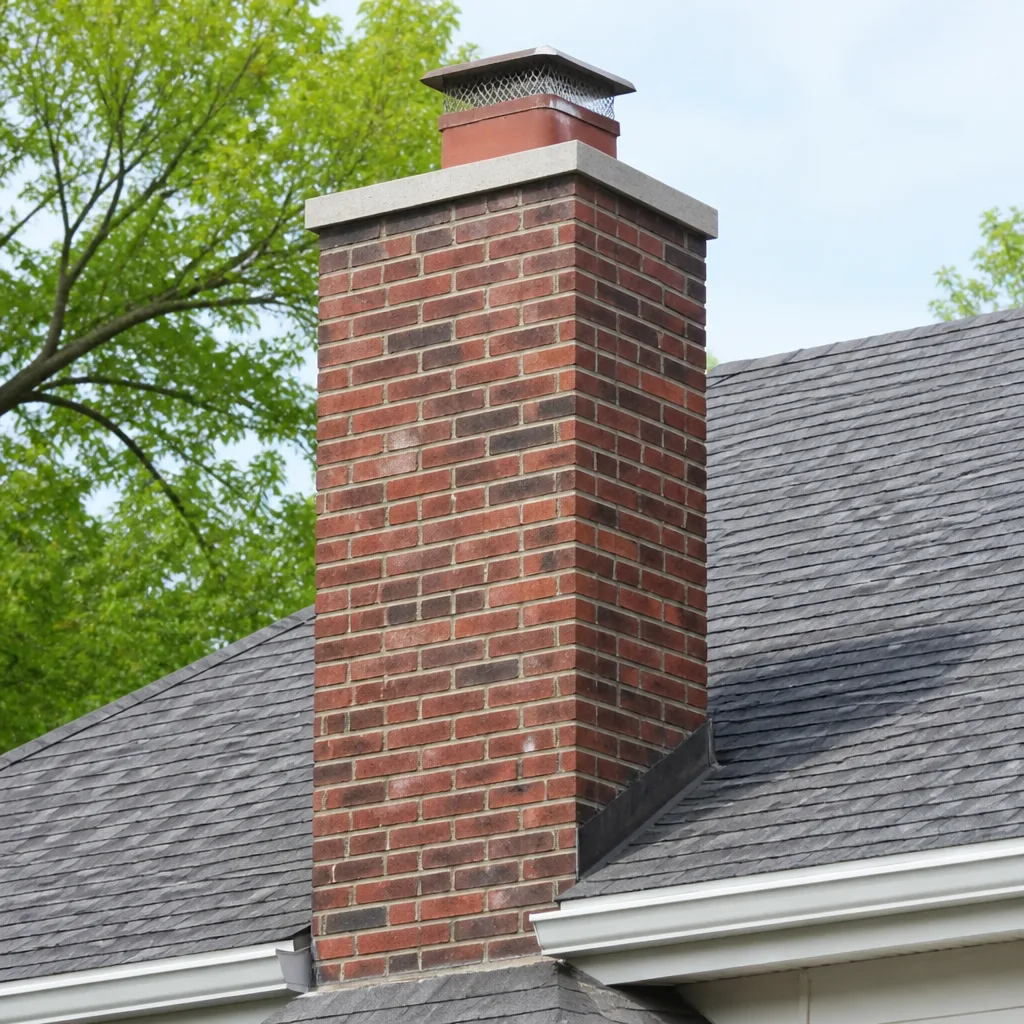 Masonry repair
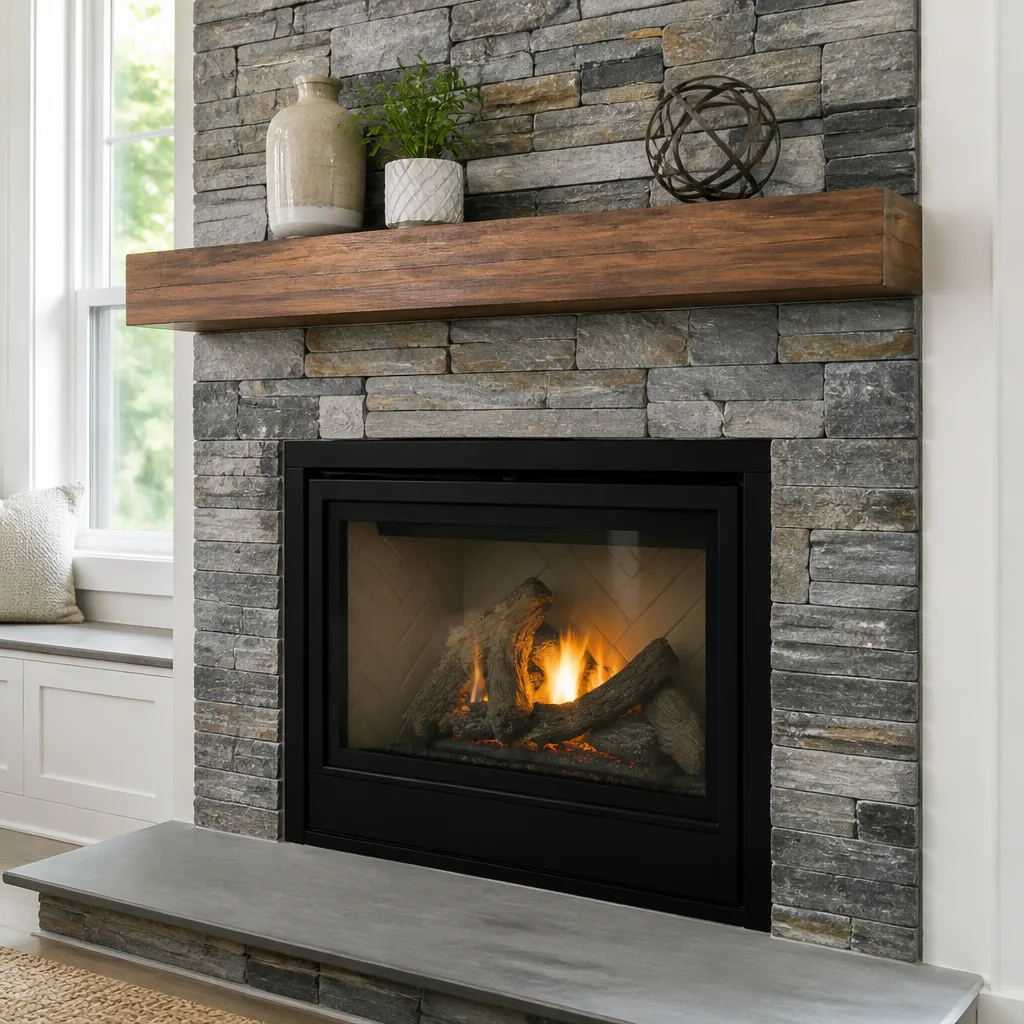 Gas fireplace service
Level 1 sweep and inspection to the NFPA 211 annual standard - flue, crown, cap, and flashing checked and photographed
Chimney sweep logs do not sweep chimneys. They loosen some creosote - which then falls where a brush and vacuum still have to collect it.
DIY vs Professional Chimney Cleaning: The Modesto Homeowner’s Decision Guide
You can buy a chimney brush kit at Home Depot for less than a nice dinner out, and in a narrow set of cases that kit will do a real job: it will knock loose, flaky creosote off the walls of a straight 8×8 flue. Most Modesto homeowners who get that kit home are working on a chimney that doesn’t fit that description. Mid-century houses across Modesto are full of offset flues, and by the time a stack has seen three or four seasons of fires the deposit inside it has often moved past the flaky stage. This guide won’t tell you to always call a pro, and it won’t pretend a brush is a schedule. It walks through the four conditions that make DIY cleaning technically sound, the tools a proper DIY job actually requires, the parts of the chimney a brush physically cannot check, and the middle path that a lot of careful homeowners settle on: brush the flue yourself, hire a professional inspection once a year. You’ll know exactly where you stand by the end.
Quick Answer
DIY chimney cleaning is safe and effective only when all four of these are true: the flue is a straight run with no offset, the creosote inside is stage 1 (flaky and surface-level), the terra-cotta liner is intact, and you burn fewer than about 10 fires per season. If any one of those fails, a brush alone won’t make the chimney safe and may not remove what’s actually inside. The defensible middle path for a light-use Modesto homeowner is to brush the flue yourself and hire a professional for an annual inspection, so the parts a brush can’t see get looked at by someone with the training and the camera.
Styles & brands we work with
- Sweep & inspection
- Caps & crowns
- Flue relining
- Masonry repair
- Gas fireplace service
Table of Contents
- The four conditions that make DIY cleaning technically sound in Modesto
- Tools a proper DIY job actually requires
- What DIY cleaning physically cannot accomplish
- The liability reality of a DIY-cleaned chimney
- The middle path: DIY brush plus annual professional inspection
- Stage 1 versus stage 2 creosote: how to tell the difference
- How often a Modesto chimney actually needs cleaning
- Common mistakes to avoid
- When to call a professional
- Frequently asked questions
The four conditions that make DIY cleaning technically sound in Modesto
There are four specific conditions, and all four have to be true at once. Miss one and the whole calculation changes.
- Straight flue geometry. The flue has to run straight from the firebox up through the chimney top with no offset (a jog to one side) and no significant bend. A straight 8×8 or 12×12 flue can be swept clean by a homeowner with the right brush size. An offset flue has a shelf at the bend where the brush can’t reach evenly, and creosote collects on the underside of that shelf. Modesto’s mid-century housing stock is where you’ll find most offsets: ranch homes from the 1950s and 60s often ran the flue around a load-bearing wall rather than through one, and the result is a chimney that a straight-shaft brush will skim but not clean.
- Stage 1 creosote only. Stage 1 is the flaky, gray, dry crust that brushes off with light pressure. If the inside of the flue is glazed, tar-like, or shiny, that’s stage 2 or stage 3 and no brush will remove it. See the creosote section below for how to tell.
- Intact terra-cotta liner. A brush against a cracked or spalled terra-cotta flue will widen the damage. Before you sweep, you need to know the liner is sound. Look down from the top with a mirror and a strong light, or have an inspection done first.
- Light fire frequency. Fewer than about 10 fires per season. If you’re burning every cold night through the winter, the deposit layer builds faster than an annual homeowner sweep can keep up with.
If all four conditions hold, a properly executed DIY sweep is a legitimate maintenance task. If any one of them doesn’t, the problem isn’t that DIY is unsafe in the abstract. The problem is that the brush you buy is sized for a different chimney than the one in front of you.
Tools a proper DIY job actually requires
The brush kit on the shelf is a start, not a complete job. A proper DIY sweep needs more than the brush, and the cost of doing it right is meaningfully higher than what the kit alone suggests.
- Correct-diameter polypropylene brush and rod set. The brush size has to match the flue dimensions. A 6-inch brush in an 8×8 flue leaves the corners unswept; an oversized brush wedges. Rods need to be long enough to reach the top of the stack from the firebox.
- Hardware-store drop cloths and a shop vac rated for fine soot. A standard household vacuum will pass soot into the room air. A HEPA-rated shop vac is the minimum. Even then, seal the fireplace opening with plastic before you start.
- Chemical log pre-treatment. A chimney-cleaning log burned a day or two before the sweep softens stage 1 creosote and lets the brush do less work. These logs are a pre-treatment, not a substitute for brushing.
- Inspection mirror and a bright flashlight. You need to see what you’re sweeping before, during, and after. A mirror on a rod lets you look up the flue from the firebox.
- Carbon monoxide monitor in the room. Any time you’re working on a flue that can leak combustion gas into living space, a CO monitor on the floor nearby is a basic safety piece, not a luxury.
- Full PPE. Rubber gloves, long sleeves, a fitted respirator (not a paper dust mask), and safety glasses.
Added up honestly, a homeowner starting from zero spends real money buying the right tools, and the equipment sits in a closet the rest of the year. That cost math matters when you’re comparing DIY against a booked chimney sweep where the tools, the drop cloths, the HEPA vac, and the coverage are all provided.
What DIY cleaning physically cannot accomplish
Here’s the part that makes the difference between a swept chimney and a safe chimney. Brushing removes deposit. It doesn’t inspect anything. Three specific checks a professional visit performs cannot be replicated by a homeowner with a brush.
- Smoke chamber coating condition. The smoke chamber is the tapered space directly above the damper, before the flue begins. Creosote accumulates on its sloped walls and the refractory coating degrades over decades. A flue brush never enters the smoke chamber; a professional uses a specific tool and a mirror to assess the coating, and the company we work with restores it with HeatShield flue resurfacing when the surface has broken down.
- Liner crack detection. Terra-cotta liners crack from heat cycling and from the settling that any Modesto house on expansive soil sees over time. A hairline crack in a flue tile lets combustion gas reach the chimney’s brick and mortar, which is a fire path and a carbon monoxide path. Cracks are found with a camera and a trained eye, not with a brush.
- Damper seal evaluation. A damper that doesn’t close properly loses heat year-round, and a damper that doesn’t open fully can send smoke into the room. Both are common on older masonry fireplaces, and checking the seal is part of what a professional visit actually covers.
A brush tells you nothing about any of those three. That’s why a professional chimney repair visit isn’t just a sweep at a higher price. It’s a different task.
The liability reality of a DIY-cleaned chimney
A homeowner who cleans their own chimney takes on two kinds of risk, one obvious and one less so. The obvious risk is the one everybody talks about: an improperly cleaned flue can leave deposit behind that a chimney fire can ignite. The less obvious risk is paperwork.
The conditions covered by a homeowner policy often reference whether the property has been maintained. If a chimney fire happens in a stack that has no professional inspection record for years, an adjuster is going to ask when the last inspection was done, and no answer is going to be a problem. A professional inspection puts a dated record of the flue’s condition on the file. If the inspection finds nothing, you have documentation that the chimney was sound. If it finds something, you have a professional recommendation in writing, and acting on it is straightforward.
Two more things to know:
- Most homeowners policies don’t exclude DIY cleaning, but the burden of proof that the work was done correctly falls on the homeowner. A brush sweep with no camera record of the liner condition is not proof of anything.
- If the chimney later needs relining, an insurer or a future buyer may ask for the inspection history. Reconstructing a maintenance record is harder than building one.
We’re not saying a homeowner who follows the four conditions below is doing something reckless. We’re saying the record is worth having, and the inspection is the cheapest way to keep one. For anyone in Modesto who wants the full picture, an inspection-only visit exists for exactly this reason.
The middle path: DIY brush plus annual professional inspection
Here’s the approach we recommend most often for light-use homeowners who want to control cost without taking real chances with the flue. Split the job. Brush the flue yourself under the four conditions above, and hire a professional inspection once a year.
What this looks like in practice:
- Book the inspection first, before your first fire of the season. This does two things: it clears the four conditions before you sweep, and it puts a dated professional record on the file.
- Sweep within two weeks of the inspection, and in the same season. A flue that’s been inspected clean and then swept by the homeowner is a flue with a job history, and the two records line up.
- Keep a simple log. A sheet of paper taped inside the firebox door with the date of each inspection and sweep is enough. Any future buyer, insurer, or chimney professional will thank you.
- Take the professional recommendation seriously. If the inspection finds a cracked tile or a degraded smoke chamber coating, the DIY-sweep arrangement doesn’t cover the issue. Get the repair done rather than sweeping around it.
Modesto Chimney Sweep runs sweep, inspection, and repair as three separate services, so this split arrangement works without any maneuvering. You book the inspection; if the flue needs relining with DuraFlex liner systems or smoke chamber resurfacing with HeatShield, we handle it in-house rather than sending you to a second contractor.
Stage 1 versus stage 2 creosote: how to tell the difference
Creosote forms in three recognized stages, and the stage determines what actually removes it. This is the single most important thing to know when deciding whether a brush will do the job.
| Stage | What it looks like | What removes it | DIY viable? |
|---|---|---|---|
| Stage 1 | Flaky, dry, soot-gray crust on the flue wall. Brushes off in sheets. | Standard poly brush, ideally after a chemical log pre-treatment | Yes, if the other three conditions hold |
| Stage 2 | Black, hard, tar-like deposit. No longer flaky; adheres to the wall rather than sitting on top of it. | Specialized rotary tools and chemical treatment applied by a trained technician | No |
| Stage 3 | Glazed, shiny, puddled deposit that looks like hardened tar. Very high fuel potential. | Mechanical removal, and often relining because the flue surface is damaged underneath | No |
How to tell which one you have: drop a light on a rope down the flue, or use a mirror from the firebox. Stage 1 sits on the surface and comes loose when a stiff object scrapes it. Stage 2 resists scraping and gives a solid sound rather than flaking off. Stage 3 is obvious the moment you see it and carries real fire potential. If you’re not sure, that’s a good signal to get a professional eye on it before you brush: a homeowner who mistakes stage 2 for stage 1 and runs a brush against it can knock some of the deposit loose without removing the rest, which is worse than leaving it alone in a specific way, because the loosened deposit is now in a state it can fall onto the firebox.
How often a Modesto chimney actually needs cleaning
The industry rule of thumb is to clean when the deposit reaches about 1/8 inch on the flue wall. For a light-use Modesto homeowner burning fewer than 10 fires a season in a well-maintained masonry flue, “about 1/8 inch” often lands at a sweep once every year or every other year. A household that burns several cords a season and runs the fireplace most cold nights needs a sweep every year, and may need to be looked at mid-season if the deposit layer was already heavy at the start.
Two local factors shape the schedule:
- Modesto’s burn season is short and the fires are often recreational. Many fireplaces here are lit for atmosphere on a handful of evenings. That’s light-use territory and it’s exactly the scenario in which DIY sweep plus annual inspection is defensible.
- The mid-century housing stock runs old chimneys with old liners. The older the flue, the more important the annual inspection is, because the liner itself is the thing aging. A 1950s ranch chimney in Modesto has probably seen at least one round of liner repair already, and that repair needs checking.
Don’t put a schedule on the calendar and then skip the deposit check. The deposit itself is the schedule. Look up the flue with a light every fall before the first fire, and judge from what you see.
Common Mistakes to Avoid
- Sweeping a chimney you haven’t inspected. Running a brush against a cracked terra-cotta liner widens the crack and can send fragments down the flue. Look first, then sweep. Or have the inspection done first, which is cheaper than the repair you avoid.
- Using the wrong brush diameter. A brush that’s too small skips the corners of a square flue, and a brush that’s too large wedges or damages the liner. Match the brush to the flue dimensions, not to what the shelf happened to have.
- Assuming the offset doesn’t matter. A shelf at the bend in an offset flue collects creosote that a straight-shaft brush won’t touch. If you can see a jog through the throat from the firebox, DIY cleaning is off the table for that flue.
- Skipping the smoke chamber. The brush never enters the smoke chamber, which is where a lot of the actual creosote on old Modesto chimneys accumulates. Brushing your flue and assuming the chimney is clean leaves that area untouched.
- Not recording the work. Sweep logs matter. A dated sheet taped inside the firebox is enough, but no record at all is what you don’t want if there’s ever an insurance claim or a buyer asking about the chimney.
- Using regular vacuum cleaners and no respirator. Standard shop vacs leak soot and paper dust masks don’t seal against fine particles. A HEPA-rated vac and a fitted respirator are the minimum protection for the person doing the sweep.
- Sweeping when the liner is glazed. If the deposit looks like hardened tar or is shiny, the flue is in stage 2 or stage 3 and a brush is the wrong tool. Get it looked at professionally before doing anything else.
When to Call a Professional
Call a professional if the flue has any offset, if the deposit looks glazed or tar-like, if you can’t see the liner clearly, if you hear or see cracks in the flue tiles, if the smoke chamber coating looks degraded, if the damper doesn’t seat or open properly, if you smell smoke in the house when the fire isn’t lit, or if the chimney has animal or bird debris in it. Also call if you burn more than about 10 fires a season, if the roof is steep or the chimney is hard to access safely, or if the chimney hasn’t been inspected in more than two years. Modesto Chimney Sweep offers free estimates in Modesto, and a call is the shortest path to a real answer about your flue. Call (855) 360-6515.
Frequently Asked Questions
Yes, if all four conditions hold: a straight flue with no offset, stage 1 creosote only, an intact terra-cotta liner, and fewer than about 10 fires per season. If any one fails, DIY cleaning with a brush won’t make the chimney safe and can make a liner problem worse. The best middle path for a light-use Modesto homeowner is to brush the flue and have a professional inspection done once a year. Call (855) 360-6515 for an exact quote on an inspection – estimates are free.
Prices vary by flue size, accessibility, and how much deposit is inside, and we set every price per job with a written estimate before booking. A chimney sweep is priced on the actual condition when we arrive, not on a phone guess, and the inspection is priced as the separate service it is. Call (855) 360-6515 for an exact quote – estimates are free.
A hardware-store poly brush removes stage 1 flaky creosote from a straight flue, and it does nothing useful on stage 2 tar-like deposit in an offset flue. That offset geometry describes a large share of Modesto’s mid-century chimneys. The brush is the right tool only after you’ve confirmed the flue and the creosote stage call for it.
Then the parts a brush can’t see go unseen: the smoke chamber coating, the liner cracks, and the damper seal. Those three are what a professional visit actually catches, and they’re what prevent the emergencies a homeowner is worried about. If nothing else, an annual inspection-only visit is the smallest step you can take that covers them. Call (855) 360-6515 for an exact quote – estimates are free.
Look up through the open damper with a bright light from the firebox. If the flue wall isn’t a straight run and jogs to one side above the smoke chamber, that’s an offset. From the roof you can also look down: if the flue breaks its plumb line inside the masonry, it’s an offset chimney. If you can’t tell from either vantage point, the inspection answers it in a few minutes.
Not always, but often enough that the question is worth taking seriously. A chimney fire that reached high enough temperature can crack terra-cotta and break the mortar joints between tiles, and those cracks allow combustion gas into the chimney’s structure. A professional inspection with a camera is the only reliable way to know whether the liner survived. If it didn’t, relining with DuraFlex liner systems is often the right fix, and it’s the kind of work a Modesto Chimney Sweep visit is set up to diagnose and handle.
The Bottom Line
The decision about whether to clean your own Modesto chimney isn’t really about the cost of a brush kit. It’s about geometry, creosote stage, liner condition, and fire frequency. If all four line up, a careful DYI sweep done with the right tools, the right PPE, and a logbook is legitimate maintenance. If any one falls short, the brush has nothing to offer and a professional visit does work that no brush can. For light-use homeowners, the middle path holds most of the cost savings and almost all of the safety: brush the flue yourself, book an inspection once a year, take the inspection’s findings seriously. Sweep, inspection, and repair handled by the same crew is the arrangement that keeps surprises off the ledger, and it’s why we run all three services in-house. Our technicians have up to 9 years of experience, and we use parts from suppliers like Gelco, Famco, Copperfield, and Olympia Chimney because they’re the specs chimney professionals specify.
If you’re ready to book an inspection or want a second opinion on whether DIY is reasonable for your flue, call (855) 360-6515 for a free estimate. We answer 24/7. Fast dispatch from 7am to 7pm, Sunday through Friday.
Written by the team at Modesto Chimney Sweep.
See the difference
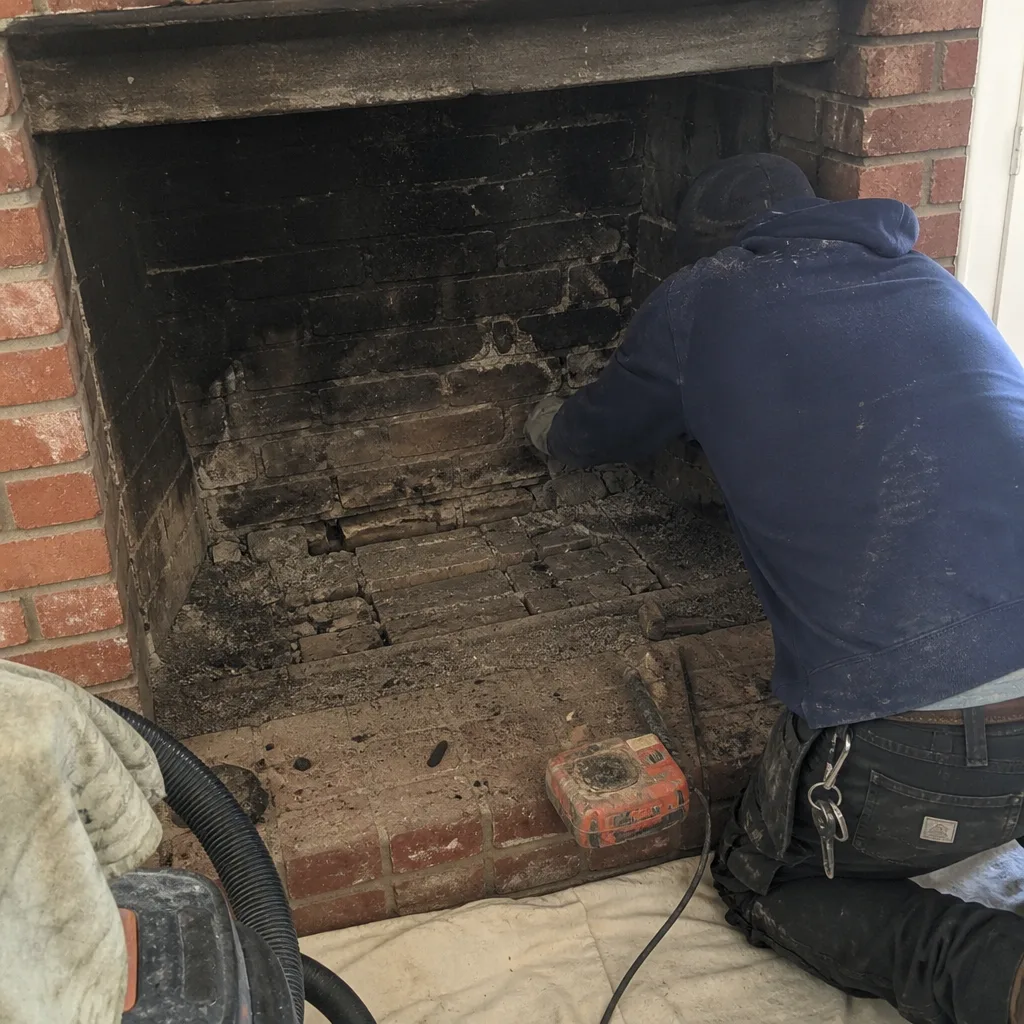 Before
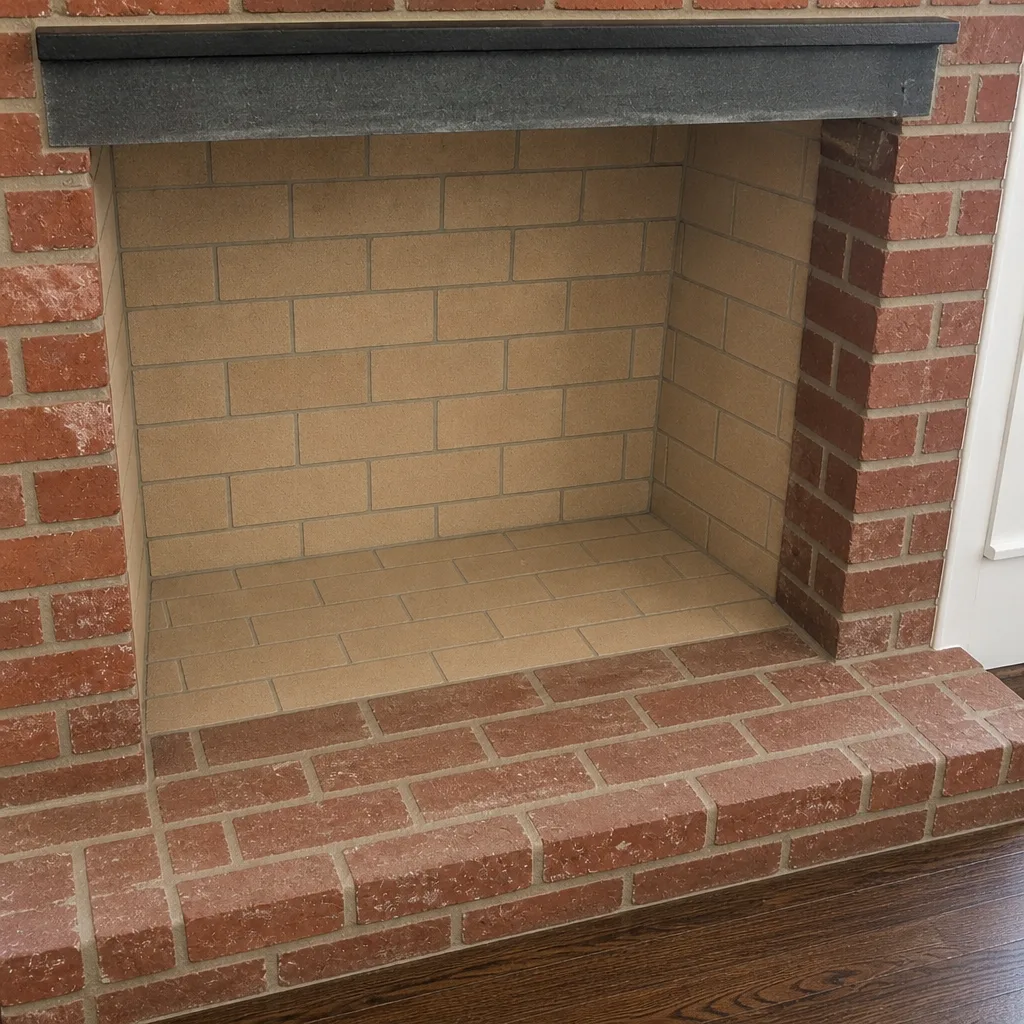 After
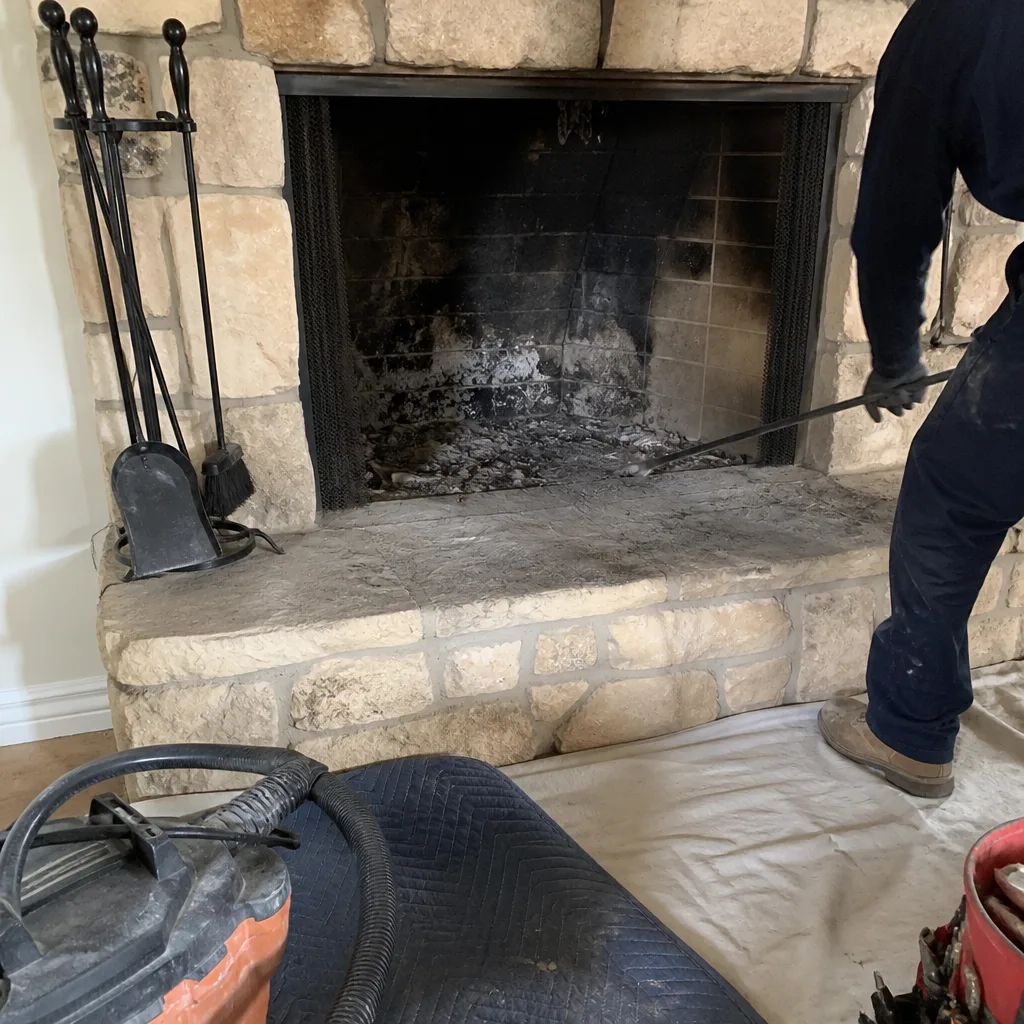 Before
 After
 Before
 After