
Last updated November 16, 2026
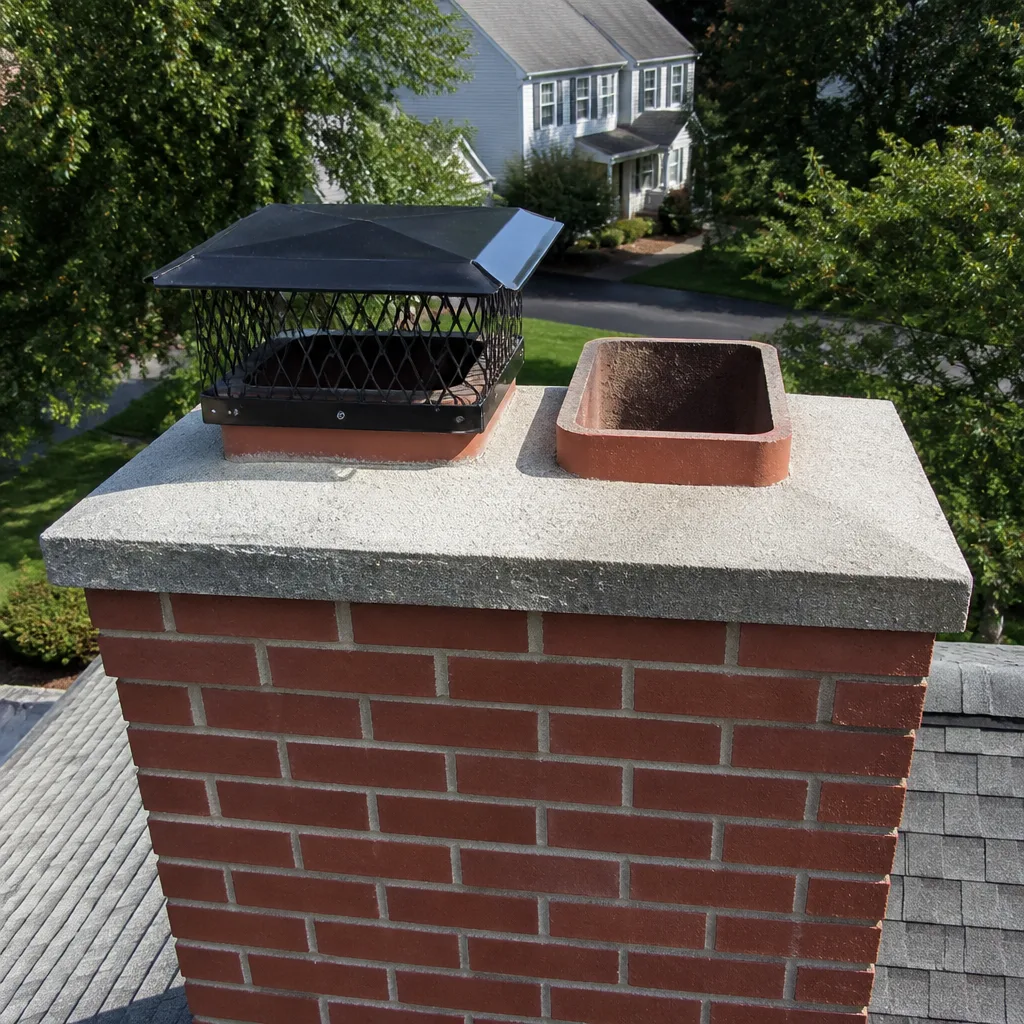 Sweep & inspection
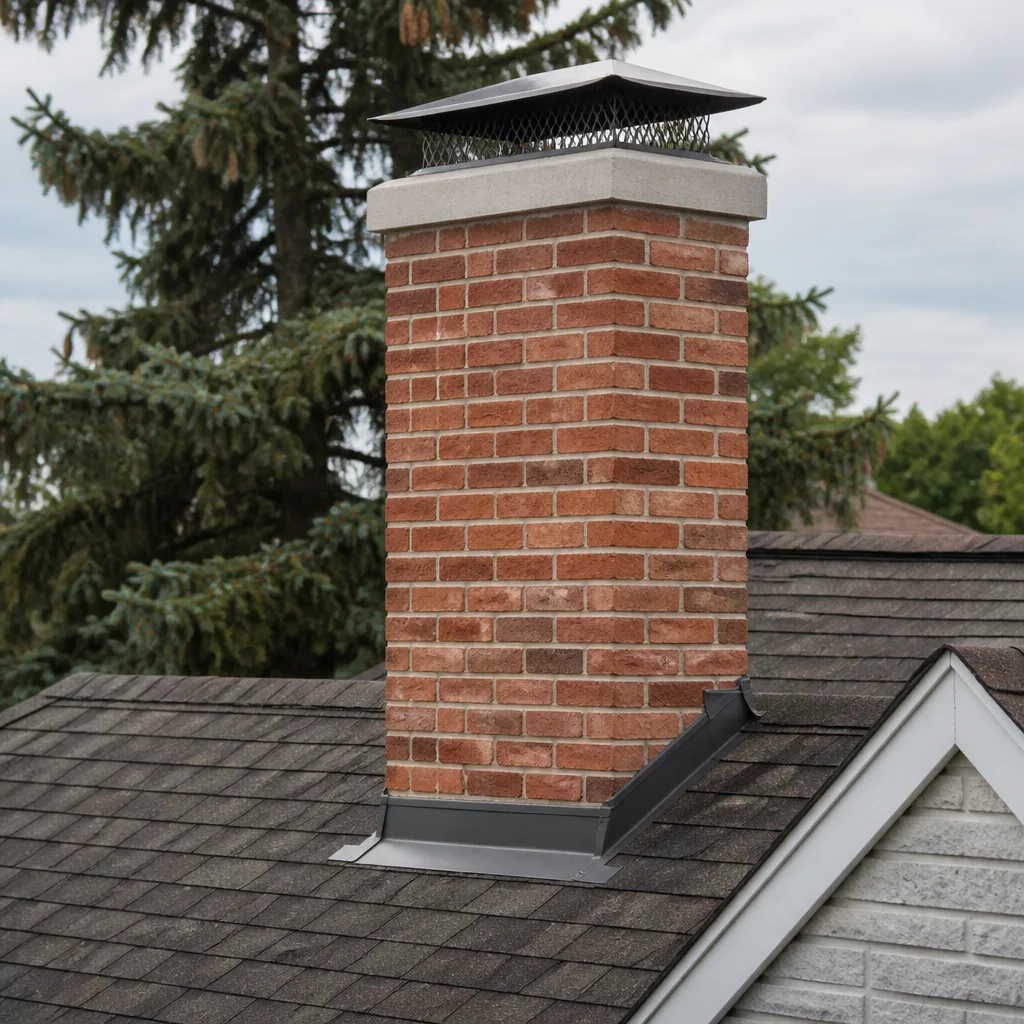 Caps & crowns
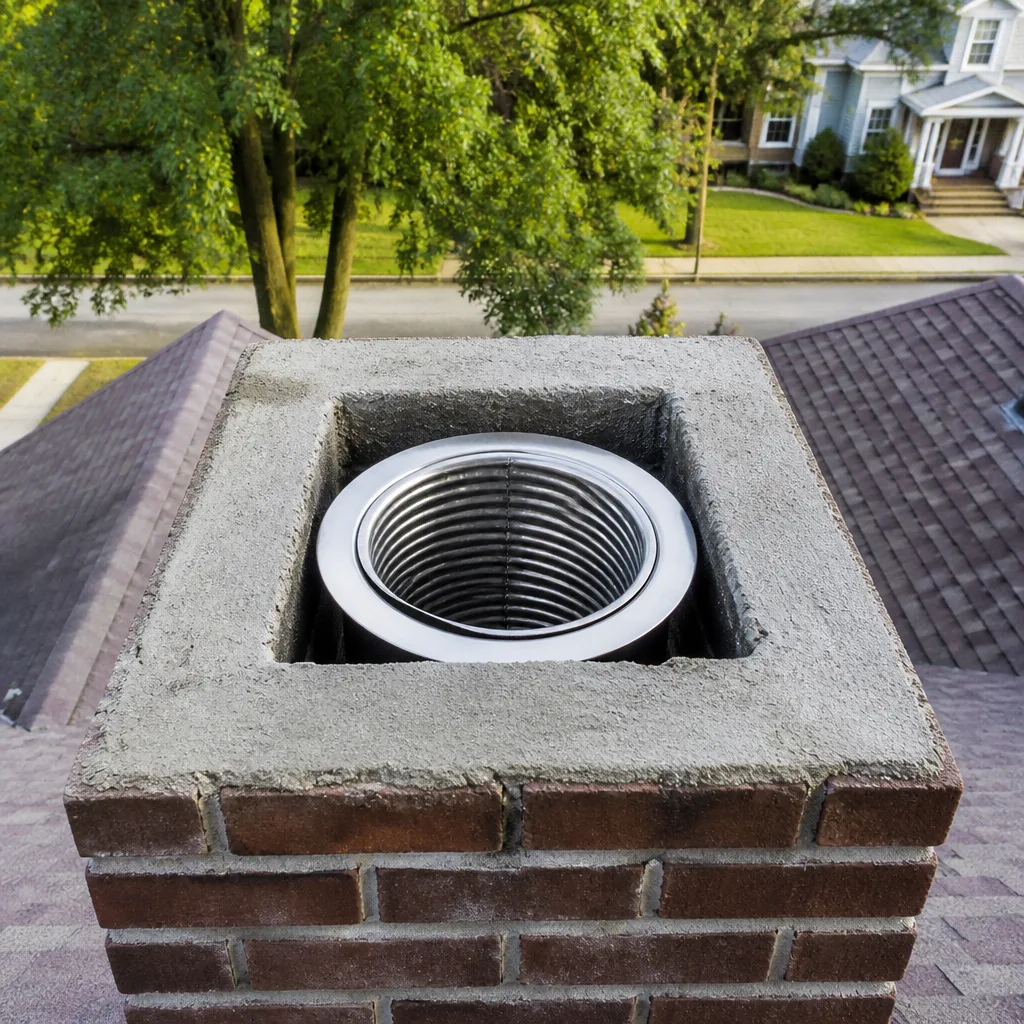 Flue relining
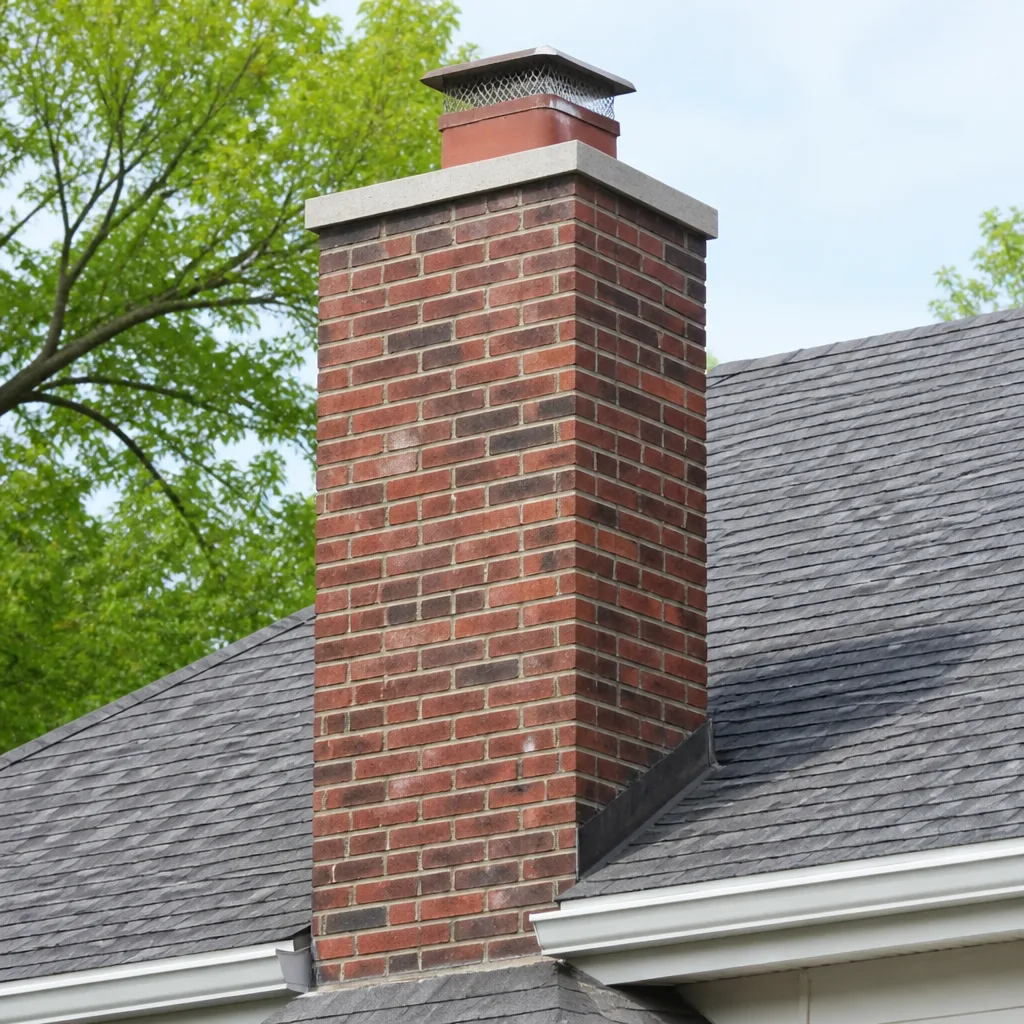 Masonry repair
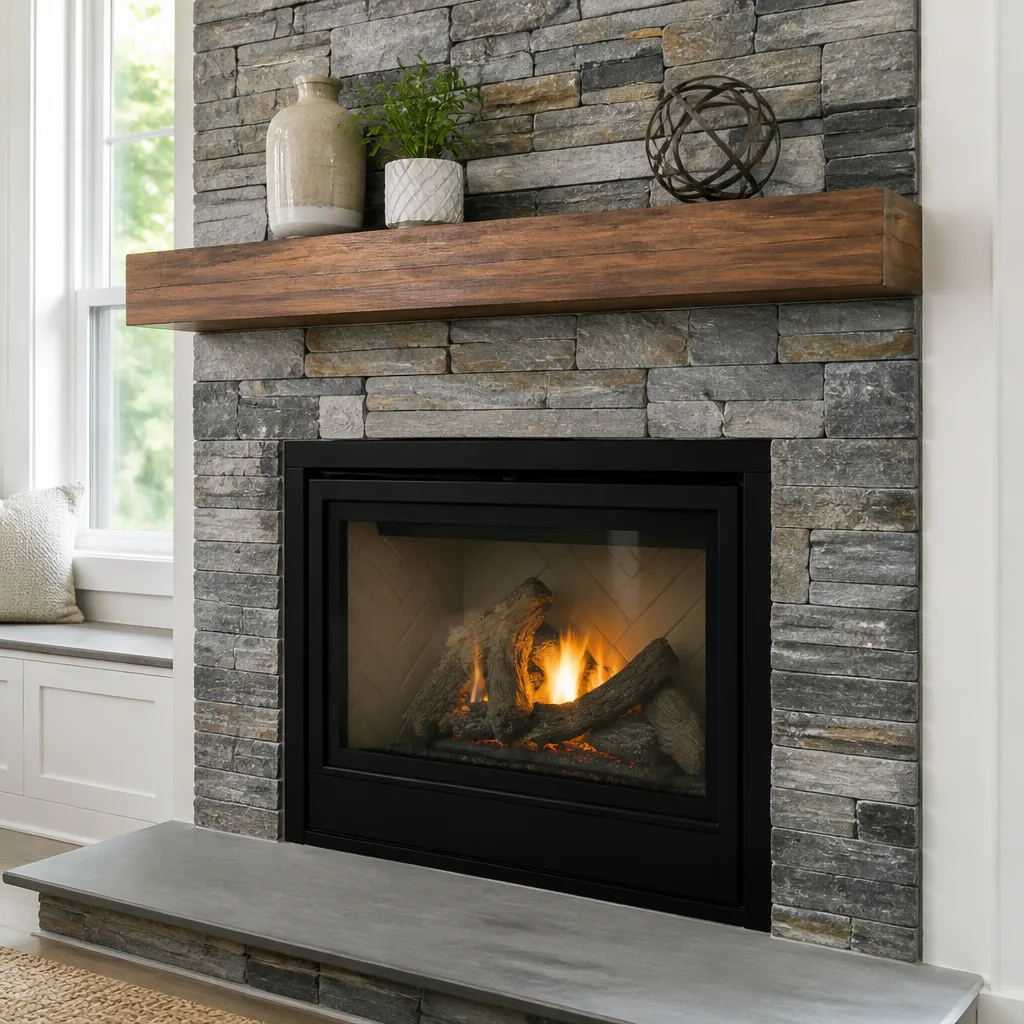 Gas fireplace service
Level 1 sweep and inspection to the NFPA 211 annual standard - flue, crown, cap, and flashing checked and photographed
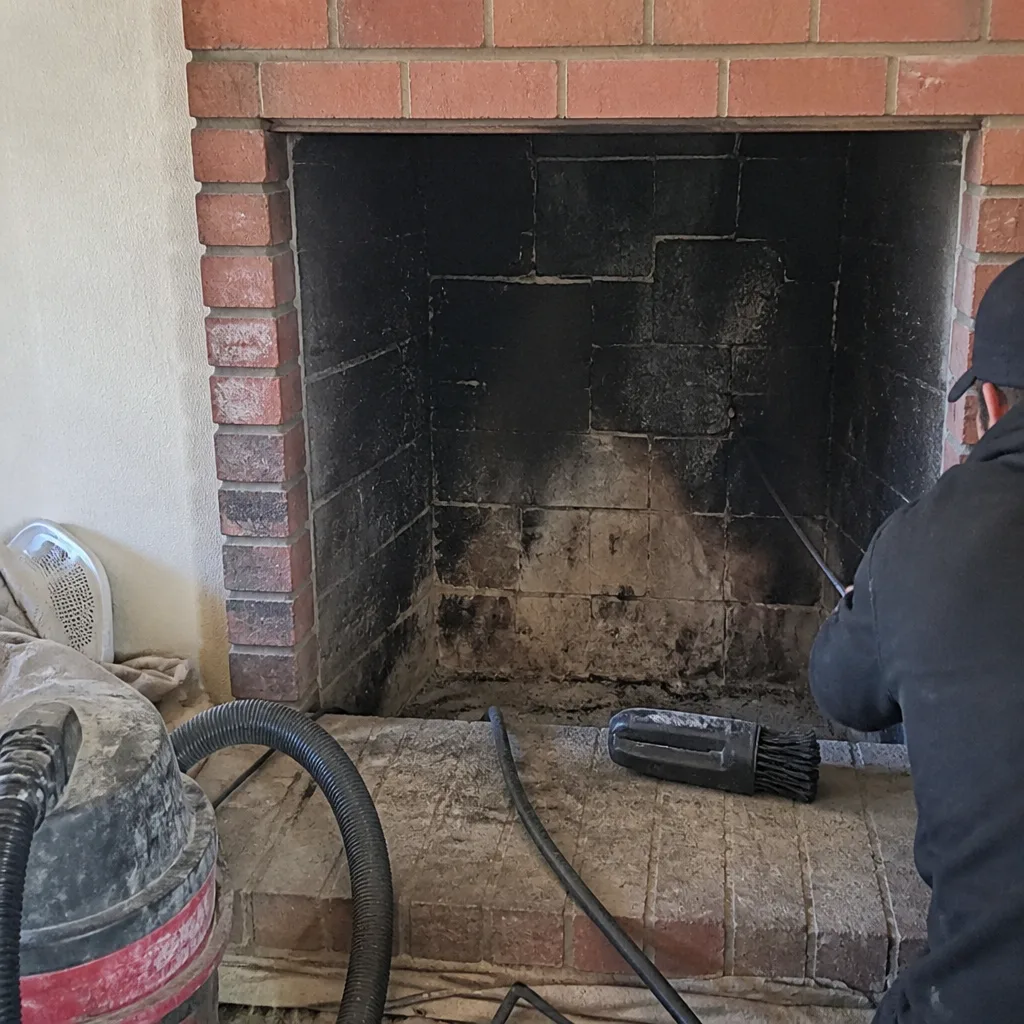
Chimney sweep logs do not sweep chimneys. They loosen some creosote - which then falls where a brush and vacuum still have to collect it.
How to Hire a Chimney Cleaning Contractor in Modesto: A Step-by-Step Guide
Type “chimney sweep Modesto” into Google and you’ll get a mix of CSIA-certified full-service chimney specialists and pressure-washing crews who added chimney cleaning to their service menu last spring. Nothing in a listing tells them apart. The logo doesn’t help. The five-star reviews don’t help. Even the website looks fine at a glance. The real difference shows up in the questions they can answer about liner materials, draft testing, and what happens when they open a flue packed with stage 2 creosote. This guide walks through how to vet a chimney contractor in Modesto on credentials and scope rather than price, and it’s built around the interview questions that separate a specialist from a generalist with a brush.
Quick Answer
Hire a Modesto chimney contractor by verifying CSIA Certified Chimney Sweep status for the cleaning and inspection work, NFI credentials when gas appliances are involved, and documented liability coverage before anyone steps on the roof. Then ask five specific questions about liner materials, draft testing, creosote removal methods, report deliverables, and post-inspection repair scope. A full-service specialist will answer all five without hesitation. A sweep-only crew will stumble on at least two.
Styles & brands we work with
- Sweep & inspection
- Caps & crowns
- Flue relining
- Masonry repair
- Gas fireplace service
Table of Contents
- Why hiring a chimney contractor in Modesto is a scope problem, not a price problem
- What CSIA and NFI credentials actually mean in practice
- The five interview questions that separate inspectors from sweepers
- How to read a chimney inspection report
- Why the lowest bid structurally skips the inspection
- What a written scope of work should include
- The full-service scope: inspection, sweeping, and repair in one visit
- Common mistakes to avoid
- When to call a professional
- Frequently asked questions
Why Hiring a Chimney Contractor in Modesto Is a Scope Problem, Not a Price Problem
The chimney in a Modesto home works harder than its owner realizes. The Central Valley’s long wood-burning season means most households run fires from late fall through early spring, and the dry summer that follows makes creosote glazing more likely than in wetter climates. Add the region’s older housing stock in neighborhoods like La Loma, College Area, and the streets around McHenry Avenue, and the odds are decent that a home has an unlined flue or a liner that’s outlived its service life. None of that is visible from the ground.
Which is why price shouldn’t be the first filter. The cost difference between a cheap sweep and a properly scoped service is usually small. The difference in what you get is large. A sweep-only technician arrives, runs a brush, bags the soot, and leaves. A full-service specialist arrives, cleans the flue, inspects it under proper lighting with a camera, documents what they found, and can quote repair work on the spot – most of which falls within their own scope because they do the repair, not just the cleaning.
When that second thing doesn’t happen, the homeowner ends up holding a receipt that says “swept” without any record of what the flue actually looks like. Then a year later, someone else finds cracks. Or worse, the next contractor won’t touch the chimney because the previous one didn’t document condition at all.
What actually varies between contractors in Modesto
- Credentialing. CSIA certification and NFI certification are different things. Some companies hold one, some hold both, and some hold neither.
- Inspection methodology. A visual check with a flashlight is not the same as a camera inspection with a written report.
- Repair capability. Sweep-only crews can’t reline or resurface a flue. When they find a defect, their only option is to refer you elsewhere.
- Materials. Professional-grade liner systems like DuraFlex and resurfacing products like HeatShield are not sold at hardware stores. Products back those repairs with manufacturer warranties that travel with the job.
What CSIA and NFI Credentials Actually Mean in Practice
The CSIA Certified Chimney Sweep credential is issued by the Chimney Safety Institute of America. It’s not a membership – it requires passing an exam on chimney construction, venting, codes, and safety, and it requires periodic recertification. In practice, a CSIA-certified sweep has been tested on the things that matter for a wood-burning chimney: how draft works, how flue sizing affects performance, and what an unlined or damaged flue actually looks like inside. When you see that credential displayed, you’re looking at a technical baseline the average handyman doesn’t have.
The NFI (National Fireplace Institute) credential is different, and it’s the one homeowners ask about less often. NFI certification is about installation and venting of specific appliance types – wood, gas, and pellet. It matters most when your Modesto home has a gas-burning appliance vented through the chimney: a gas log set, a gas insert, or a furnace flue. Gas venting has its own rules, and a contractor who only works on wood-burning fireplaces may not be the right person to evaluate a gas venting problem.
Which credential matters for which job
- Annual wood-burning chimney sweeping: CSIA credential is the standard.
- Chimney inspection (Level 1, 2, or 3): CSIA credential, plus documented inspection training.
- Gas appliance venting evaluation: NFI gas credential in addition to the CSIA baseline.
- Liner installation and flue resurfacing: CSIA credential plus proof of manufacturer authorization on the specific products being installed (DuraFlex, HeatShield, and so on).
One more credential to check: liability insurance. Ask for the certificate of insurance – not a verbal “we’re insured.” A chimney contractor who works on roofs and installs liners without coverage is passing that risk to you. In our experience, the contractors most confident in their coverage are the ones who send the certificate without being asked twice.
The Five Interview Questions That Separate Inspectors from Sweepers
Before you book, get a contractor on the phone and ask these five questions. The answers are more useful than any review score.
- “What liner materials do you install when a flue needs relining?” A full-service contractor will name specific products and can explain when one is used over another – flexible stainless systems like DuraFlex for existing masonry flues, cast-in-place or spray-applied options for irregular applications, and so on. If the answer is “we don’t reline, we refer out,” you know you’re talking to a sweep-only company. That’s not disqualifying, but it means you’ll need a second contractor for any repair the cleaning uncovers.
- “Do you draft test as part of the inspection?” Draft testing – checking airflow through the flue under actual operating conditions – is the check that catches the chimney that looks clean but still smokes into the room. A contractor who skips it is skipping a real part of the inspection.
- “What do you do when you find stage 2 or stage 3 creosote?” Stage 1 is powdery and brush-clears easily. Stage 2 is glossy and harder to remove. Stage 3 is a baked-on glaze that a brush won’t touch. A capable contractor has a specific method (chemical treatment, rotary equipment, or both) and knows when a reline or resurfacing is the safer answer. A contractor who says “we scrape it off” hasn’t thought about it much.
- “What does the inspection report include?” Look for a written report with photo documentation, not a verbal summary. Photos matter because they let you see the same thing the technician saw. Anything less and you’re trusting a stranger’s description of your own chimney.
- “Do you do the repair work yourselves or refer it out?” Full-service contractors handle sweeping, inspection, and repair in the same visit when the work falls in scope. That matters for chimney repair because it removes a handoff that usually costs the homeowner weeks and a second estimate.
We’ve seen plenty of Modesto homeowners call us after a “sweep” because the crew couldn’t do anything else. The cleaning itself was fine. The problem was that nobody on the job knew what to do about the cracking in the flue once the brush cleared it.
How to Read a Chimney Inspection Report
A chimney inspection report should answer three questions in writing: what is the condition of the flue, what is the condition of the exterior structure and cap, and what needs attention now versus what can wait. A report that doesn’t answer all three is a receipt, not an inspection.
Line items that signal a thorough contractor
- Flue interior conditioned with photos. The report should reference what the camera saw – cracks, spalling, gaps in joints, missing mortar, improper previous repairs – and show the images.
- Creosote level noted by stage. Stage 1, 2, or 3, with a note about how it was addressed. Skipping the stage classification is a sign the technician didn’t look closely.
- Draft performance noted. Either “draft verified” or the specific issue found (weak draft, downdraft, no draft at all).
- Exterior condition noted. Crown, cap, flashing, and masonry condition on the outside of the chimney, separate from the interior.
- Appliances listed. Which appliance(s) vent into the chimney – wood fireplace, insert, gas appliance, furnace – is basic information that determines what “correct” looks like.
Line items that signal a contractor dodging liability
- Anything phrased as “appears” without a photo. “Flue appears intact” isn’t an inspection. It’s a disclaimer.
- No draft test noted. If the technician can’t say whether the chimney drafts properly, they’ve only cleaned it.
- Recommendations without a condition reference. “Recommend relining” without “because we saw X” is either upselling or guessing.
- No report at all. This happens more than it should. A verbal summary is worth what you paid for it.
Ask your contractor for a sample report before you book. A company proud of its inspection process will send one without any fuss. A company that won’t is telling you something.
Why the Lowest Bid Structurally Skips the Inspection
The cheapest chimney cleaning bids in Modesto are cheap for a reason: they’ve removed the inspection component. That’s not a knock on the person doing the work – it’s a structural fact about how the price is built. A full inspection with camera documentation, draft testing, and a written report takes longer and uses more equipment than a basic brush-and-vacuum. When a crew prices below what that work actually costs, the inspection was never on the schedule.
The cost risk is that you end up paying twice for information you should have had the first time. Consider two scenarios:
- Scenario A – Sweep-only. You pay for a cleaning. The technician clears creosote and leaves. Six months later the chimney smokes into the room and you call a specialist. The specialist runs an inspection and finds a cracked flue tile or failed liner joint that’s been there for years. Now you’re paying for the inspection you should have had, plus the repair, plus possibly a second diagnostic visit to confirm scope.
- Scenario B – Full-service sweep. You pay somewhat more. The technician cleans, inspects, documents, and hands you a report with photos. If nothing needs repair, you have a record of the condition. If something does, you have the evidence to make a decision and can book the repair before it gets worse.
The gap in what you pay up front is usually less than the cost of a diagnostic visit later. The bigger issue is what gets missed. In our experience, homeowners calling us after a cheap sweep are the ones who most often have a chimney safety problem the previous contractor didn’t catch because they weren’t looking.
What a Written Scope of Work Should Include
Before anyone touches your chimney, you should have a written scope of work. Not a text confirmation. Not a verbal “we’ll sweep and inspect it.” A document that says exactly what will happen, how, and what you’ll receive when it’s done.
Elements of a proper chimney cleaning scope
- Methods. How the flue will be cleaned (hand brush, rotary, chemical treatment for higher-stage creosote) and what happens with the soot (industrial vacuum with HEPA filtration, not a shop vac).
- Access points. Where the technician will enter from the roof or from the firebox, and whether the firebox will be opened or sealed for protection.
- Interior protection. Drop cloths, corner guards, shoe covers, and how the workspace will be protected from soot tracking through the house.
- Inspection scope. What the inspection actually covers – the flue, the firebox, the damper, the smoke chamber, the crown, cap, and flashing. Be explicit about the difference between a Level 1 visual and a Level 2 camera inspection.
- Report deliverables. Whether you’ll receive a written report, photos, video, and any recommendations. Get the format in writing.
- Repair scope. What happens if the inspection finds something. Does the company quote repair on the spot, refer out, or hand you a list to think about?
- Payment terms and estimate. Flat-price scope agreed before booking, with a written estimate that sets the final price. Ask what happens if the scope changes mid-job.
A scope that covers all seven is unusual. But it shouldn’t be. It’s the difference between hiring someone to do a job and hiring someone to do the right job.
The Full-Service Scope: Inspection, Sweeping, and Repair in One Visit
Here’s the practical case for hiring a full-service chimney contractor instead of a sweep-only crew: the scope of repair work that a chimney inspection can uncover is exactly the scope of repair work that a sweep-only company can’t perform. Two capabilities, two contractors, two visits, two price quotes – and the second contractor is only there because the first one found something they couldn’t fix.
A full-service scope bundles sweeping, inspection, and repair together because they belong together. At Modesto Chimney Sweep, three services cover that lifecycle:
- Chimney sweeping – flue cleaning with proper containment and documentation.
- Chimney inspection – camera inspection with a written photo report. We inspect before we sweep, because cleaning a damaged flue without fixing it first is a safety risk, not a service.
- Chimney repair – relining with DuraFlex flexible liner systems, and flue resurfacing using HeatShield. HeatShield is a factory-engineered flue repair product that restores compromised liners without a full rebuild, and it carries its own manufacturer warranty. DuraFlex is a professional-grade relining system that most sweep-only companies can’t offer because they don’t stock or install it.
Component sourcing matters too. We install from Copperfield, Olympia Chimney, Gelco, and Famco – brands specified by chimney industry professionals nationwide. Caps and covers from Gelco and Famco keep the flue weather-tight and stop the small leaks and animal intrusions that turn into larger repairs. When a repair is completed with manufacturer-backed materials, the product warranty travels with it.
That’s the full-service version of hiring a chimney contractor. One crew. Inspection, cleaning, and repair – start to finish.
Common Mistakes to Avoid
- Hiring on price alone. The lowest bid almost always means the inspection was cut. You’ll pay more later to recover the information you should have had on the first visit.
- Skipping the credential check. Ask for the CSIA credential number and the certificate of insurance before booking. A contractor who deflects either is telling you something worth hearing.
- Accepting a verbal inspection summary. No written report, no photos, no proof. In Modesto, where older housing stock and mixed masonry conditions are common, a verbal “looks fine” is worse than useless because it closes the door on a real inspection.
- Ignoring gas appliance venting. If your gas log set, insert, or furnace vents through the chimney, the chimney inspection needs to cover gas venting rules. A wood-only inspection doesn’t.
- Letting a sweep-only crew find a defect and then booking a separate repair contractor. The two estimates rarely reconcile, and the second contractor will want to re-inspect what the first one already documented. One contractor who handles both is simpler.
- Leaving the cap off after a repair. A missing or damaged cap lets in rain, birds, and debris that undoes the work inside. Cap installation is part of a complete repair, not an add-on.
- Waiting until the chimney is visibly failing. Smoke into the room, soot on the mantel, and creosote on the exterior are all signs that something was missed earlier. By the time the symptoms show up, the repair scope has usually grown.
When to Call a Professional
Call a professional chimney contractor when any of the following applies:
- You’ve burned wood through at least one full season without a cleaning or inspection.
- Smoke or soot backs into the room when you light a fire.
- You smell creosote or a tar-like odor in the living space, especially during warm weather.
- You see cracked or missing masonry on the chimney exterior, or the crown has spalling.
- You’re buying or selling a home and need a chimney inspection on record.
- You have a gas appliance or furnace venting through the chimney and it hasn’t been evaluated.
- A previous contractor couldn’t quote repair work after finding a defect.
Modesto Chimney Sweep offers free estimates in Modesto – call (855) 360-6515. Our technicians have up to 9 years of experience, and every written estimate sets the final price. Nothing gets recommended without camera evidence you can see for yourself, and we’ll tell you plainly when a repair can safely wait.
Frequently Asked Questions
A chimney sweep in Modesto typically depends on the scope of the service, and the written estimate sets the final price. Cleaning alone costs less than cleaning plus inspection plus a written report. Prices vary based on flue condition, how much creosote has accumulated, and whether the chimney interior needs more than routine cleaning. Call (855) 360-6515 for a free estimate – we’ll quote it in writing before booking.
Not always – and no one should ever recommend a liner without camera evidence you can see yourself. A new liner is appropriate when the flue has cracks, gaps, missing mortar joints, or improper previous repairs that a professional-grade relining system (like DuraFlex) can resolve. When the flue is intact, it doesn’t need relining. HeatShield flue resurfacing is a middle option for liners that are compromised but not failing – a factory-engineered repair that restores the existing liner without a full rebuild.
Most wood-burning chimneys in Modesto should be swept and inspected annually, which for most households means once a year before burning season. Homes that burn more frequently – or burn unseasoned wood – may need more frequent service. Gas appliances vented through the chimney need periodic inspection but not the same cleaning cadence as a fireplace. Ask your contractor to recommend a cadence based on what the inspection actually shows.
Creosote accumulates in the flue and, over time, can ignite under the right conditions. That’s a chimney fire risk, and it’s the main reason annual cleaning matters. The second concern is carbon monoxide: a blocked or damaged flue can let combustion gases back into the living space instead of venting them safely. Neither risk requires drama to explain – the point is that skipping service removes the one check that catches problems before they become emergencies.
A chimney sweep cleans the flue. An inspection evaluates its condition. They’re related but separate services: a sweep without an inspection tells you the chimney is cleaner, not whether it’s safe. A full-service contractor does both in the same visit, with a written report you keep for your records. If you’re booking a sweep, ask whether inspection is included in the scope.
A CSIA Certified Chimney Sweep credential isn’t a legal requirement, but it’s the most reliable baseline for verifying technical skill in this trade. The exam covers chimney construction, venting, codes, and safety – areas the average handyman hasn’t studied. When a contractor holds the credential, you’re working with someone tested on what a proper inspection and cleaning actually involve. Ask for it, and ask for the certificate of insurance alongside it.
The Bottom Line
Hiring a chimney contractor in Modesto is a credentialing and scope problem. Verify the CSIA certification, ask for the certificate of insurance, and run the five interview questions about liner materials, draft testing, creosote stages, report deliverables, and repair scope. A full-service specialist answers all five. A sweep-only crew does not. Then read the written scope of work before you book, and never accept a verbal inspection summary in place of a written report with photos. The company you really want is the one that inspects, cleans, and can repair – because that’s the company that can fix what it finds in the same season, not three months later after you’ve made two more calls.
If you’re ready to book a cleaning, inspection, or repair, we’re here. Call (855) 360-6515 for a free estimate. We answer 24/7. Fast dispatch from 7am to 7pm, Sunday through Friday. Every estimate is written, every inspection report includes photos, and nothing gets recommended without evidence you can see.
Written by the team at Modesto Chimney Sweep.
See the difference
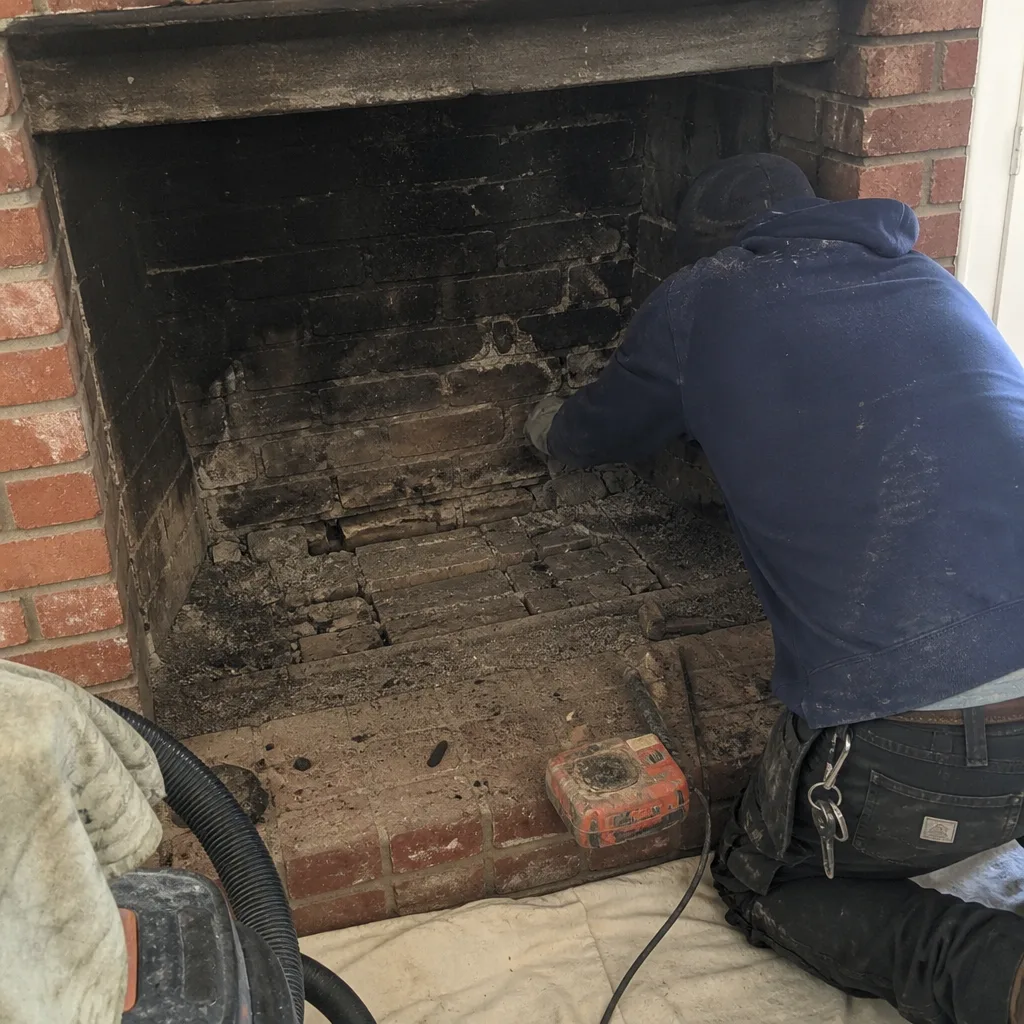 Before
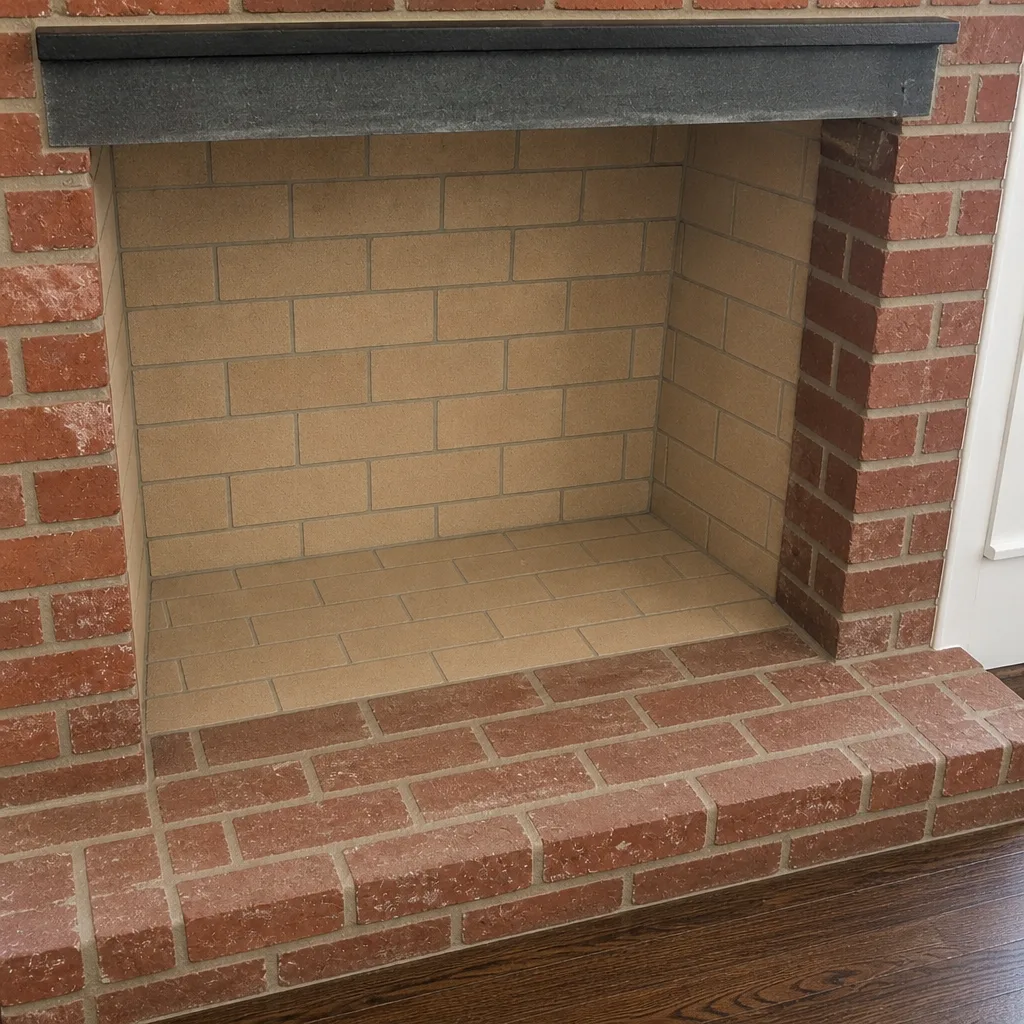 After
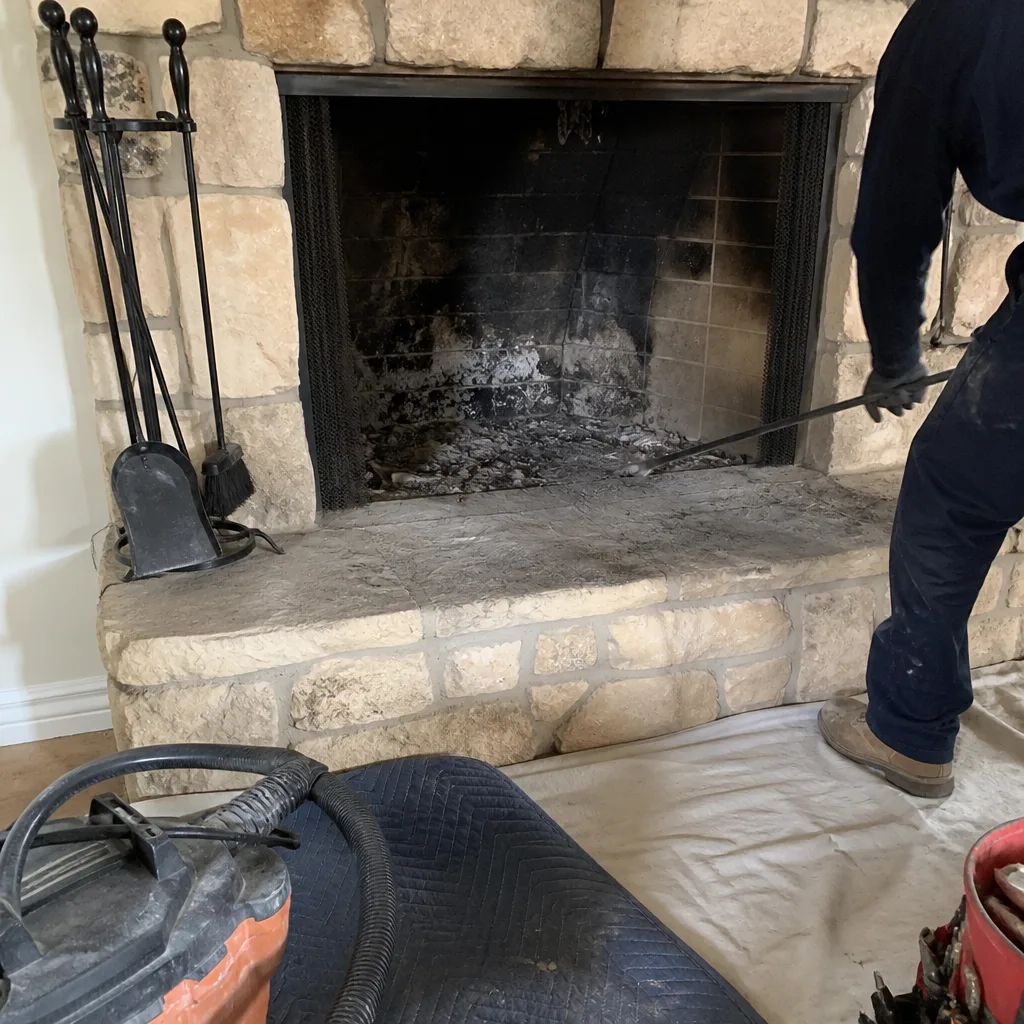 Before
 After
 Before
 After